


Niger Delta Positioned as a Hub for Agricultural Innovation
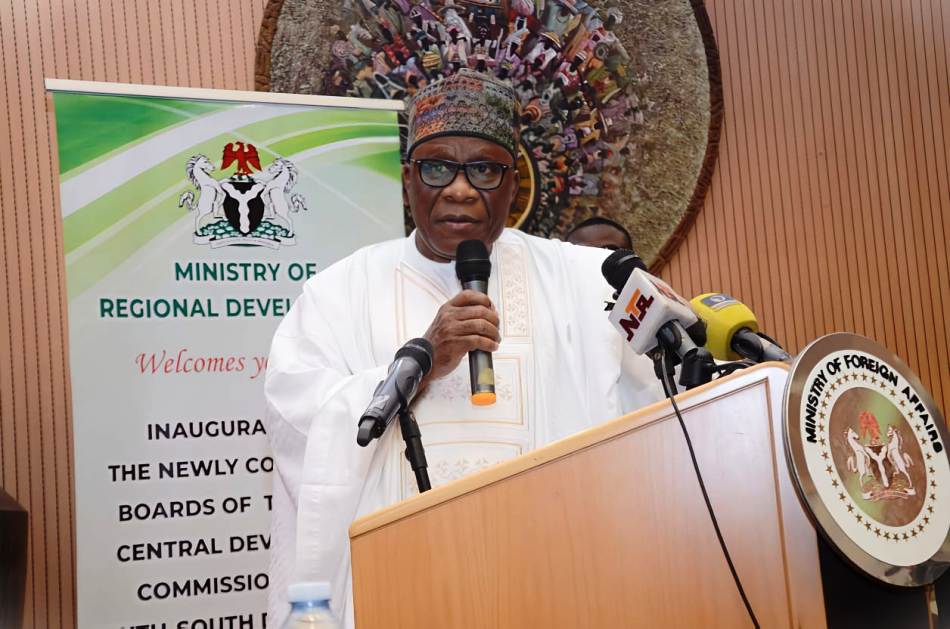
The Minister of Regional Development and Engineering, Abubakar Momoh, underscored the potential of the Niger Delta to become a cornerstone of Nigeria’s food security and economic transformation. Speaking at the Niger Delta Agricultural Development and Investment Summit in Abuja, he invited investors to explore the region’s vast opportunities in modern agriculture beyond its well-known oil resources.
Summit Launches Agricultural Development Fund
The summit, hosted by the Office of the Vice President and the Niger Delta Development Commission (NDDC) alongside the governors of nine Niger Delta states, focused on “Unlocking Investment for Sustainable Agricultural Transformation in the Niger Delta.” The event attracted government officials, development partners, traditional leaders, and investors, setting a new course for agricultural advancement in the region. Notably, Vice President Kassim Shettima officially launched the Niger Delta Agricultural Development and Investment Fund and established a Coordinating Council dedicated to promoting agricultural development and investment.
Call for Investment in Mechanized Agriculture
In his remarks, Minister Momoh encouraged investors to see the Niger Delta not merely as an oil-producing area but as a strategic agricultural frontier. He emphasized that the region possesses the capability to ensure Nigeria’s food security through mechanized and innovative farming practices. He added that the future of agriculture hinges on modern techniques, aligning with President Bola Tinubu’s New Hope Agenda that aims to integrate agriculture into Nigeria’s economic development framework.
Vice President Advocates for Agricultural Resilience
Vice President Shettima highlighted the Agricultural Development and Investment Fund as a crucial component of President Tinubu’s vision for revitalizing the agricultural sector. He reiterated the importance of returning to agricultural roots for sustainable development. With the Niger Delta’s fertile lands and rich natural resources, he stressed that increased investment in agriculture could significantly bolster food security and promote inclusive economic growth.
NDDC’s Commitment to Agricultural Growth
Chiedu Ebiye, Chairman of the NDDC Board, reaffirmed the commission’s dedication to aligning with federal agricultural policies aimed at leveraging the Niger Delta’s natural resources for economic advancement. Ebiye outlined how these efforts could accelerate the administration’s broader development objectives, including food security, poverty alleviation, and job creation.
Transforming Perceptions of Agriculture in the Region
During his address, Dr. Samuel Ogbuku, Executive Director of the NDDC, reiterated the commission’s commitment to transforming the Niger Delta into a vibrant agricultural hub. He argued that agriculture offers a more sustainable pathway for inclusive growth, urging stakeholders to unlock the region’s substantial agricultural potential. Highlighting strategic infrastructure developments, Ogbuku indicated ongoing projects like the Kaa-Ataba Bridge that would improve access for farmers and agricultural markets.
Security Concerns Impacting Agricultural Growth
Despite the optimism surrounding the summit’s initiatives, concerns persist regarding security challenges in various rural areas across the Niger Delta. Reports of kidnappings and attacks by armed herdsmen have heightened fears among local farmers, who assert that genuine agricultural transformation relies heavily on improved security conditions. For these farmers, the promise of enhanced investment and mechanization can only be realized when they feel safe cultivating their land, allowing the region’s agricultural resources to contribute significantly to Nigeria’s food security and economic diversification.
