


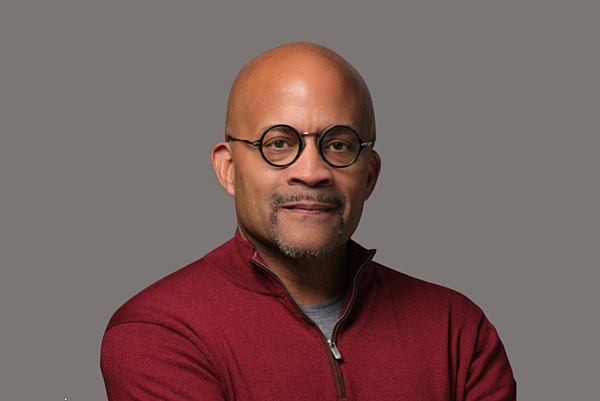
Microsoft’s Daryl Willis to Speak at Africa Energy Week 2026
Daryl Willis, Corporate Vice President for Energy & Resources Industries at Microsoft, is set to address the 2026 Africa Energy Week (AEW) conference and exhibition. Widely regarded as a leading authority on the intersection of artificial intelligence (AI), cloud computing, and energy infrastructure, Willis’s participation underscores a significant trend in utilizing AI-driven digital infrastructure as a catalyst for enhancing power generation, grid expansion, and energy investment across Africa.
A Major Energy Gathering in Cape Town
Scheduled for October 12 to 16, AEW 2026 is poised to be the continent’s largest energy gathering. The event will unite government leaders, operators, financiers, technology companies, and service providers, all aiming to boost investment in Africa’s oil, gas, and broader energy sectors.
Willis’s Vision for Africa’s Energy Future
Previously the CEO of BP Angola, Willis now directs Microsoft’s global strategy in the energy and resources industry. His work focuses on aiding utilities, oil and gas operators, mining companies, and governments in leveraging cloud technology and AI to enhance operational efficiencies and lay the groundwork for the digital economy of the future. His role highlights the understanding that Africa’s energy landscape will evolve through a dual focus on resource development and the expansion of digital infrastructure.
AI Infrastructure as a Catalyst for Investment
A core component of Microsoft’s strategy is the synergy between AI infrastructure and power investment. Instead of seeing hyperscale data centers as merely adding strain to an already stretched power system, the company advocates for a model that instills commercial certainty among large, reliable power consumers. This approach is expected to facilitate funding for new generation capabilities, enhancement of transmission infrastructure, and modernization of the grid, thereby attracting investments in renewable energy and stable generation capacity.
Building Community-Centric AI Infrastructure
Willis has also been a proponent of creating AI infrastructure in collaboration with local communities, optimizing computing efficiency through metrics like tokens per watt, and extending Microsoft’s infrastructure beyond traditional markets. This strategy aligns with Africa’s pressing need for resilient power systems that can bolster both industrial development and the growth of the digital economy.
Investment Initiatives and Infrastructure Expansion
Recently, Microsoft announced a $2.5 billion Frontier Company initiative aimed at aiding organizations in the scalable deployment of AI through specialized engineering and industry know-how. The tech giant continues to broaden its digital influence across Africa through significant investments in cloud infrastructure, AI capability development, and regional data centers, including additional projects planned for South Africa and other key locations on the continent.
Renewable Energy Demand and Collaborative Opportunities
The burgeoning demand for electricity from data centers is expected to accelerate investments in renewable energy generation, battery energy storage systems, gas-fired power generation, and transmission infrastructure. This trend presents new opportunities for independent power producers, utilities, and infrastructure investors. By fostering closer collaboration between technology firms and energy developers, both digital transformation and universal electrification goals are becoming more attainable for governments across the continent.
As NJ Ayuk, Executive Chairman of the African Energy Chamber, notes, artificial intelligence is ushering in a new category of energy demand. Africa is uniquely positioned to leverage this demand into sustainable investments in power generation, transmission, and digital infrastructure. With Daryl Willis bringing a rare combination of expertise from both the energy and global technology sectors, his participation promises to influence vital discussions about developing resilient energy systems that support industrial growth and an AI-driven economy.
