


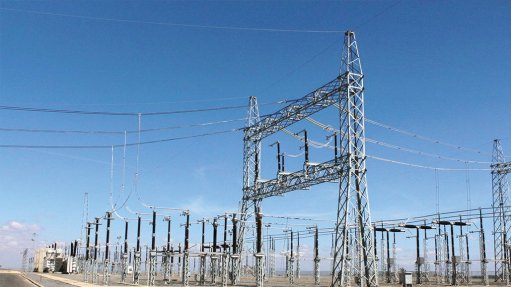
The Intersection of Power and Economic Growth in Africa
The challenge of energy in Africa extends beyond mere infrastructure; it is fundamentally intertwined with economic development. Reliable, affordable, and sustainable energy is essential for industrial growth on the continent. Without energy security, nations cannot hope to compete effectively in global markets.
Renewables as a Catalyst for Industrial Transformation
Relying on renewable energy sources presents a significant opportunity for Africa to transition from exporting raw materials to developing a robust manufacturing sector. Karin Rees Heimborough, program manager for energy efficiency and sustainable livelihoods at the United Nations Industrial Development Organization (UNIDO), highlighted the importance of understanding and aggregating industrial energy demand as a means to attract investment in energy systems. This strategy could also foster markets for local manufacturers and suppliers, positioning Africa as a participant in global supply and value chains.
Capitalize on Abundant Resources
The continent is well-equipped with renewable resources and critical minerals necessary for the global energy transition. Africa exports its natural resources while importing technology, which presents a unique opportunity to build local industries. As Rees Heimborough noted, the increasing demand for solar energy, electric mobility, and energy-efficient appliances is not just a trend but a powerful engine for local development and industrialization.
The Role of Innovation in Industrialization
Countries best positioned to thrive in the energy transition are those that prioritize innovation and competitive manufacturing practices, rather than simply relying on resource wealth. By investing in technology and developing local skills, nations can capture greater value from their resources. A collaborative approach under the African Continental Free Trade Area can enable countries to specialize effectively, achieving economies of scale and better integration into global supply chains.
Developing Industrial Corridors for Growth
Duncan Bonnet, director of market access and research at Africa House, noted that industrial development is on the rise in Africa, with initiatives like the Lobito Corridor project linking Angola with the Democratic Republic of the Congo (DRC) and Zambia. Initially constructed to facilitate mineral transport, this corridor offers significant opportunities for industrial growth, enabling the creation of regional value chains and reducing market access costs.
Building Sustainable Industrial Hubs
While corridors present opportunities, Rees Heimborough emphasized that they must be complemented by the establishment of industrial hubs. UNIDO is actively launching initiatives to transform industrial zones into sustainable centers that leverage renewable energy along vital trade routes. These hubs aim to foster innovation and collaboration among local companies, potentially leading to the development of future-oriented industrial systems, including clean energy technologies.
Ensuring Resource Utilization for Local Industries
Former president of the Zambia Manufacturers Association, Ashu Sagar, pointed out that equitable access to resources remains a hurdle for industrialization. For instance, local wire producers must purchase copper at international prices, undermining the competitive advantage of domestic mining. By reserving a portion of mined minerals for local industries, countries can enhance skill development and create markets for value-added products, ultimately retaining more economic benefits at home.
Adopting an ‘Africa First’ Strategy
To fully harness its potential, Africa should adopt an ‘Africa First’ mindset. This approach emphasizes regional collaborations, such as cross-border special economic zones that allow countries to leverage their unique resources for collective gains. Addressing the disparate policies that currently result in exporting raw materials for external processing is crucial for fostering local job creation and economic growth.
