


Concerns Rise Over Arrest of Chinese Human Rights Lawyer in the U.S.
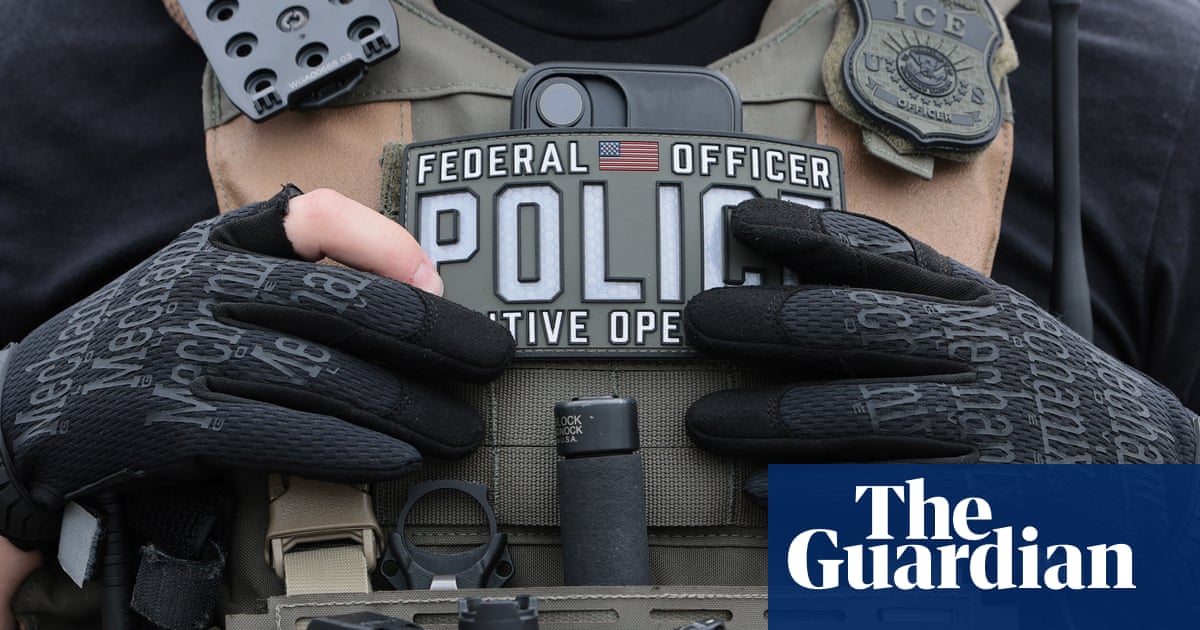
A Chinese human rights lawyer has been apprehended by U.S. Immigration and Customs Enforcement (ICE), sparking fears of potential deportation back to China, where he could face severe persecution.
Background of Wu Shaoping’s Asylum Claim
Wu Shaoping fled China at the end of 2019 amid escalating repression of human rights attorneys in the country. Upon arriving in the U.S. on a tourist visa, he sought asylum in 2020 and is still awaiting a decision on his case.
Work Experience in the U.S. Amid Ongoing Advocacy
During his time in the United States, Wu found employment as an Amazon delivery worker while continuing to engage with China’s beleaguered human rights community.
Incident Leading to Arrest
On Wednesday, Wu was approached by ICE agents while making a delivery in Mount Holly Springs, Pennsylvania. According to a report from his friend Shi Minglei, who was in contact with Wu during his detention, the agents requested proof of citizenship. Wu presented documentation indicating his pending asylum claim and confirmed that his entry into the U.S. was lawful.
Detention and Human Rights Concerns
Despite providing this documentation, ICE agents took Wu into custody and transported him to a detention center in Pennsylvania. Requests for comment from ICE and the Department of Homeland Security went unanswered after U.S. business hours.
International Implications for Human Rights Advocates
Human rights organizations have also raised alarms regarding Chinese investigative journalist Bai Zhaodong, who is currently detained in Thailand. This week, China’s Foreign Ministry confirmed it submitted an extradition request for Bai, accusing him of extortion and bribery related to non-official activities.
Wu’s Legal Career and Commitment to Human Rights
Wu began his professional life as a commercial lawyer before becoming involved with human rights advocacy in the 2010s as a network of academics, lawyers, and activists emerged to push for political and legal reform. He handled sensitive cases that involved religious minorities and political dissidents, a line of work that has often led to intimidation and harassment of legal professionals in China.
Responses and Reactions to the Arrest
Wu’s wife, Li Caoliu, shared that he desired for the Chinese people to experience freedom and democracy, opposing the oppressive nature of China’s authoritarian regime. Following his participation in a human rights defenders meeting in Xiamen in December 2019, Wu fled China as several attendees, including prominent lawyers Ding Jiaxi and Xu Zhiyong, were subsequently arrested during a significant crackdown. Both are still imprisoned on charges of subverting state power.
Impact on the Community of Displaced Activists
Zhou Fengxao, a leader from the 1989 Tiananmen Square protests now residing in the U.S., noted that Wu’s arrest has instilled fear among fellow activists who have escaped the clutches of the Chinese Communist Party seeking safety in the United States. Shi, who spoke with Wu while he was detained, expressed optimism regarding his friend’s asylum application but also frustration, believing his arrest was unjust. Wu’s immigration hearing is set for July 27, as reported by the New York Times.
The Stakes of Wu’s Extradition
Shi voiced grave concerns over the implications of Wu being extradited to China, where he could face imprisonment. Connecting Wu’s situation to his own experience, Shi’s husband, Chen Yuan, was incarcerated in China for five years due to his activism. Wu reiterated the gravity of their work, emphasizing that for human rights lawyers, advocacy is not a mere ideal but a fundamental responsibility to those who remain silenced and imprisoned.
Additional research was conducted by Yu-chen Li.
