


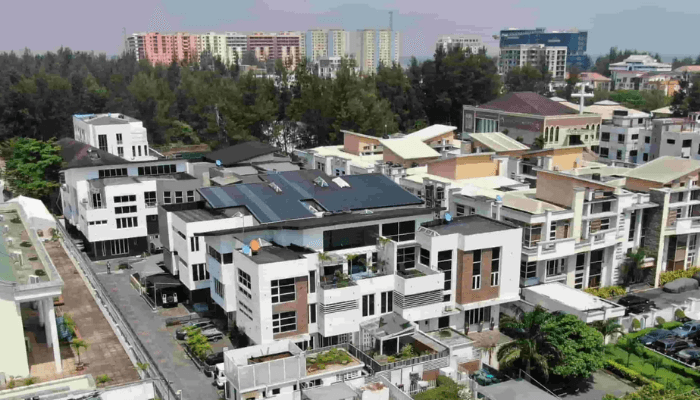
Call for Enhanced Transparency in Nigeria’s Real Estate Sector
Obinna Anthony Chukwuneta, Managing Director of Ataluhi Nigeria Limited, has emphasized the necessity for property developers in Nigeria to enhance their transparency and compliance frameworks. He argues that trust, rather than capital, is the primary barrier hindering large-scale diaspora investments in the housing sector.
Rethinking Developer Practices
Chukwuneta advocates for a departure from reliance on personal connections and informal networks. He suggests that developers should instead adopt verifiable documentation, transparent project reporting, and globally recognized governance standards. These changes are crucial for instilling confidence among international buyers contemplating remote investments.
Diverse Investment Opportunities
He notes that Nigeria’s diaspora community possesses both the financial capability and emotional attachment necessary to invest in the country’s real estate market. However, ongoing issues such as fraud, disputed land titles, and abandoned developments are significant barriers to investment. “Diaspora buyers hold an appetite for investment. The financial means are there, along with an emotional connection to their homeland, especially considering Lagos’ internationally attractive pricing,” Chukwuneta stated.
Potential of Diaspora Remittances
As one of Nigeria’s largest foreign exchange sources, diaspora remittances are projected to reach approximately $23 billion by 2025, with real estate consistently ranking as a preferred investment avenue for those seeking long-term wealth creation and asset diversification.
Private Sector Growth Challenges
Industry analysts observe that discreet investors comprise a notable portion of luxury housing transactions in Lagos, drawn by favorable exchange rates and an annual price appreciation ranging from 18% to 25% in prime locations. Nonetheless, concerns regarding fraudulent real estate transactions continue to hinder the market’s growth. The Lagos State Real Estate Regulatory Authority (LASRERA) has recouped over N270 million from fraudulent agents in 2025-2026 alone, while challenges like fake agents, defective property titles, and stalled developments pose ongoing risks for international buyers.
Opportunities for Trusted Developers
Chukwuneta insists that trustworthy developers can distinguish themselves by ensuring that regulatory approvals, title documents, construction milestones, and delivery records are readily accessible and independently verifiable. “Discrete buyers need the assurance of visibility into LASBCA documentation, occupancy certificates, construction milestones, and completed projects before investing,” he added.
The Importance of Establishing Trust
He cautioned that if developers fail to provide adequate transparency, potential buyers should reconsider their investments. If the real estate sector does not proactively implement transparency standards, Chukwuneta warns that regulation may eventually become a requirement. He argues that strengthening disclosure standards will not only enhance investor confidence but will also facilitate greater capital inflows. This, in turn, permits developers to tap into a broader array of long-term funding options while expediting project delivery.
Chukwuneta concluded by remarking that transparent and successful projects in Nigeria’s real estate market bolster confidence, whereas fraudulent activities raise the cost of attracting future investment. “When a buyer is deceived, it complicates the subsequent transactions for all legitimate developers,” he stated, underscoring the notion that fostering trust is integral to the industry’s infrastructure. Addressing Nigeria’s growing housing deficit hinges on improved governance, transparency, and accountability throughout the real estate value chain, unlocking more discreet capital and enhancing private sector investment in sustainable industry growth.
