


AI Has Potential to Drive Economic Growth in Sub-Saharan Africa
JOHANNESBURG, July 21 (Reuters) – A recent paper from the International Monetary Fund (IMF) indicates that artificial intelligence could enhance sub-Saharan Africa’s economy by approximately 4% over the next decade. This growth is projected to be driven by improvements in electricity supply, internet access, and the development of digital skills. However, the report warns that without crucial reforms, the economic benefits may remain minimal.
Investment Surge in Digital Infrastructure
Globally, investment in data centers, energy infrastructure, and digital networks is rapidly increasing as countries and companies compete to harness the economic advantages of AI. Yet, sub-Saharan Africa, which currently ranks lowest on the IMF’s AI Readiness Index, may only capture a fraction of the potential benefits unless existing infrastructure challenges are addressed.
Policy Changes Are Essential for Growth
Martin Schindler, deputy director and mission chief in the fund’s Africa department and the report’s lead author, emphasized the need for significant policy reforms to unlock further growth opportunities through AI. He noted that without proactive measures, many countries in sub-Saharan Africa could experience productivity and growth rates as low as 0.2% over the next decade, a figure he described as “a rounding error.”
Africa Lagging in AI Adoption
Africa remains largely on the outskirts of the global AI revolution. Sub-Saharan Africa is noted for having one of the lowest adoption rates of artificial intelligence, trailing only South Asia in this regard. The IMF’s AI Readiness Index highlights the lack of digital infrastructure, technical skills, and regulatory capacity as major factors hindering both adoption and the region’s resilience to labor market disruptions.
Electricity Challenges and Opportunities
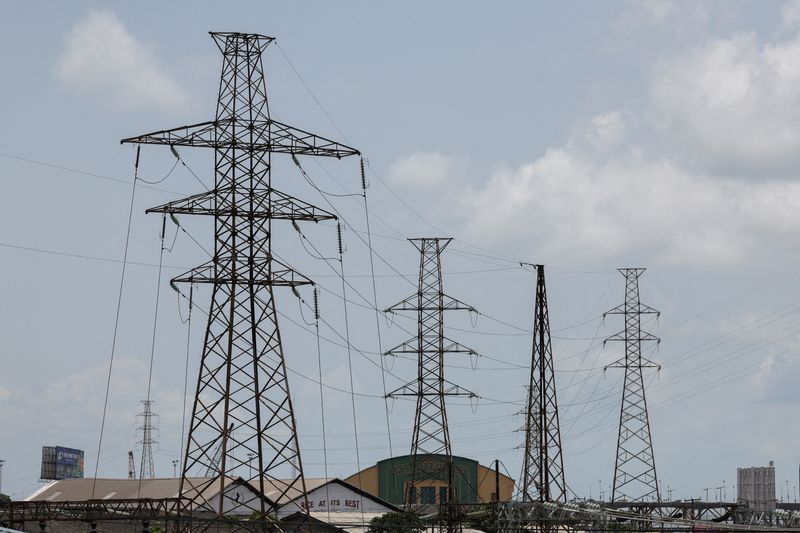
Roughly half of the population in sub-Saharan Africa lacks reliable access to electricity. The report suggests that investments in targeted power grids and mini-grids, especially around schools, clinics, and other public facilities, could establish vital regional digital hubs. Co-author Andrew Tiffin underscored the importance of electricity, stating that without it, progress is nearly impossible. He noted that the rise of AI could present a new opportunity to tackle Africa’s ongoing energy challenges, as data centers may become profitable projects that accelerate electrification.
Connectivity as a Major Limitation
Connectivity also poses a significant barrier to AI growth in the region. In 2024, only 38% of Africans had internet access, compared to 68% globally. The report suggests that increased investments in fiber networks and open access systems could help lower costs and broaden internet accessibility.
Private Investment in AI Infrastructure
Some private investors are already responding to the rising demand for AI technologies. Noteworthy initiatives include Microsoft and G42’s announcement of a $1 billion geothermal power data center campus in Kenya, as well as a $700 million partnership between Cassava Technologies and NVIDIA to deploy 12,000 GPUs across South Africa, Nigeria, Kenya, Egypt, and Morocco.
Risks of Inequality in AI Investments
Currently, Africa hosts approximately 160 data centers, representing only about 5.5% of the global total, with nearly half situated in South Africa, Nigeria, and Kenya. The report cautions that AI investments could exacerbate regional inequalities if not carefully managed.
(Reporting by Colleen Goko; Editing by Karin Strohecker and William Maclean)
