


For immediate release
contact: lp*******@*********la.edu
UCLA report highlights the negative impact of heightened immigration enforcement on economic stability in Los Angeles County’s Latino business corridor. The analysis indicates that within a two-week period, there were 46,000 fewer customer visits near nine enforcement sites, leading to an estimated total revenue loss of $3.16 million. Nearly a year later, Latino entrepreneurs are still grappling with ongoing economic, mental, and physical repercussions.
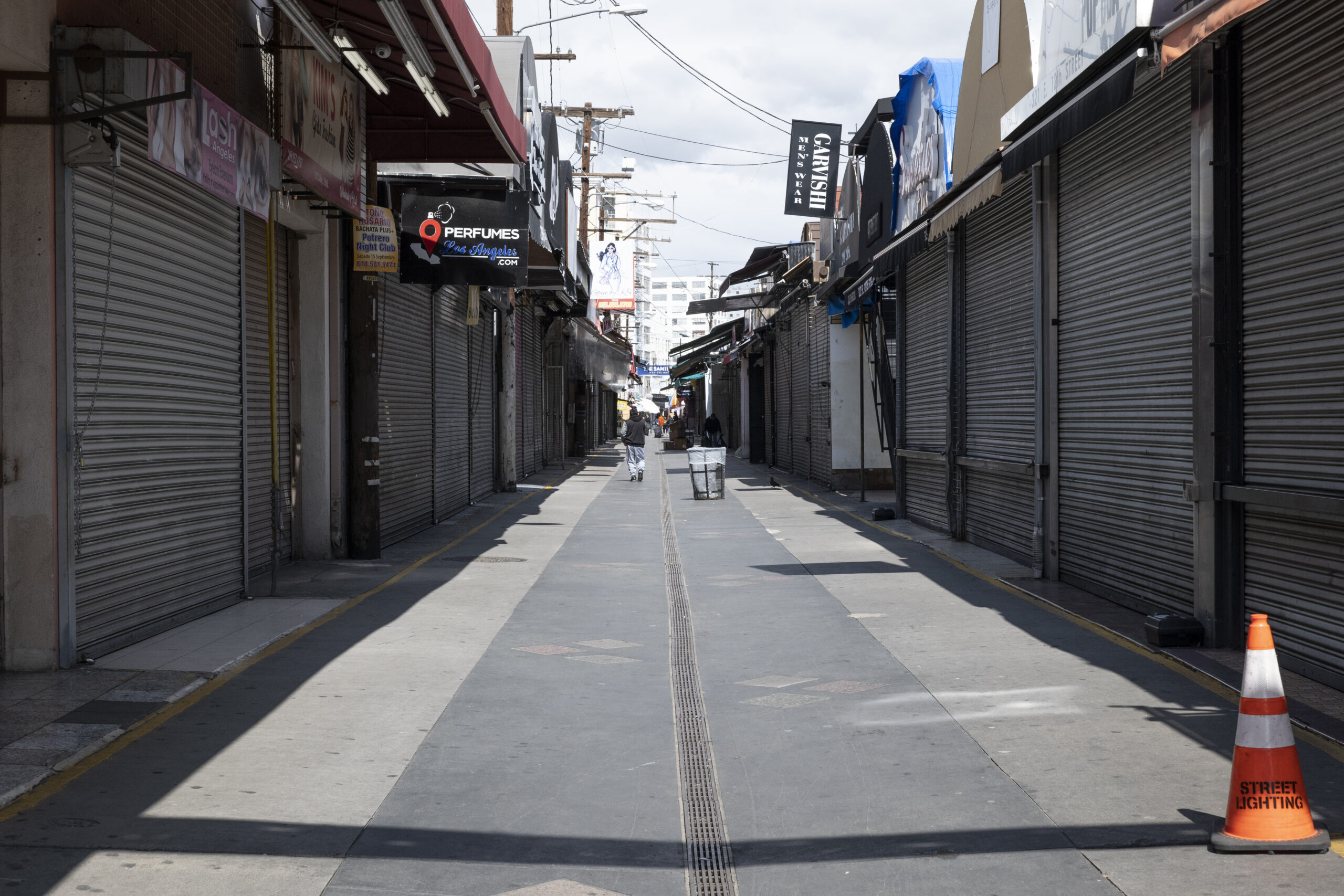
LOS ANGELES (July 22, 2026) — A June 2025 raid by ICE triggered an immediate economic shockwave in Los Angeles County’s Latino business corridor, effects of which are still felt nearly a year later, according to recent findings. The study, conducted by the UCLA Institute for Latin American Policy and Politics (LPPI) in collaboration with Inclusive Action for Cities, combines mobility data from local businesses with a survey and focus group analysis involving 75 Latino entrepreneurs throughout the region. Researchers identified a staggering decline in customer influx, tallying 46,000 fewer visits and an estimated revenue decrease of $3.16 million within just two weeks following the enforcement action.
The consequences of this decline have intensified over time and extended beyond the immediate vicinity of the enforcement sites. By the end of the second week, pedestrian traffic showed a decrease of 3.23% overall, with a sharper decline of 1.63% recorded within 400 meters of the enforcement zones. Foot traffic dropped in eight out of the nine commercial areas under review.
Extrapolating these patterns to a broader geographic scale indicates potential financial impacts surpassing $52 million in losses across two weeks and up to $114 million within a month. Researchers caution that these figures are illustrative estimates rather than precise measurements.
The testimony of Latino entrepreneurs illustrates how immediate drops in commercial activity have transformed into prolonged financial challenges. Business owners reported a decrease in customer engagement, canceled orders, reduced hours, staffing disruptions, depleting savings, and accumulating debt.
Key insights from the report reveal troubling trends:
All surveyed small business owners noted reduced customer numbers and declining sales.
59% experienced revenue reductions exceeding 50%, while another 20% witnessed declines ranging from 26% to 50%.
68% temporarily closed or reduced their operating hours.
51% of staff reported absences due to fear of enforcement actions.
Nearly a year later, 95% continue to face financial pressure.
52% indicated that revenue no longer adequately covers operational costs, while an additional 43% reported merely breaking even with minimal or no profit.
As profits dwindled, many companies were compelled to hire external labor, reduce workforce costs, assume roles originally assigned to employees, consolidate operations, and defer or cancel growth and investment plans.
The findings of this research underscore the long-lasting economic impact prompted by the immigration crackdown. Amada Armenta, director of LPPI and co-author of the report, stated that the loss of customer engagement has led to widespread disruption across various business sectors, irrespective of the immigration status of the owners. Nearly a year on, many entrepreneurs still face financial instability, with ongoing fear and anxiety adversely affecting their health and well-being.
Rudy Espinoza, Representative Director of Inclusive Action, highlighted the devastating consequences of federal immigration enforcement on local communities and the economy. He noted that small businesses and commercial districts remain under strain, leaving owners and employees struggling while families reel from the fallout. This investigation aims to shine a light on the severe impact of these policies and provide a platform for community voices.
The report reveals an intertwined relationship between economic burdens and health challenges. The ongoing atmosphere of fear and uncertainty, coupled with financial pressures, is taking a toll on entrepreneurs’ health, further hindering their ability to manage businesses and pursue recovery.
In summary, the emotional strain reported by entrepreneurs is significant:
76% of participants noted severe emotional impacts.
Focus group discussions revealed persistent feelings of fear, anxiety, depression, sleep disturbances, and heightened stress levels.
Additionally, respondents reported stress-related health issues including gastrointestinal disorders, panic attacks, and worsened chronic conditions, often necessitating new medications or increased hospital visits.
Business owners described the dual challenge of reassuring fearful customers and supporting anxious employees and family members while managing their own stress.
The report asserts that the negative health implications stemming from immigration enforcement further exacerbate the economic downturn.
The ongoing struggles faced by Latinx businesses are not merely a local concern; they represent vital components of the local economy, providing jobs, sourcing from local suppliers, and keeping funds within the community. When enforcement measures displace customers and workers, the ramifications extend beyond economics, impacting community health, well-being, and safety.
This study, which includes support from the California Wellness Foundation, the Latino Community Foundation, and the Evelyn and Walter Haas, Jr. Fund, underscores the imperative need for policies that address these challenges effectively.
###
About UCLA Institute for Latin American Policy and Politics
The UCLA Institute for Latin American Policy and Politics (LPPI) is a nonpartisan research entity dedicated to informing, engaging, and empowering Latinos through innovative research and policy analysis. LPPI advocates for equitable policies that address the needs of the Latinx community and promote social justice.
About Inclusive Action for Cities
Inclusive Action for the City is a nonprofit and community development financial institution (CDFI) based in Boyle Heights, supporting communities across Los Angeles County. The organization champions economic equity, invests in entrepreneurs, and works to modify systems for a more inclusive economy.
