


Ongoing Access to Driver Data Raises Concerns
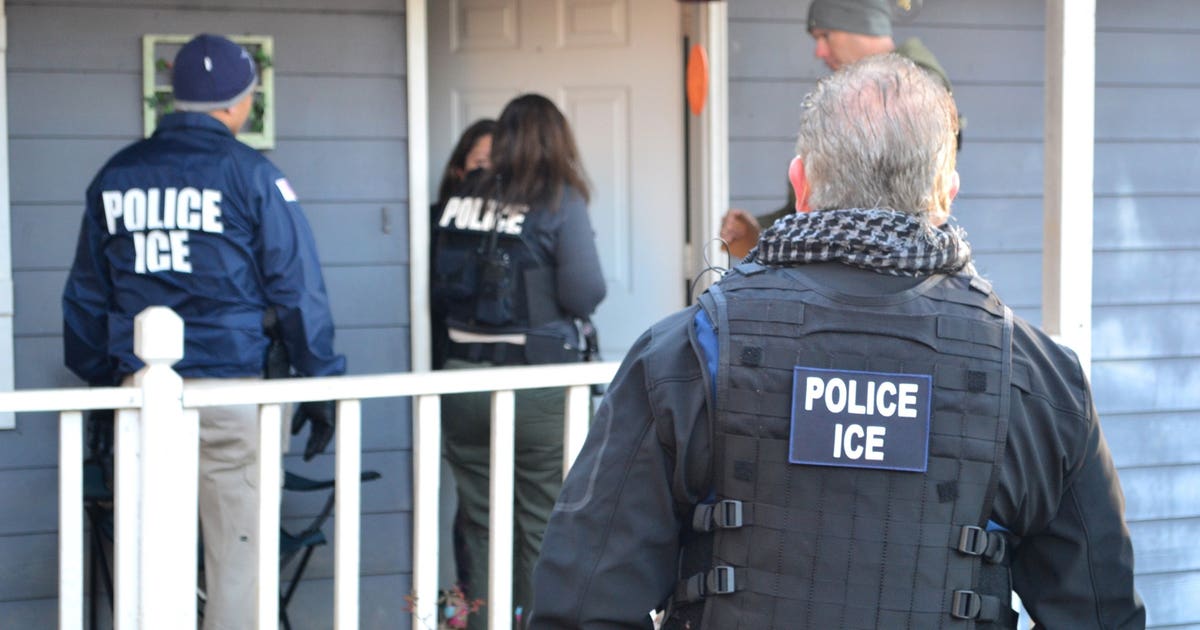
In a recent report, the University of Washington’s Center for Human Rights revealed that federal immigration authorities are continuing to access the personal data of Washington drivers via the National Law Enforcement Data Sharing System (Nlets). This practice is occurring despite state laws designed to limit cooperation with immigration enforcement agencies.
The report identifies at least 58 cases of Washington state residents being apprehended by Immigration and Customs Enforcement (ICE) or U.S. Customs and Border Protection (CBP) after their driver information was obtained from the Washington State Department of Licensing through Nlets. Additionally, there are reports of 122 more cases still pending confirmation.
The Washington State Department of Licensing (DOL) asserts that Nlets serves numerous public safety functions, including supporting criminal investigations, and claims that it is not feasible to completely eliminate its use. Meanwhile, the office of Governor Bob Ferguson has indicated that the state is actively exploring options to prevent the misuse of residents’ information.
Data Utilization for Immigration Enforcement
Angelina Godoy, the executive director of the University of Washington Center for Human Rights, began a focused investigation last year into how Washington’s driver license information is disclosed to federal immigration entities. The latest findings demonstrate that the problematic practices of sharing this data persist.
Godoy acknowledges that the full scope of the issue remains unclear, but the center continues to gather information from families, attorneys, and community organizations. Reports suggest that individuals are being stopped and arrested on highways across Washington. Notably, many of these arrests occur without warrants and sometimes involve violent confrontations, including children being present during detentions.
Linking Nlets Searches to Immigration Arrests
Researchers have noted that Nlets enables federal agencies to query state databases for driver license information. Godoy shared examples of records obtained by her team, indicating that CBP personnel have requested information on specific Washington license plates. This process reveals that inquiries made by CBP can lead to obtaining details like the registered owner’s name and address—information that is critical for ICE operations.
Godoy likened the situation to sharing account access, noting, “ICE is using your CBP username. It’s like I’m letting them use your Netflix account.” This analogy underscores her concerns about the vulnerabilities in how such data is being accessed.
Disclaimers Fail to Prevent Misuse
The report also highlights a disclaimer associated with data shared through Nlets that prohibits its use for immigration enforcement. However, Godoy argues that this disclaimer lacks sufficient enforcement to prevent its misuse. She notes that many searches occur shortly before vehicles are stopped, suggesting a direct link between data access and immediate enforcement actions.
Legal Protections Under Scrutiny
Washington State’s Keeping Washington Functioning Act, enacted in 2019, restricts state agencies from assisting with federal immigration enforcement efforts. Godoy argues that the current data-sharing practices violate this law. She maintains that while the state has made some progress in restricting access, those measures do not adequately address the broader issue.
“Governor Ferguson has taken steps to prevent access to data for users like ICE, and some have been blocked,” Godoy stated. “However, other federal agencies are simply circumventing these limitations.” She insists that enacting more comprehensive legislation is critical for safeguarding residents’ rights.
Governor’s Office Pursues Solutions
A spokesperson for Governor Ferguson confirmed that the administration is committed to limiting federal access to Washington residents’ data, while still allowing necessary law enforcement actions. The governor’s office cited results showing that over 108,000 federal search attempts were blocked between November 19, 2025, and July 14, 2026, from agencies known to engage in immigration enforcement. This includes attempts from ICE, Homeland Security Investigations, and CBP.
DOL Emphasizes Public Safety Role of Nlets
The Department of Licensing defended the use of Nlets as an essential tool for law enforcement communications beyond immigration purposes. Officials noted that eliminating access entirely could hinder public safety efforts. Furthermore, the DOL is actively reviewing CBP’s utilization of Nlets and exploring options to enhance data protection for Washington residents.
Wider Implications of Data Access
Godoy highlighted that the ramifications of these practices go beyond data systems to affect community trust and public safety. She stressed the importance of ensuring that all individuals feel secure while driving on Washington’s roads. The fear instilled by immigration enforcement practices can have lasting impacts on families and communities, raising critical human rights issues.
The University of Washington Center for Human Rights continues to investigate additional incidents related to this practice, emphasizing the urgency of addressing these matters comprehensively.
