


Written by Miriam Murigi
A Call for Enhanced Investment in African Science and Innovation
African leaders have been encouraged to significantly boost their investments in science, research, and innovation. Experts warn that without a stronger scientific foundation and sustainable innovation ecosystems, the continent will continue to rely heavily on foreign technology.
Challenging Africa to Create Rather Than Consume Technology
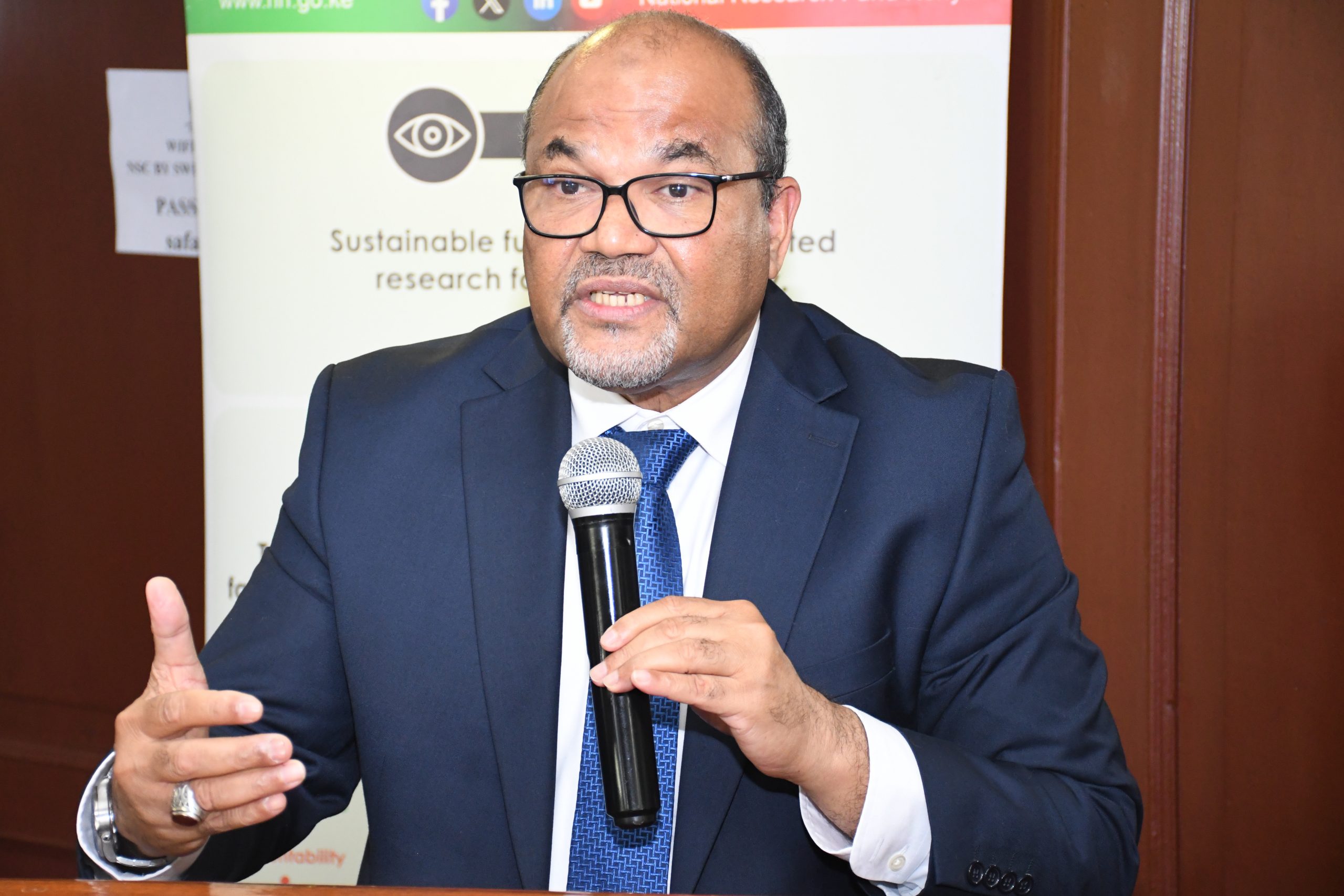
Professor Shaukat Abdulrazak, Principal Secretary of Kenya’s Department of State Science, Research, and Innovation, emphasized the urgency for African nations to transition from being mere consumers of technology to becoming creators, owners, and exporters of native innovations. During his speech, relayed by Permanent Secretary Stella Langat at the African Technology Leadership Conference (ATLC) 2026 in Nairobi, he stated the importance of generating African solutions rather than solely importing finished products.
Investment Disparities in Research and Development
Despite a growing demand for innovation, sub-Saharan Africa invests only 0.38% of its gross domestic product (GDP) in research and development—far below the global average of 1.92%. Additionally, the region boasts just 88 researchers per million people compared to a global average of 1,486. This disparity stifles efforts to develop new medicines, enhance agricultural productivity, and bolster industrial competitiveness.
The Digital Divide and its Implications
Professor Abdulrazak pointed out that the continent’s challenges extend beyond merely increasing internet access. The International Telecommunication Union projects that by 2025, only 36% of Africans will utilize the internet, leaving a significant portion of the population offline. He cautioned that mere connectivity would be insufficient unless Africa takes control of its digital infrastructure, platforms, data, and emerging technologies.
Transforming Scientific Aspirations into Economic Advantages
During the conference, Professor Abdulrazak articulated a vital question: how can Africa convert its scientific, research, and technological aspirations into sustainable economic advantages? He underscored the evolution of technology into a fundamental element of foreign policy, trade, investment, and national security.
Collaboration and Commercialization as Key Drivers
He called upon universities and research institutions to ensure that their findings extend beyond academic publications and transform into commercially viable products and services. Many promising innovations fail to reach the market due to insufficient collaboration among researchers, industry players, investors, and policymakers. To bridge this gap, increased support for intellectual property protection, technology transfer, patient capital, and stronger partnerships between universities and the private sector is critical.
Focus on Implementation at ATLC 2026
At the same event, Dr. Kenneth Rotich, CEO of INVIGENCE Ltd., highlighted that the conference signifies a pivotal shift from strategic discussion to implementation. It aims to unite leaders from various sectors—government, academia, research institutions, and industry—to transform ideas into actionable results that enhance systems, investments, and lives across Africa. Scheduled for October 22-23, 2026, ATLC 2026 is expected to gather over 3,500 stakeholders to deliberate on strategies for leveraging science and technology to spur Africa’s economic growth and bolster its global competitiveness.
Strategic Focus for Future Resilience
The conference will center on four key pillars: technical diplomacy and leadership, investment and technology infrastructure, organizational capability for implementation, and data governance and technology resilience. These pillars aim to forge robust technological ecosystems that can support sustainable development throughout the continent. As stated by Professor Abdulrazak, Africa is poised to take the lead in designing its technological future and must act decisively to shift from ambition to execution, research to business, and innovation to tangible impact.
