


Detaining a Worker: The Ongoing Impact of Immigration Enforcement
On May 28, a Venezuelan man residing in Lake Placid embarked on what he expected to be an ordinary workday. As he made his way to his truck, he entered a parking lot near the Grandview Resort, where he worked as a maintenance employee. It was here he noticed two unmarked vehicles, which sparked confusion and fear within him.
Interpreting his apprehension, he recounted the feeling in Spanish through an interpreter, expressing his initial disbelief about the situation. “I was scared, but I said to myself, ‘No, I don’t think that’s going to happen.’” Unfortunately, his concerns proved valid when he discovered that the vehicles belonged to federal immigration authorities.
Upon exiting his truck, two unidentified individuals approached him and ordered him to raise his arms. Despite his attempts to understand why he had been stopped, his inquiries were disregarded. He pleaded to retrieve his work permit documents but was met with the grim response, “You’re under arrest,” as they placed him in handcuffs.
This incident was part of a larger Immigration and Customs Enforcement (ICE) operation that detained 14 employees early that morning, primarily contracted workers engaged in roofing activities at one of the Grand View Resort properties. Days later, ICE apprehended an additional seven employees at a nearby restaurant, further exacerbating community concerns.
Heightened Anxiety in the Community
These detentions represent a continuation of ICE’s intensified operations in the North Country region, a trend that escalated under the Trump administration’s immigration policies. In recent months, ICE detained several workers at a sawmill and a dairy farm within the vicinity, prompting local outrage and an outcry from community members.
Lake Placid’s hospitality industry relies heavily on immigrant labor, with many workers living and operating in the area while seeking asylum or under temporary protected status. The village accommodates hundreds of seasonal workers through the J-1 Summer Work and Travel Program, but the shadow of ICE’s presence has forced many workers to remain invisible.
“So many immigrants came to our country because they didn’t feel safe in their original environments,” stated Kyra Grimmett, an organizer with North Country Immigrant Allies. The fear of facing similar threats in the United States has permeated the lives of these individuals.
Surveillance Concerns and Community Impact
Grimmett further revealed that accounts from detained migrants indicate a pattern of being watched or followed prior to apprehension, heightening anxiety among immigrant communities. She noted that some individuals were tracked for several days across various towns before ICE executed their detentions.
Inside the arrest, observers described seeing ICE agents detain additional men, with reports of excessive force being applied during the apprehension. Witnesses reported detainees being restrained in chains, creating an overwhelming atmosphere of intimidation.
Able to Speak Out After Release
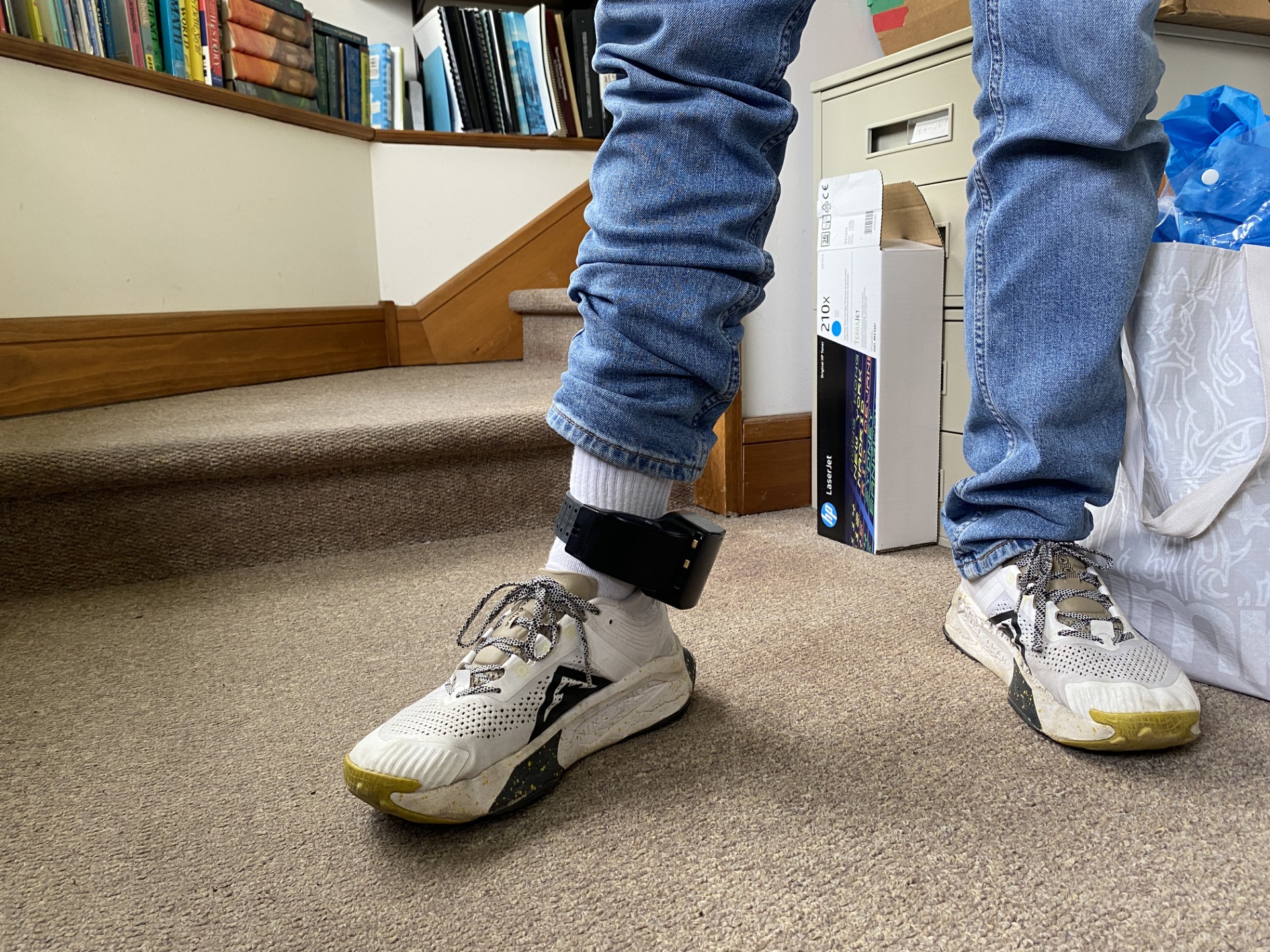
Choosing not to accept voluntary deportation, the Venezuelan worker sought legal protection, leading to his release on bond after two weeks. Currently wearing an ankle monitor, he articulated how this situation disrupts his daily life, stating, “I walk about 20,000 steps every day, but it’s really a pain to change my clothes.” Nevertheless, he expressed gratitude for the chance to return to his family but acknowledged the trauma inflicted on many within the community.
Father John Jonkovig, a retired priest in Lake Placid, has witnessed the growing caution among immigrants who now tend to keep a low profile in public, venturing out only when necessary. Jonkovig emphasized that fear permeates local communities, especially following a recent incident involving the fatal shooting of an immigrant by federal agents in Maine, heightening communal anxieties.
Seeking Awareness and Support
After his release, the Venezuelan worker continues to experience unease, often looking over his shoulder for ICE agents. He avoids the parking lot where he was detained, a place now associated with trauma. Nevertheless, he chose to share his story to raise awareness in the community, emphasizing that many residents may not fully grasp how immigration enforcement affects their neighbors.
He asserted the necessity for information dissemination within this smaller community, acknowledging the support from many locals. “We know there are a lot of people here who support us and want us,” he said, advocating for awareness amidst a climate characterized by fear and uncertainty.
David Escobar contributes to discussions on diversity in the Adirondacks through a partnership between North Country Public Radio and the Adirondack Explorer, a nonprofit news organization dedicated to the preservation of community narratives and policies.
