


Interest Rate Debate Intensifies Ahead of Federal Reserve Vote
The discussion surrounding the ideal direction for interest rates remains a focal point as the Washington Federal Reserve prepares for its rate-setting vote on Wednesday. This critical decision comes amid a backdrop of varying economic indicators.
Economic Stability Under Threat
While certain segments of the U.S. economy, particularly the labor market, exhibit a degree of stability, this foundation is at risk. Experts warn that ongoing geopolitical tensions, particularly the protracted conflict in Iran, combined with the inflationary impact of recent tariff increases implemented by the Trump administration, could destabilize this equilibrium.
Current Expectations for Interest Rates
Traders in the interest rate market largely predict that the Federal Open Market Committee will maintain the federal funds rate at its current level of approximately 3.6%, unchanged since December. While the prevailing sentiment leans toward holding rates steady, there remains the possibility that the FOMC may opt for an increase following the upcoming vote.
Rising Borrowing Costs Affect Consumers and Businesses
The existing interest rates are already straining borrowing capacity for many consumers and small businesses. As a result, there has been a notable decline in the sales of financed goods, such as automobiles and industrial equipment, which are typically subject to loan agreements.
Persistent Inflation Challenges
Inflation has consistently outpaced the Federal Reserve’s target of 2% for over five years, creating an ongoing affordability crisis for consumers. Recent reports suggest some moderation in inflation indicators; however, the rise in prices for energy and wholesale goods continues to be pronounced.
Calls for Interest Rate Adjustments
In a recent address, Dallas Federal Reserve President Laurie Logan highlighted the burden of persistent inflation, urging for a “moderate” increase in interest rates. Historically, the Federal Reserve has raised rates to temper overall economic activity and combat inflation. Given the current economic climate, many market observers are advocating for such measures to apply downward pressure on spiraling price growth.
Market Predictions and Uncertainty
Market consensus is shifting toward the expectation of interest rate hikes by the end of the year. According to the CME FedWatch tool, futures contracts indicate a 90% likelihood of an increase of at least 0.25% by January. However, there are ongoing debates about the actual impact such increases would have on curbing inflation.
Geopolitical Factors at Play
Several analysts believe that the current inflation landscape may be less responsive to interest rate hikes than in previous economic cycles. Increased energy costs—fueled by the Iranian conflict and the Trump administration’s tariff policies—are keeping consumer prices elevated, and experts contend that higher rates alone may not effectively mitigate these geopolitical pressures.
Leadership at the Federal Reserve
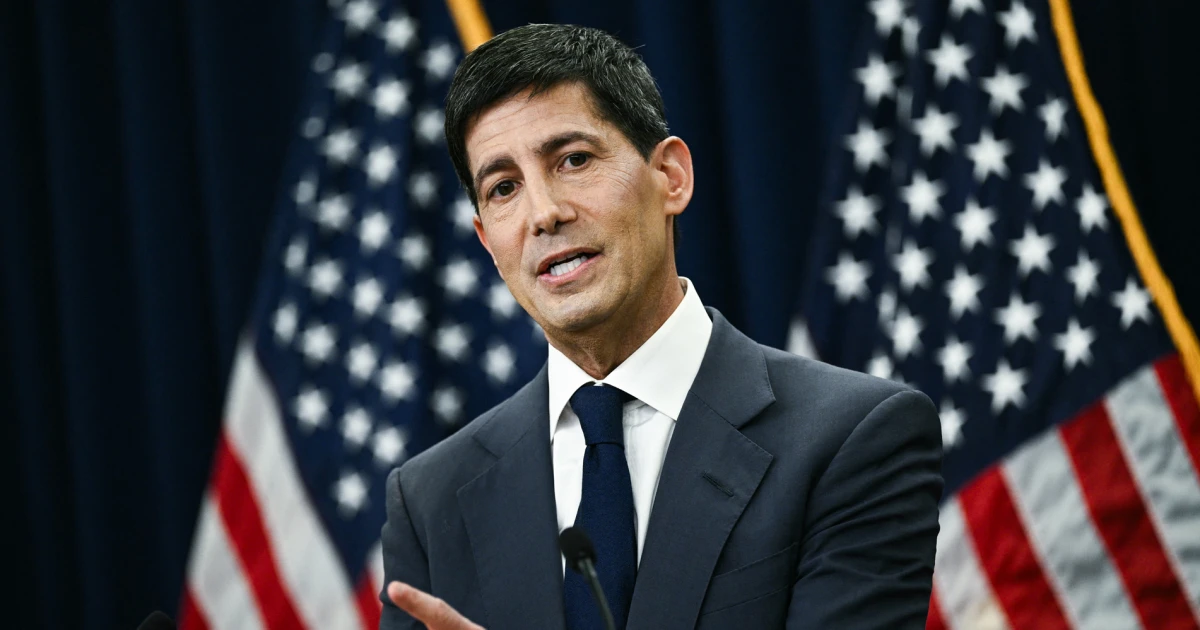
With Kevin Warsh now at the helm of the Federal Reserve, expectations surrounding monetary policy communication have shifted. Market participants have expressed frustration over what they perceive as a lack of clear guidance from the Fed, as Warsh has largely maintained existing perspectives on monetary policy direction. This has prompted other policymakers to adopt a more assertive narrative advocating for interest rate hikes in response to persistent inflation.
Future Challenges in Economic Relationships
President Trump’s recent tariffs, ranging from 10% to 12.5% on numerous trading partners, signal a continuation of protectionist policies that introduce uncertainty into critical economic relationships. Moreover, these tariffs are facing legal scrutiny, with challenges underway in Federal Trade Court that may hinder their implementation. Economists warn that potential legal battles surrounding these tariffs add another layer of complexity to the already uncertain economic landscape.
