


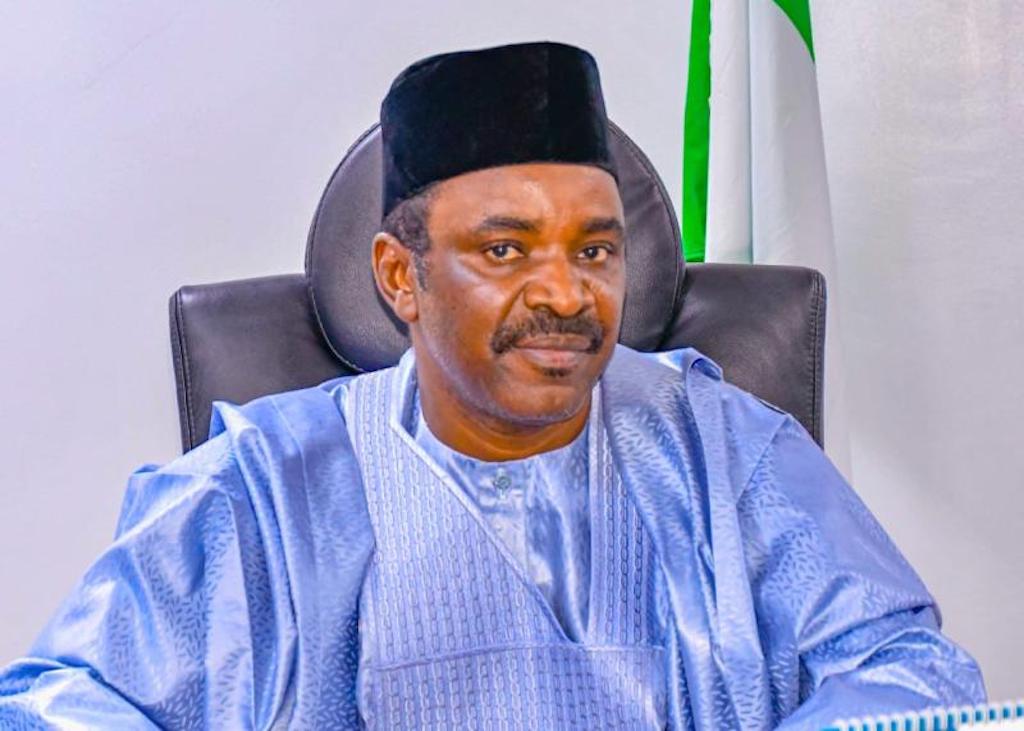
Transport Minister Saeed Alkali has said concessions in the transport sector in Nigeria are inevitable.
Mr. Alkali said this at a symposium organized by the National Coordination Committee (NCC) of the International Transport Workers’ Federation (ITF) in Abuja on Tuesday.

The theme of the event was “Nigeria’s Transport Sector Concessions: Focus on Viability and Pressing Labor Issues”.
Represented by the ministry’s Road Transport and Mass Transport Director-General Ahidenor Sincere, the minister said concessions in the transport sector were of paramount importance, insisting that success would not come automatically.
“It will be measured by its ability to provide efficient and affordable transport services, investor confidence, industrial harmonization, social protection, etc., as well as improvements in infrastructure and economic benefits.
“This will undoubtedly confirm the reality that without worker inclusion, viability is unsustainable, and without efficiency, labor protection is not competitive.

“Balancing the competing interests in this complex project requires designing an economically viable, institutionally sound and socially responsible concessions framework to ensure Nigeria’s transport sector becomes a driver of inclusive growth and national development,” he said.
The Minister assured of expediting the implementation of the laudable recommendations anticipated at the symposium.
Earlier, Naboue Ben, president of the National Union of Air Transport Employees, said the ITF was founded in 1896 to unite workers around the world.
Mr Benn, who was also ITF-NCC chairman, said the ITF brought together seafarers, longshoremen, aviation, rail and road workers in its early days, understanding that challengers in the transport sector did not stop at national borders.
“Over the past century, the ITF has grown into a powerful global federation representing more than 20 million workers in more than 150 countries.
“Through war, globalization and major industry changes, ITF remains committed to protecting workers’ rights, improving safety and welfare, and promoting decent work in all transport sectors.
“Today, the ITF continues to lead international campaigns against exploitation, unsafe conditions and unfair labor practices, while championing gender equality, youth empowerment and the future of transport work in a rapidly changing world,” he said.
Ben said the ITF, through the ITF-NCC, works closely with trade unions in Nigeria to strengthen solidarity, defend workers’ rights and ensure transport workers have a strong voice in national and global decisions.
The Director-General of the Nigeria Meteorological Agency (NiMet), Charles Anosike, has said that integrating weather forecasting into intermodal transport planning is no longer an option, but a must.
Prof. Anoike was represented by the Deputy Director, Climate Services, NiMet, Mr. Oegade Adeleke.
Related article: Tinubu’s Transportation Revolution: The Silent Thunder of Progress Under Saidu Alkali, by Aisha U. Ahmed
He pointed out that weather has a direct impact on the efficiency, safety and reliability of intermodal transportation.
“Climate change is real and more extreme events are expected. Therefore, integrating weather forecasting into intermodal transportation planning is no longer an option, but a necessity.
“This is essential to improve efficiency, reduce losses and build resilient supply chains in Nigeria.
“At NiMet, we are fully committed to this course and invite the participation of all stakeholders to work together to provide a safer and more reliable environment for intermodal transportation,” he said.
(South)
