


Advocacy Groups Demand Increased Funding for Day Labor Hubs
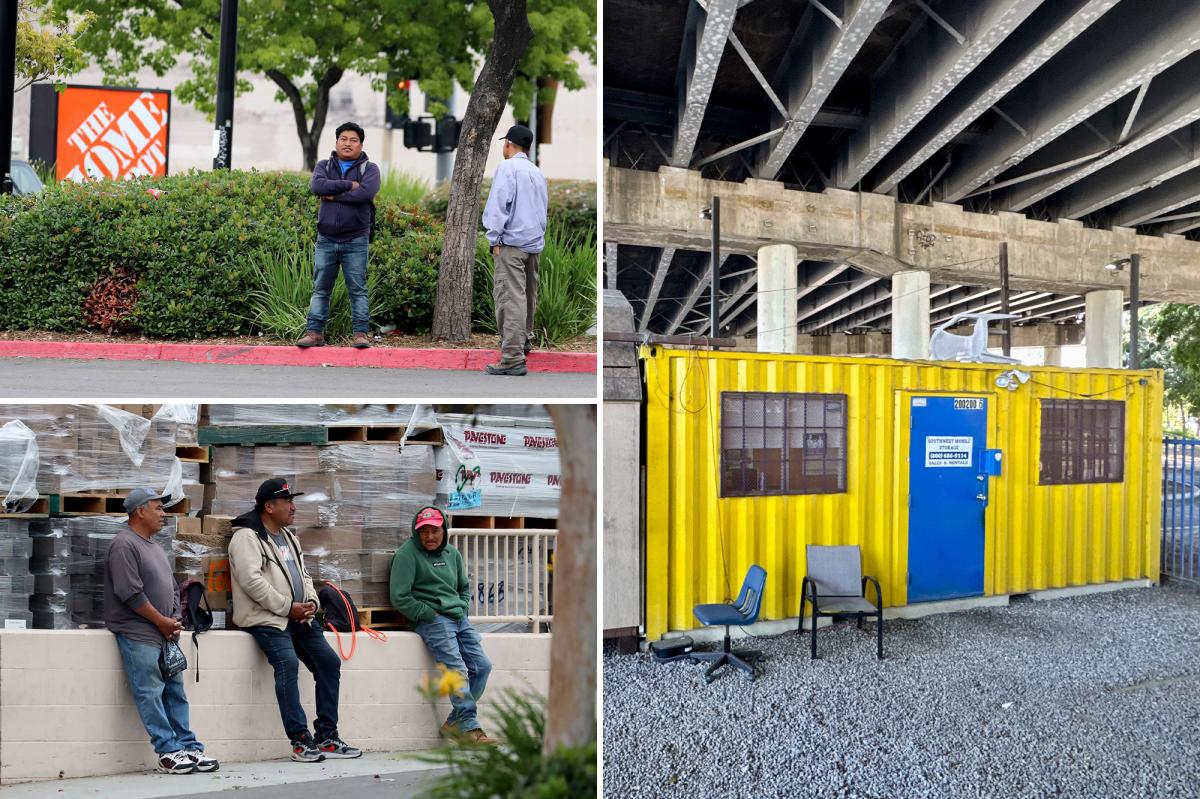
Taxpayer-funded advocacy organizations for undocumented immigrants are mounting a campaign against U.S. Immigration and Customs Enforcement (ICE), seeking millions in additional support from Los Angeles residents to sustain day labor hubs situated near hardware stores.
Currently, these groups receive $1 million annually from the Los Angeles City Council but are requesting an increase of $2 million to bolster their efforts in combating ICE operations and maintaining the infrastructure outside local hardware stores.
The labor hubs are designed to provide essential services such as restrooms, free legal assistance, and employment resources, all funded by taxpayer dollars through nonprofit organizations.
Support for Increased Funding Amid Budget Constraints
Socialist lawmaker Eunice Hernandez is advocating for increased funding to organizations like the Central American Resource Center (CARECEN), which provides crucial support for undocumented immigrants. At a recent meeting of the City Budget and Finance Committee, Hernandez urged an allocation of $3 million to sustain these work centers.
This substantial request arises as Los Angeles grapples with a $15 billion budget session, during which police have voiced concerns over insufficient resources and personnel to secure the upcoming 2028 Olympics.
Community Concerns Over Spending Priorities
Local resident Susan Collins, a Sherman Oaks native, has been vocal in her opposition to the proposed increase in funding for the day labor programs. “As a first-generation American, I value the contributions of immigrants,” she stated. “However, this is not the right time to triple funding for these programs while the city claims it lacks money to maintain basic services such as lighting and road repairs.”
Rising Demand for Support Services
Luis Hernandez, a representative of CARECEN, noted a significant rise in demand for services among undocumented workers. According to CARECEN President Diana Camilla, the need for legal protection against deportation has reached unprecedented levels, highlighting the challenges faced by this community.
At a day labor center located at the Home Depot in Cypress Park, workers report that about 20 to 25 individuals have been detained by ICE in recent months, underscoring the urgent need for legal and operational support.
Historical Context of Day Labor Centers
The establishment of day labor centers in Los Angeles traces back to the 1990s when many laborers gathered outside hardware stores and on busy streets, prompting complaints about disorder and safety. To address these concerns, city officials formalized the system by designating specific zones for labor recruitment, supported by basic amenities and oversight.
Over the years, multiple hardware stores have been required to allocate space for these centers through land use permits, often leasing parking areas at minimal costs. This framework has inadvertently placed companies like Home Depot at the center of a contentious immigration debate, exposing them to potential legal risks.
Home Depot’s Response to Immigration Enforcement Claims
A Home Depot spokesperson clarified that the company does not engage in immigration enforcement and does not cooperate with federal agencies such as ICE. They maintain that any involvement in enforcement activities is beyond their control, which has become a focal point of criticism.
Despite the influx of funding into these programs, critics argue that many have failed to deliver effective solutions. Progressive lawmakers like state Representative Jessica Caroza have called for a boycott of Home Depot, linking the company to the challenging enforcement environment faced by undocumented immigrants in the region.
Broader Implications for Local Communities
Scott Meyer, a candidate for California’s 30th Congressional District, argues that the city’s own policies created the current system. He contends that the failure of these initiatives reflects a wider pattern of ineffective public spending that lacks accountability and measurable outcomes.
Amidst this complex landscape, Home Depot continues to be a significant employer and contributor to the local economy, supporting over 292,000 jobs and generating substantial tax revenue. Nevertheless, the ongoing challenges faced by day laborers and the systemic issues tied to current funding models present critical questions for Los Angeles leaders focused on community welfare and budget priorities.
