


Concerns Arise Over Newsom’s Final Budget Proposal
Governor Gavin Newsom unveiled his final budget proposal on Thursday, presenting a state spending plan of nearly $350 billion—marking the largest budget in California’s history. While Newsom emphasized a positive fiscal forecast, critics raised alarms about cuts that may adversely affect healthcare access for undocumented immigrant communities.
Fiscal Stability in Focus
During a media briefing on Thursday morning, Newsom asserted, “We’re not just balancing next fiscal year, which ends next July, but we’re also balancing for another year.” The budget aims to eliminate projected deficits of $2.9 billion for fiscal year 2026-2027 and $22 billion for 2027-2028, largely due to unexpected increases in income tax revenue driven by gains in artificial intelligence firms and the stock market.
Tax Proposals Under Scrutiny
Despite the optimistic outlook, Newsom cautioned against expanding investments at this time, acknowledging the need for fiscal restraint. He noted that many large corporations in California are not contributing their fair share of taxes and proposed adjustments that would limit tax deductions to either $5 million or 50% of the tax owed.
Relief for Small Entrepreneurs
Chris Horn from the California Budget and Policy Center pointed out that nearly half of the businesses in California only pay the minimum $800 tax. However, in an effort to support small businesses, Newsom’s proposal includes a reduction of the license fee to $400 annually for approximately 250,000 small entrepreneurs.
Expansion of Digital Sales Tax
In addition to other measures, the budget introduces a new state sales tax on digital software products, targeting both pre-built software like Microsoft and software-as-a-service (SaaS) platforms such as Slack and Zoom. This initiative is projected to generate $450 million in the next fiscal year and $900 million by fiscal year 2029-2030, dependent on local sales tax structures.
Health Care Cuts Draw Reactions
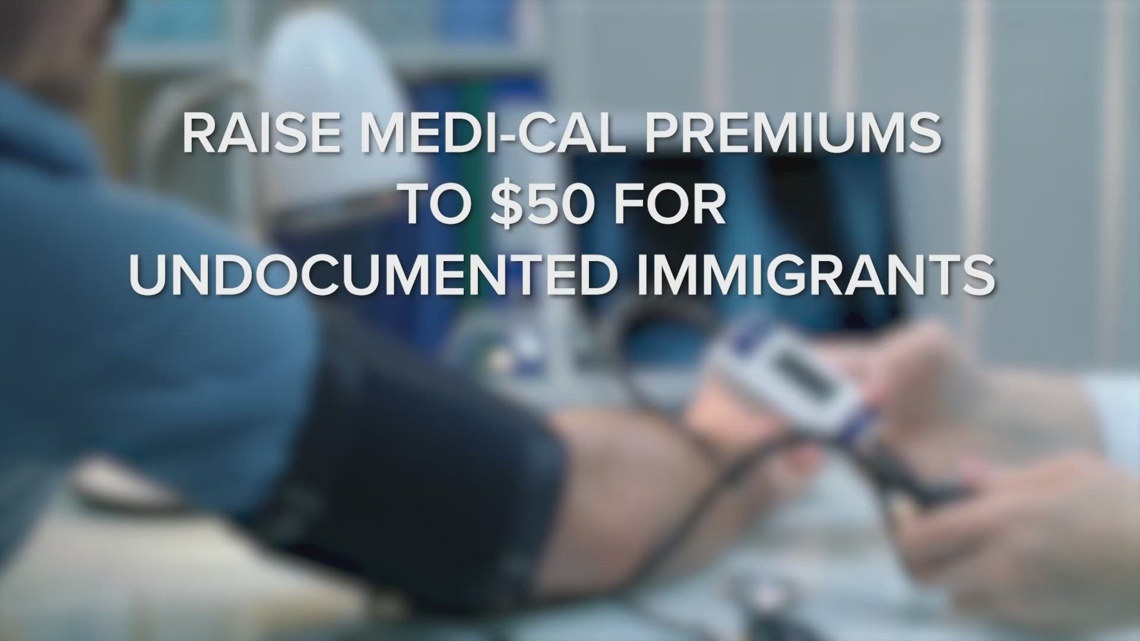
However, some aspects of the budget have raised considerable concern. Proposed cuts to health care services could disproportionately affect undocumented immigrants, a community that Newsom had previously expanded Medi-Cal coverage to. Mar Velez, policy director for the Latino Coalition for a Healthy California, criticized these modifications as “pretty unconscionable,” suggesting that increasing monthly health insurance premiums from $30 to $50 could deter individuals from accessing necessary care.
Federal Regulations at Play
California State Treasurer Joe Stephenshaw defended the proposed shift to fee-for-service healthcare for undocumented immigrants, claiming it is essential for the state to secure federal reimbursements. “If we keep them in the managed care system, we lose out on federal reimbursement, and the state loses even more money,” he explained.
Legislative Response and Next Steps
Democratic leaders in both the Senate and Assembly have expressed strong opposition to the health care cuts included in Newsom’s initial budget. They are advocating for the delay of Medi-Cal premium increases in response to recent amendments. Negotiations are set to continue in the coming weeks, with a deadline for finalizing the budget by June.
