


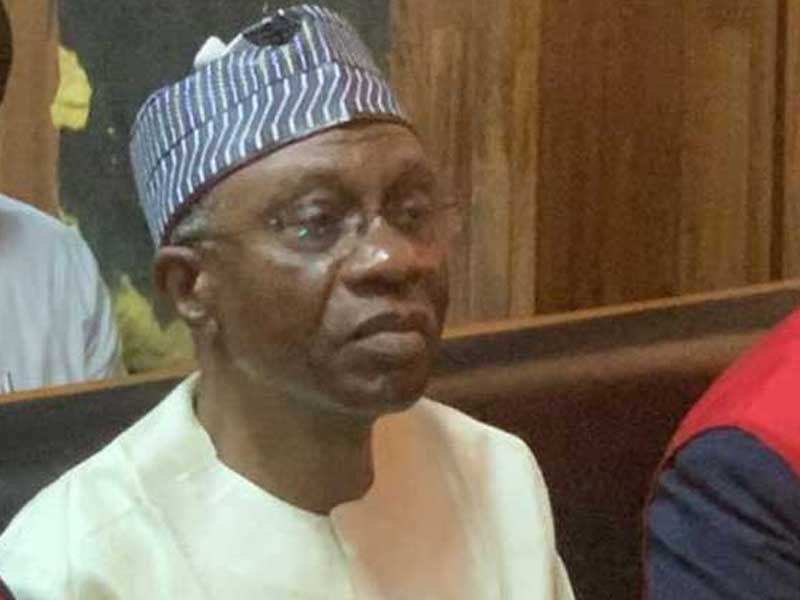
Challenge to Admissibility of Statements by Former CBN Governor
The Ikeja Special Crimes Court received a request to dismiss extrajudicial statements provided by former Central Bank of Nigeria (CBN) Governor Godwin Emefiele and co-defendant Henry Omoire, with the defense arguing that these statements were obtained improperly and without the necessary statutory protections.
Court Set to Rule on Statement Validity
On May 4, 2026, under the oversight of Justice Rahman Oshodi, the court will evaluate the admissibility of these statements. This decision follows the completion of final written submissions by the defense and prosecution teams, marking a critical point in this trial-within-a-trial.
Overview of Charges Against Emefiele
Emefiele faces a comprehensive 19-count indictment that includes allegations of corruption, solicitation of gifts, and abuse of power related to large financial transactions. His co-defendant, Mr. Omoire, is charged with three counts related to the illegal acceptance of gifts while acting as an intermediary in CBN-related dealings.
Prosecution’s Claims on Significant Financial Misconduct
The prosecution alleges that the contested transactions involve approximately $4.5 billion and 2.8 billion naira, arguing that these actions represent serious violations of both due process and fiduciary responsibilities.
Defense Challenges the Basis of the Prosecution’s Evidence
In response to the charges, Emefiele and Omoire maintain that the evidence presented by the prosecution lacks credibility, asserting that key documents have been improperly acquired. Justice Oshodi previously scheduled a hearing to assess the voluntariness of Omoire’s statement, prompted by a defense challenge regarding its legitimacy.
Arguments Against the Voluntariness of Statements
During the proceedings, Mr. Adeyinka Kotoye, representing the second defendant, contended that the statement was neither freely given nor admissible in court. He cited specific sections of the Administration of Criminal Justice Act, which outline essential procedures that must be adhered to when obtaining suspects’ statements. Kotoye emphasized that the absence of video documentation during interrogation raises serious concerns about compliance with due process.
Defense’s Burden of Proof and the Role of Legal Counsel
Further supporting this position, Olalekan Ojo, SAN, representing Emefiele, asserted that the onus lies with the prosecution to demonstrate that the statements were given voluntarily. He criticized the prosecution for failing to sufficiently address critical defense arguments, including claims of coercion and inadequate legal representation, highlighting significant gaps in their case.
Prosecution’s Response and Justification of Statement’s Admissibility
In rebuttal, Rotimi Oyedepo, SAN, the Director of Public Prosecutions, urged the court to dismiss the objections raised by the defense. He argued that the initial failure to contest the admissibility of Emefiele’s statement negated the defense’s recent claims, labeling them as an abuse of court proceedings. Furthermore, Oyedepo asserted that the statement complied with judicial requirements, asserting the presence of legal representation during the interrogation as a mitigating factor against claims of coercion.
Next Steps in the Proceedings
After reviewing written submissions from all parties, Justice Oshodi has scheduled a ruling on the admissibility of the statements for May 4, 2026. Additionally, the court established June 26 and June 30, 2026, as key dates for the continuation of the main trial.
