


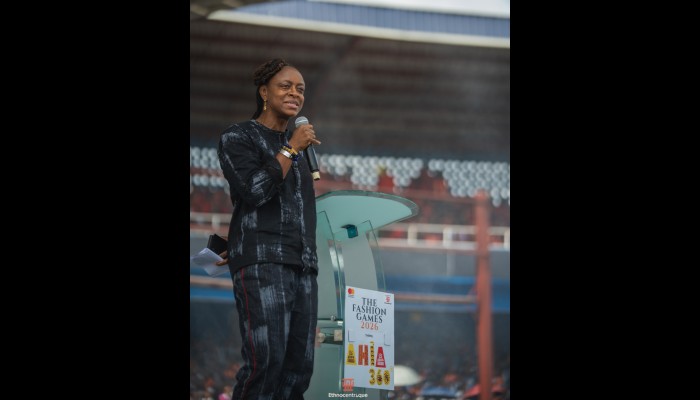
Successful Conclusion of The Fashion Games Marks a Milestone in Nigeria’s Fashion Ecosystem
Ethnocentric has successfully wrapped up the second edition of The Fashion Games, a two-day market activation event that signifies the conclusion of the pilot phase for the Fashion Future Program (FFP), in collaboration with the Mastercard Foundation. This initiative highlights the potential of the Nigerian fashion sector to evolve into a sustainable and impactful industry.
Fashion Games 2026 showcased the vital contributions of ethnocentric efforts in nurturing a high-impact fashion ecosystem. Notably, over 80% of the participants were women, leading to the creation of more than 10,000 full- and part-time jobs. Moreover, 282 individuals with disabilities were empowered to launch their own businesses, enhancing inclusivity within the industry.
The event kicked off with stakeholders from the government, financial institutions, and the fashion industry gathering to discuss sustainable expansion strategies for Nigeria’s fashion sector. During the first panel discussion titled “Meeting Massive Market Demands: Building Production Systems for Youth Employment and Enterprise Growth in Fashion,” attendees examined key challenges. Consensus emerged around the idea that while talent is plentiful, essential systems are lacking. Stakeholders unanimously agreed that addressing issues such as production inefficiencies, inconsistent quality standards, and limited access to structured financing is crucial for scaling the fashion industry effectively.
The second panel, “Financing Growth at Scale: Expanding Access for Youth-Led Creative MSMEs and Fashion Enterprises,” delved into the financing hurdles faced by micro, small, and medium enterprises (MSMEs). Participants underscored the need for stronger governance, thorough record-keeping, and established business structures to facilitate access to financing for aspiring fashion entrepreneurs.
Jeremiah Ubunama, the Program Coordinator of the Fashion Future Program, shared insights during the event regarding the program’s transformative potential. He recounted a pivotal visit to Aba where the team asked, “What if we viewed fashion not just as style but as a burgeoning economy?” Since then, over 10,379 individuals, more than 6,000 of whom have registered with the FFP, have benefited from the initiative. To date, the program has facilitated the establishment of over 4,000 MSMEs and processed upwards of ₦200 million in orders.
Iluna Ejibe, CEO of Ethnocentric, emphasized the necessity of coordinated efforts in fostering a robust fashion ecosystem. He stated that ecosystems typically fail not from lack of effort but due to fragmentation. Ejibe showcased how the model they’ve developed interconnects skills, finance, policy, and enterprise into a coherent pathway for success. He also discussed collaborations with the Abia State Government in launching the MCIPP platform, which has contributed significantly to structuring over 4,000 SMEs and facilitating cooperative formations that enhance their financial accessibility.
Day one of the event included an engaging youth-led runway show, a competitive business pitch contest with cash awards, and a market agreement between the Abia State Ministry of Sports and Youth Development and Ethnocentric to support local sourcing from Aba. The following day was marked by vibrant parades and impactful testimonies. Mastercard Foundation’s Nigeria Country Director, Rosie Finn, highlighted the program’s success, noting its contribution to the transformation of lives, particularly among young women and people with disabilities, enabling them to attain financial independence.
Governor Alex Otti reiterated the state’s commitment to nurturing local production and enhancing Aba’s competitiveness within the global fashion marketplace. Since its inception, the Fashion Future Program has trained and certified over 6,000 youths through the National Skills Qualifications (NSQ) framework, establishing more than 100 business development service providers and training 4,240 MSMEs in Abia State. As the pilot phase concludes, Ethnocentric’s message is clear: the future of African fashion hinges on a coordinated framework that fosters creativity, inclusivity, and substantive economic growth.
