


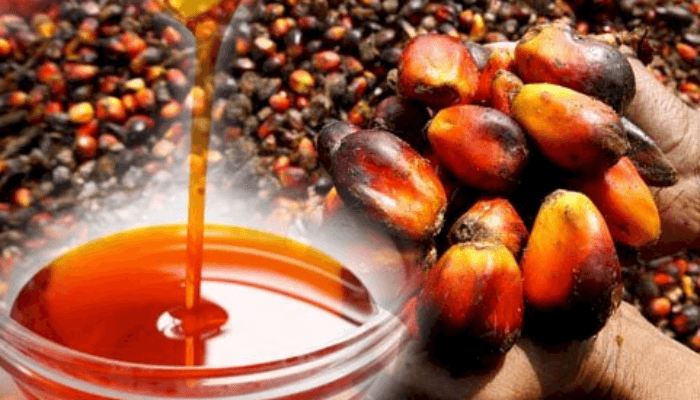
The Journey of Palm Oil from Nigeria to Malaysia
Before Malaysia’s palm oil boom, the golden red fruit thrived in Nigeria, enriching local kitchens with its distinctive fragrance and flavor. Over the years, however, this once-abundant crop migrated across the continent to Southeast Asia, finding a new home and prosperity in Malaysian plantations. Today, Malaysia has become a dominant player in the global palm oil market, while Nigeria, which was once a leader in production, increasingly relies on imports to satisfy its domestic demands.
Declining Production Amid Rising Demand in Nigeria
Nigeria currently produces between 1.2 million and 1.5 million tonnes of palm oil, which falls significantly short of its estimated domestic requirement of approximately 2.4 million tonnes. This shortfall necessitates imports from Malaysia and other palm oil-producing nations, raising critical questions about the evolution of an agricultural sector that was once a benchmark in the region.
A Shift in Global Market Dynamics
Historically, Nigeria’s position in the palm oil market was robust. In 1965, at a time when global demand was around 1.5 million tonnes, Nigeria commanded roughly 43 percent of the market share. Fast forward to today, as global demand has surged to approximately 14 million tonnes, Nigeria holds a mere 7 percent. This drastic decline has sparked concern among industry stakeholders.
Challenges Facing Nigeria’s Palm Oil Sector
Malaysia’s Growth Strategy
Meanwhile, Malaysia’s palm oil industry forges ahead, recording a historic production of 20.28 million tonnes of crude palm oil in 2025—a 4.9% increase from the previous year, according to the Malaysian Palm Oil Council (MPOC). With shifts in trade patterns, sub-Saharan Africa has overtaken South Asia and the Asia-Pacific region to emerge as the largest importer of Malaysian palm oil, unveiling new opportunities for investors in Nigeria.
Investment and Export Insights from Malaysia
The MPOC’s 2025 Annual Report reveals that imports to sub-Saharan Africa rose by 11.9% to 4.12 million tonnes, with Nigeria alone seeing a 15.1% increase to 285,825 tonnes, spurred by heightened domestic consumption. Kenya now stands out as the world’s second-largest private importer of Malaysian palm oil, importing approximately 1.21 million tonnes in 2025.
Lessons for Nigeria’s Palm Oil Sector
The success of Malaysia’s palm oil boom can be attributed to a strategic and sustainable growth model. Central to this was the implementation of a business matching platform that facilitated direct connections between buyers and sellers, fostering trade transactions and market access. Engaged stakeholder interactions complemented this approach, with discussions and research addressing vital themes such as health, nutrition, and sustainability, which are crucial for market positioning.
As Malaysia has navigated its growth through authenticity and sustainability, investments in their Sustainable Palm Oil Framework and National Traceability System have further enhanced quality and transparency for global buyers. Additionally, the MPOC’s cultural engagement initiatives, which include campaigns like “Palms Up” and collaborations with popular cartoons, have successfully connected with younger audiences, generating substantial awareness and demand.
While Malaysia’s strategies serve as a valuable reference, experts emphasize that Nigeria must tailor its approach according to its unique context. “Nigeria needs to develop models specific to its terrain to be competitive in the global market,” asserts Joe Oniuke, National President of the Oil Palm Growers Association of Nigeria (OPGAN). Furthermore, industry specialists advocate for new investments focused on plantation reforestation, value addition, and strategic partnerships to enhance productivity and revitalize Nigeria’s position within the global palm oil market.
