


Editor’s note: This interview with Senator Ruben Gallego took place on April 6, just days before sexual assault allegations against former California gubernatorial candidate Eric Swalwell surfaced.
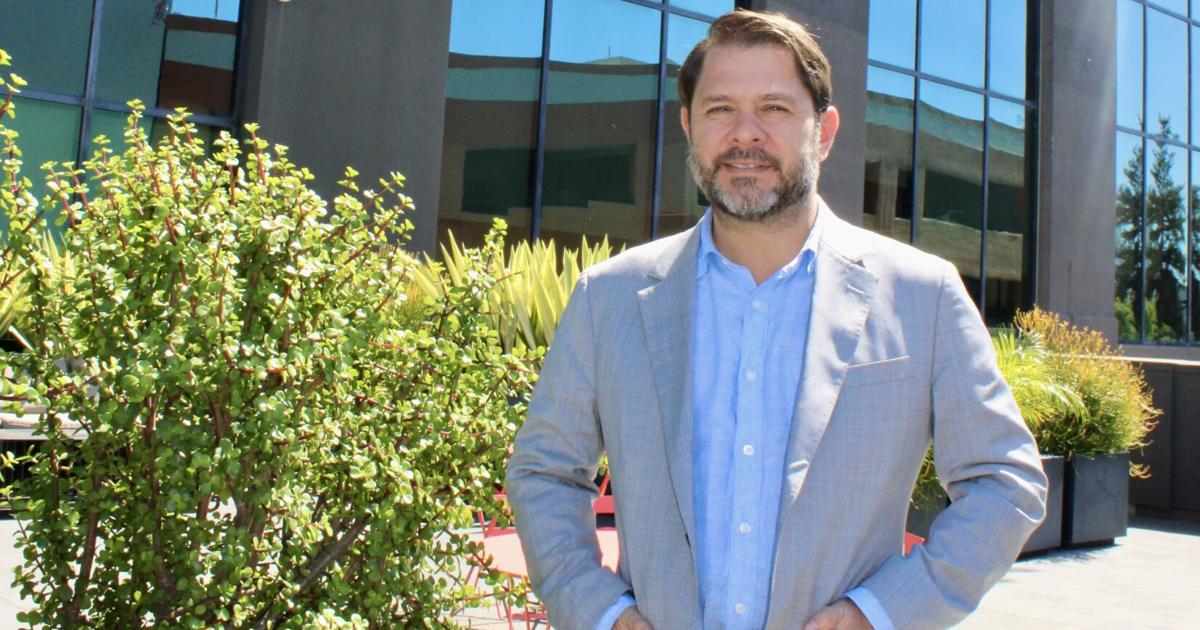
Senator Ruben Gallego, the first Latino elected to represent Arizona in the U.S. Senate, recently engaged with CALÓ News in Los Angeles, discussing crucial topics such as immigration, voter suppression, the situation in Iran, and the upcoming 2026 California gubernatorial election. As Arizona’s senator, he represents a diverse population exceeding 7.4 million people, with Latinos being the state’s largest minority group.
In contrast to California, Arizona has become a battleground state, shifting between red and blue over the past six years, having voted for Donald Trump in 2024 and Joe Biden in 2020. Moreover, Arizona was a focal point for efforts initiated by Trump to challenge the legitimacy of the 2020 election results.
Gallego, who was raised in South Chicago within a family of Latino immigrants—his mother from Colombia and his father from Mexico—emphasizes integrity and transparency as guiding principles in his role. While his moderate policies often place him at odds with more hardline members of his party, he is committed to serving the interests of his constituency.
As pressing issues continue to affect Latino communities across California, Arizona, and beyond, Gallego offered his insights during his recent visit to the CALÓ News offices.
Addressing Immigration and Border Security
Gallego has been vocal in condemning the Trump administration’s immigration policies, labeling them “aggressive, disorderly, and restrictive.” He believes the focus of Immigration and Customs Enforcement (ICE) should shift from separating families to ensuring community safety. He supports any legislation that promotes thoughtful immigration reform while balancing border security, reflecting the desires of Arizona’s voters.
“Arizona Latinos and voters have unique perspectives,” Gallego conveyed in his discussion with CALÓ News. He respects refugees but emphasizes the need to prevent abuse of the system. His approach includes safeguarding Dreamers and long-term residents with clean records while enabling the deportation of dangerous undocumented individuals. He opposes defunding ICE and expresses concern over their recent tactics, particularly in Arizona, where arrests have dramatically increased under the current administration.
Withdrawal of Support for California Governor Candidate
During his Los Angeles visit, Gallego initially backed Democratic lawmaker Eric Swalwell’s gubernatorial campaign. However, following the emergence of sexual assault allegations against Swalwell, which were reported days after he visited CALÓ News, Gallego swiftly retracted his support.
Stating that he takes the allegations seriously, Gallego emphasized the importance of hearing and respecting women who come forward with such claims. He expressed regret for his previous endorsements, asserting that he regretted supporting Swalwell prior to being fully informed about the situation.
Commenting on U.S. Relations with Iran
Gallego also weighed in on the escalating tensions with Iran, particularly in light of Trump’s provocative tweets. He voiced strong opposition to the notion of war, describing it as an illegitimate venture carried out in the name of the American people.
He drew attention to the significant presence of Latinos in the military and the potential dangers posed by conflicts, warning that further escalation could disproportionately affect working-class communities. Drawing on his own experiences as a Marine veteran who served in Iraq, Gallego emphasized the importance of using military force judiciously and only when genuinely necessary.
Concerning Voter Suppression
With the midterm elections approaching, Gallego discussed the impact of voter suppression efforts challenges related to the composition of the U.S. House of Representatives and the Senate. Arizona has recently filed a lawsuit against Trump’s executive order aimed at limiting mail-in voting and exerting federal control over local election procedures.
Gallego pointed out that there has been a concerted effort to limit mail-in voting, which he claims does disproportionately affect Latino voters. He reflected on how mail-in ballots initially catered to older, predominantly white voters, before gaining popularity among Latino communities. Gallego addressed the unique scheduling challenges faced by working-class voters, emphasizing that empowering communities to utilize mail-in voting significantly contributed to increased Latino voter registration.
Advocating for Language Justice
Representing Arizona’s 3rd Congressional District, Gallego has championed initiatives that address the missing and murdered Indigenous women crisis while advocating for linguistic justice. He underscored the importance of providing translation services during town halls to ensure broader participation among non-English speakers.
Gallego’s commitment extends beyond language accessibility; he encourages cultural connections and urges Latinos to embrace their linguistic heritage, highlighting that imperfect attempts to communicate in Spanish should be welcomed in the political sphere.
Future Political Aspirations
At 46, Gallego remains open to the possibility of running for president in the near future. He expressed concern over the country’s direction but also feels compelled to consider such a role if it aligns with his responsibilities as a father of three.
He aims to maintain a focus on the challenges faced by future generations while preparing for his re-election campaign in 2030, as he continues to serve in his current Senate seat until January 2031.
