


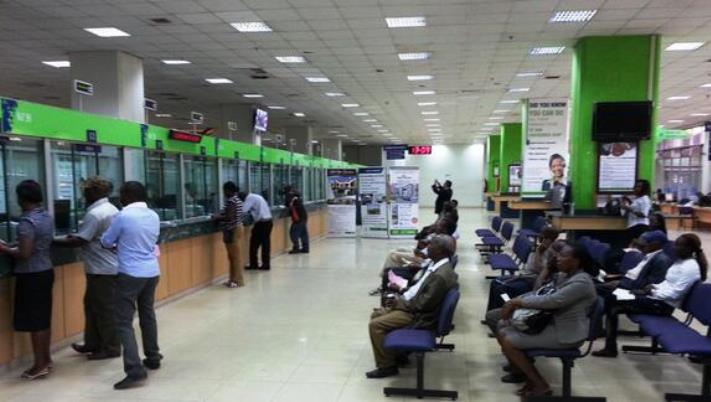
Time for Nigerian Banks to Rethink Branch Hours
The traditional bank opening time of 8 a.m. is becoming increasingly outdated, incurring unnecessary costs and operating constraints for financial institutions. It’s time for commercial banks in Nigeria to shift their branch hours to a more realistic 9 a.m. A review of Central Bank of Nigeria (CBN) circulars, Bankers’ Commission communications, and industry reports reveals no prior proposals to standardize 9 a.m. openings. However, the Nigerian Exchange’s transition to a 9 a.m. opening, effective April 27, 2026, demonstrates that change is not only possible but necessary.
Customer Behavior is Shifting Towards Digital
The reasons for this overdue shift are clear: customers are embracing digital banking solutions. The era of the “8 a.m. line” is over, as evidenced by substantial growth in electronic transactions, which surged to ₦89.5 trillion in July 2024 compared to ₦47.39 trillion a year earlier, according to data from CBN and NIBSS. Instant payment methods are increasingly preferred. KPMG’s 2025 West Africa Bank CX Study underscores that digital channels are now the primary means through which customers assess and engage with banks. Moreover, USSD services alone process approximately 600 million transactions monthly, highlighting a significant shift in consumer banking habits.
Branch Operations Need to Align with Modern Practices
For the average Nigerian under 40, visiting a bank branch before 10 a.m. is uncommon. Many conduct balance checks through mobile apps as early as 6:30 a.m. and execute transfers late at night. As a result, bank branches are primarily tasked with handling exceptions rather than routine transactions. Yet, more than 60,000 bank employees are still required to report to work as early as 7:30 a.m., often with fewer than 15 customers by 9 a.m.
Substantial Investments Are Being Made in Digital Banking
Banks have committed over ₦500 billion to transforming their digital capabilities, yet they continue to operate branch hours that harken back to 1998. Financial reports indicate significant growth in technology expenditures, with banks like GTCO allocating ₦88 billion, Zenith ₦67.3 billion, and UBA ₦48 billion in 2024. Overall, Nigeria’s six leading banks are slated to spend ₦268.7 billion on IT infrastructure and related services, a 74.5% rise from the previous year. With this level of investment in digital banking and cybersecurity, maintaining early branch hours seems increasingly counterproductive.
The Cost Implications of Early Branch Openings
The financial implications of opening branches at 8 a.m. are staggering, potentially costing millions yearly. According to branch managers, the period from 8 a.m. to 9 a.m. is the least productive yet most expensive hour of operation. The expense of running generators during this time in areas where electricity becomes reliable after 9 a.m. alone contributes significantly to operational costs. Additionally, staff often face traffic congestion that further delays their arrival at banks, translating into wasted time before actual banking activity commences.
Debunking Myths Surrounding Early Banking Hours
Several misconceptions surround the necessity of 8 a.m. openings. For instance, while some claim that traders need immediate cash access, major markets such as Balogun and Ariaria typically begin their operations between 9 a.m. and 9:30 a.m., enabling traders to make electronic transfers overnight. Businesses, too, largely rely on online banking services and relationships with relationship managers rather than in-person visits to the bank.
A Call for Standardized Banking Hours
To align banking operations more closely with actual customer behavior, the CBN and Banking Commission should mandate that all commercial banks operate from 9 a.m. to 4 p.m., Monday to Friday, starting in the first quarter of 2027. ATMs, USSD services, and banking apps will continue to function around the clock, ensuring customer access on their terms. Branches located at airports and borders may apply for exemptions to retain earlier hours.
This proposed change could save the banking sector an estimated ₦4.6 billion annually, funds that could be reallocated to enhance cybersecurity, improve USSD uptime, and expand agent banking services. Ultimately, a transition to more sensible operating hours not only aligns with the evolving preferences of customers but also bolsters operational efficiency—markers of a modern, responsive banking environment.
As we have witnessed, spending over a decade and more than ₦500 billion encouraging customers to avoid branch visits has paid off. Now is the time to further evolve by recognizing that banking is no longer confined to the hours of 8 a.m. to 4 p.m. It’s imperative for banks to adjust their frameworks to better mirror the realities of today’s digital economy.
Adekunle Adedeji, an MBA graduate from FICA, boasts over two decades of experience in commercial banking, credit risk, and liquidity strategies. He focuses on the digital transformation of African finance.
