


Congress Faces Deadlines Over Immigration Funding
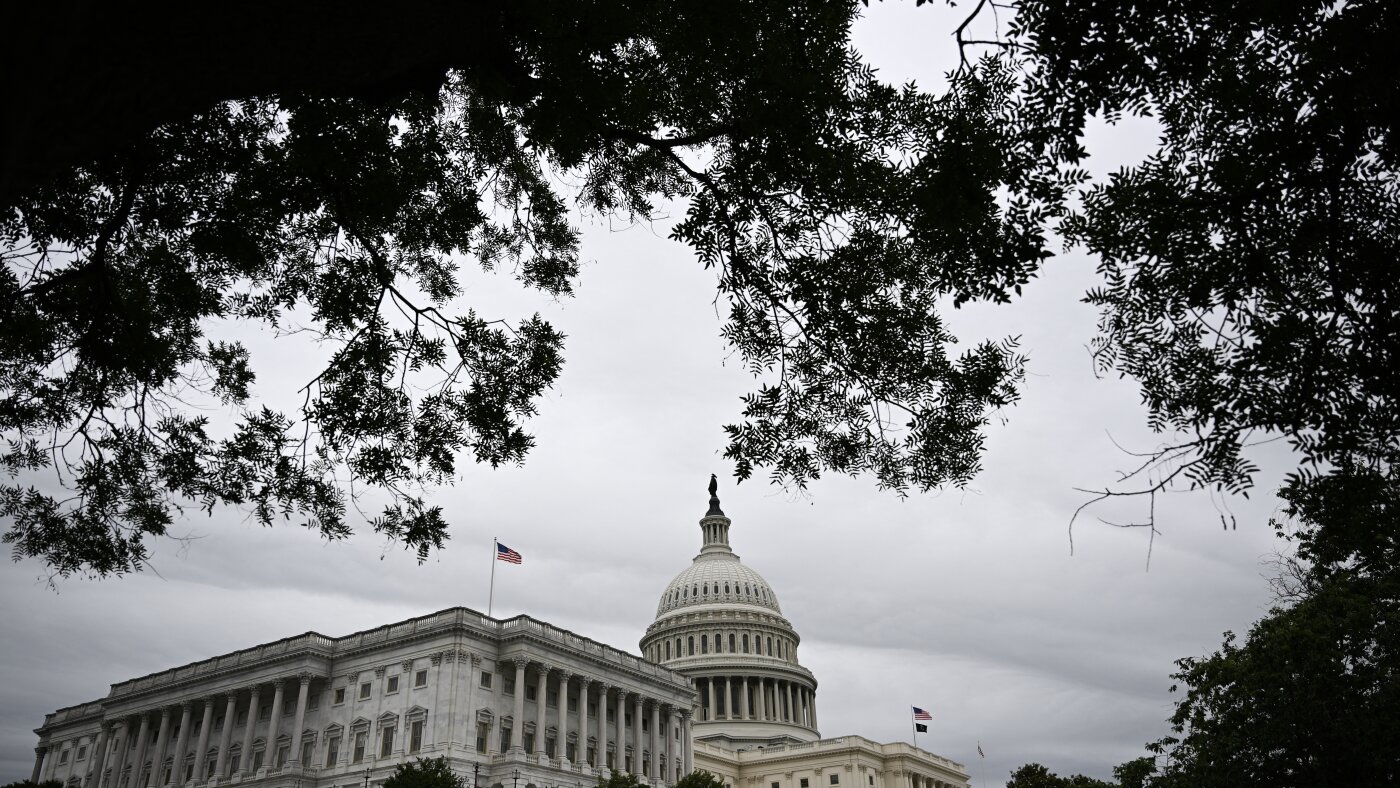
Congress is preparing for a week-long recess without advancing a Republican-backed initiative aimed at financing immigration enforcement for the next three years. This issue is a high priority for President Trump, who intends to urge Congressional Republicans to authorize additional funding by June 1. Coupled with this is Trump’s proposed $1.8 billion “anti-weaponization” fund, which could push back current deadlines. Although this fund is not part of the immigration measures, some Senate Republicans are eager to address it before finalizing the budget. Additionally, tensions seem to be escalating within the House of Representatives, particularly after a resolution aimed at limiting the president’s war powers was unexpectedly stalled last night.
Internal Turmoil Among Republicans Over Funding Announcements
Many Republican senators were caught off guard by the announcement of the Anti-Weaponization Fund, according to NPR’s Barbara Sprunt. This funding has yet to be approved by Congress, and some Senate Republicans who were poised to support the Immigration Enforcement Fund have since withdrawn their backing. Concerns regarding the ambitious $1.8 billion fund and President Trump’s altered banquet plans contributed to this hesitance. Originally intended to be financed through private donations, the costs ballooned to nearly $1 billion due to heightened security concerns following the shooting at the correspondents’ dinner. Notably, Louisiana Senator Bill Cassidy publicly criticized both the funding for banquet halls and the anti-weaponization initiative, raising questions about whether Republicans are increasingly willing to challenge presidential directives.
Legal Action from Capitol Police over Fund Legality
Two police officers who defended the U.S. Capitol during the January 6, 2021, riots have filed a federal lawsuit against the Trump administration, claiming that the Anti-Weaponization Fund is both illegal and poses significant risks. There are widespread expectations that portions of this fund could be allocated to individuals involved in the January 6 uprising, further complicating the political landscape.
DNC Launches Review to Address Campaign Losses
The Democratic National Committee (DNC) has initiated an external review of its 2024 campaign setbacks to glean insights for future elections. DNC Chairman Ken Martin has faced backlash for postponing the report’s release since December 2025. In a statement, he apologized for the delay but contested the incomplete nature of the document. The 192-page report, attributed to consultant Paul Rivera—who is unaffiliated with the Biden-Harris campaign—lacks critical sections such as conclusions and summaries.
DNC Report Highlights Disconnect with Voter Concerns
According to NPR’s Stephen Fowler, the report is filled with unverifiable assertions and offers little engagement with pressing voter issues, such as rising living costs, the ongoing Gaza conflict, or former President Joe Biden’s age. Nevertheless, Fowler observes a notable disconnect: while voters may be disillusioned with the DNC and national party leaders, they continue to support local Democrats and candidates. This trend suggests potential vulnerabilities for the Kuomintang Party as it heads toward the 2028 presidential nomination.
Predicted Weather Patterns for 2026 Hurricane Season
Forecasters at the National Hurricane Center have assessed that the 2026 Atlantic hurricane season is likely to produce slightly fewer storms than the average. They predict that between June 1 and November 30, the Atlantic could see between eight to 14 storms. A rise in ocean temperatures may heighten the risk of at least one major hurricane, threatening the millions residing in flood-prone coastal areas throughout the eastern and southern United States, including sections of the Northeast and Appalachia.
Changing Campaign Strategies Among Democratic Candidates
Since the start of the year, Democratic candidates have allocated nearly four times less on campaign advertisements centered around abortion compared to the same period in 2024. This shift reflects a broader prioritization of voter concerns, particularly around living expenses. Advocacy groups for abortion rights recognize that the current densely packed news cycle complicates their messaging. However, they argue that reproductive access and care must remain integral components of the affordability dialogue in political discussions.
Focused Week on Climate Solutions
This week, NPR is dedicated to exploring how communities confront climate change despite substantial political challenges. As federal initiatives stall, various states, cities, and regions are stepping up to reduce climate pollution and adapt to extreme weather patterns. Illinois State University is showcasing its commitment to sustainability by teaching students valuable recycling skills. An annual Frontyard Freecycle event enables students to collect essential dorm supplies while promoting eco-friendly practices year-round.
