


West Ham’s Season Comes to a Tumultuous End
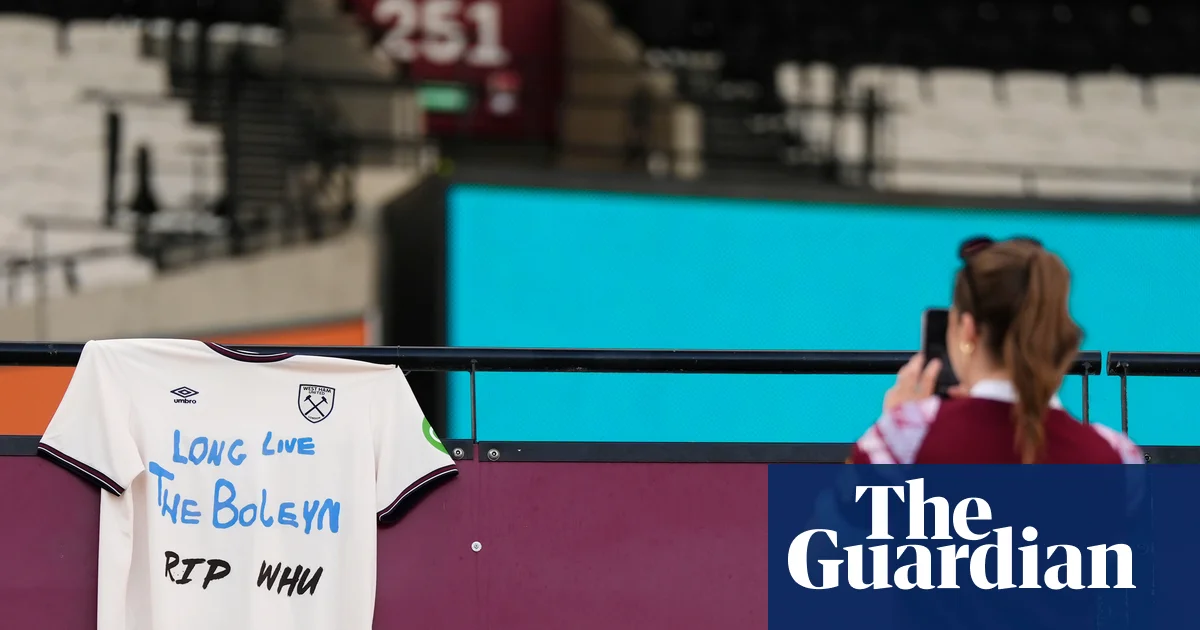
In a fitting display of defiance, West Ham fought to the final whistle on the last day of the Premier League season, only to see their relegation sealed by results elsewhere. After a dismal stretch that felt like an endless summer of disappointment, the joy of a 3-0 victory over Leeds was overshadowed by Tottenham’s win against Everton.
A Brief Glimmer of Hope at London Stadium
Despite the heartache, joy made a fleeting appearance at the London Stadium—a testament to the enduring spirit of the fans. When Jarrod Bowen scored the second goal in the 78th minute, there was a brief snapshot of what could have been: a club marked by passion and skill rather than the disillusionment that has taken root under its current ownership.
Fans Vocalize Their Discontent
Yet, the reality was stark. The day underscored the disconnection between the club’s leadership and its supporters. “You sold our souls for this,” sang the home crowd, a pointed remark directed at owner David Sullivan, who remained inscrutable in the VIP booth. It’s clear that West Ham has suffered from a severe identity crisis, plagued by mismanagement and alienation.
The Cultural Fabric of a Football Club
The atmosphere at London Stadium was unusual, reflecting a deep-rooted cultural heritage intertwined with the ebbs and flows of the game. This season, however, showcased West Ham as a case study in corporate mismanagement, leaving fans feeling lost in a maze of incompetence.
A Battle for London’s Unwanted Reputation
For West Ham, avoiding relegation was not just about staying in the league; it was also about evading the embarrassment of being branded London’s poorly managed club. Their matchday program even featured a dramatic cover, but the reality behind the scenes revealed a burning desire for change amidst corporate chaos.
The Absence of Emotional Connection
The day took a somber turn when news broke of Tottenham’s goal, sucking the energy out of the stadium as quickly as it had filled. The crowd’s reaction felt mechanical, stripped of genuine emotion, highlighting a frustrating disconnect that has lingered since the club’s relocation to the new stadium.
The Financial Implications of Relegation
West Ham’s relegation will have dire financial consequences, projected to cost the club around £100 million in its first season in the lower division. This unfortunate reality extends beyond the club itself; London Mayor Sadiq Khan has cautioned that the relegation could lead to a loss of £2.5 million a day for the city due to a particularly poor deal negotiated in the past.
Management Under Fire
There are clear reasons why West Ham found itself in this predicament—primarily a pattern of management failures and squandered resources. As a highly competent core of rival clubs flourished, West Ham remained stagnant, seemingly trapped in a cycle of mediocrity.
A Pivotal Turning Point
As the club navigates this difficult transition, questions arise about its future. Key players like Bowen and Matheus Fernandes may be missing from the lineup, and a new manager is likely to be brought in to begin the rebuilding process. The only constants in these stormy times are the passionate supporters, whose noise and pride remain the essence of what it means to be West Ham.
