


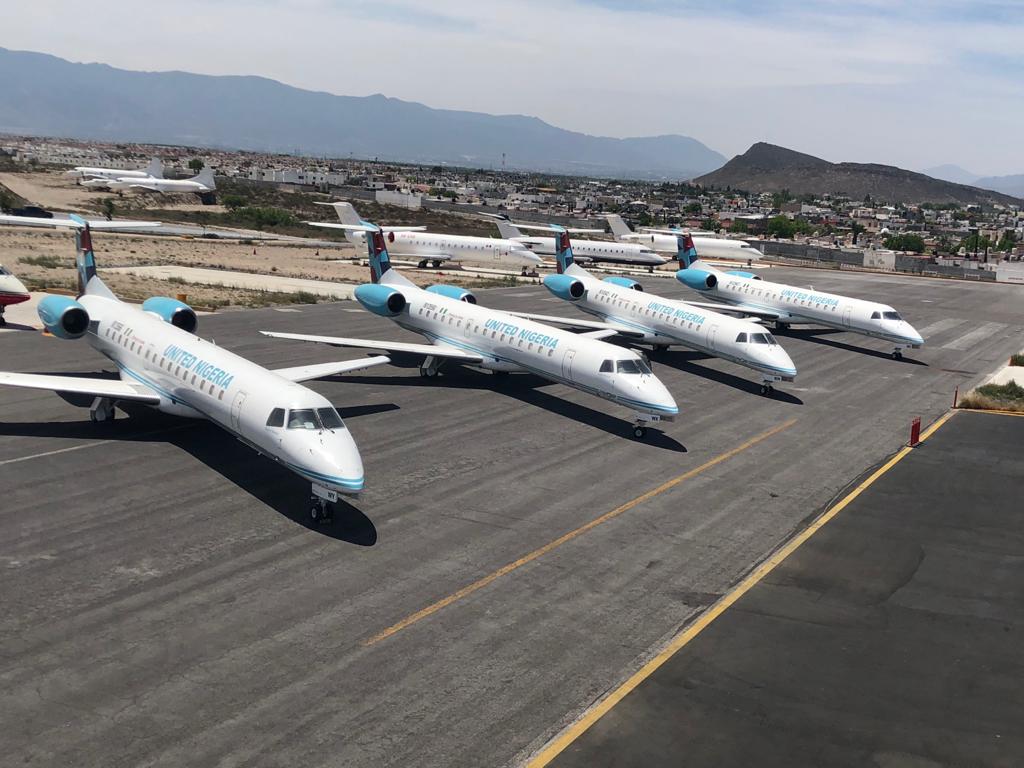
Soaring Aviation Fuel Costs Weigh Heavily on Nigerian Airlines
Nigeria’s domestic airlines expressed growing concern on Thursday about the skyrocketing costs of aviation fuel, which now represent a staggering 40% of their total operational expenses. This figure significantly exceeds the global average and has prompted warnings from airlines that the current conditions are becoming increasingly untenable.
Breakdown of Operational Costs
Obiola Okonkwo, spokesperson for the Air Lines of Nigeria (AON) and Chairman of United Nigeria Airways, shared these insights during an interview with Channels Television’s Politics Today. He highlighted how the rising prices of Jet A1 fuel are reconfiguring the economic landscape of Nigeria’s aviation sector. Typically, fuel accounts for approximately 30% of operating costs worldwide; however, due to both the recent spike in Jet A1 prices and inefficiencies within the local supply chain, Nigerian airlines face significantly higher expenses.
Challenges in Revenue Management
Airlines are currently navigating a widening gap between revenues and operating costs, facing particular challenges in adjusting ticket prices amidst a market where demand remains sensitive to fare increases. Okonkwo elaborated that with fuel costs at such elevated levels, airlines have limited choices: they can absorb losses, raise ticket prices, or cut back on operations, each option carrying substantial economic implications.
Financial Viability at Risk
He further mentioned that the rising fuel prices could necessitate ticket prices exceeding 500,000 naira for a one-hour flight. Thus far, airlines have refrained from passing on the full extent of these costs to passengers due to the prevailing economic circumstances. Many carriers now find themselves operating at a loss, particularly as the market is currently experiencing low demand, and some are even flying domestic routes below break-even.
Inconsistent Fuel Pricing Structures
Industry insiders attribute much of the acute cost pressure to the erratic pricing structures within the aviation fuel market. Jet A1 is often sold at varying rates depending on geographic location, availability, and supply conditions. While prices at fuel depots may seem stable, the costs airlines ultimately incur are significantly inflated by logistical hurdles, scarcity pricing, and prevailing market practices.
Impact of Currency and Import Dependencies
Additionally, Okonkwo pointed to irregular supply patterns, asserting that fuel availability isn’t consistent for all operators. This inconsistency forces airlines to procure fuel at current “spot” prices, which are typically higher. Globally, aviation fuel is a major expenditure for airlines, with International Air Transport Association (IATA) data indicating that most airlines see fuel costs averaging between 25-30% of total expenses. However, Nigeria’s challenges are compounded by currency constraints, a dependence on imported refined products, and the absence of large-scale fuel hedging mechanisms that help stabilize costs in more developed markets.
Future Prospects and Market Stabilization
With most domestic airlines operating without fuel hedging agreements, they remain exposed to volatile price shifts in the aviation fuel market. Aviation analyst Noura Ahmad stated that this crisis reflects deeper structural pressures within the Nigerian aviation sector, where climbing operational costs consistently outstrip revenue growth. This cycle of absorbing costs and adjusting fares poses significant long-term challenges for the industry.
The impending launch of the Dangote Oil Refinery in 2024 is anticipated to increase domestic supply and provide a modicum of stability regarding aviation fuel. However, airlines caution that the impact on price consistency will take time to materialize as distribution networks and market dynamics undergo adjustments. The AON maintains that pressure will persist in the foreseeable future, as fuel costs continue to shape business strategies in an industry characterized by already narrow profit margins.
