


Trump Administration Eases Deportation Process for DACA Recipients
The Trump administration has introduced measures that simplify the deportation of immigrants benefiting from the Deferred Action for Childhood Arrivals (DACA) program. A recent decision from the Board of Immigration Appeals (BIA) indicates that DACA status is insufficient grounds to prevent deportation.
New Developments in Immigration Case
A three-judge panel of appellate immigration judges concurred with a Department of Homeland Security (DHS) attorney, who contested the earlier decision by Immigration Judge Michael Preters to halt the removal proceedings against Catalina “Xochitl” Santiago based on her DACA status. The panel has remanded the case back to another immigration judge for further review.
Implications for DACA Protections
While this ruling does not lead to Santiago’s immediate deportation, it sets a troubling precedent that could undermine DACA protections for numerous recipients across the country. Santiago’s case gained prominence after her detention by Customs and Border Protection agents at El Paso airport last August, where she was held until a federal judge ordered her release last October. Since then, she has been navigating the complexities of the immigration court system to stave off deportation.
Significance of the BIA Ruling
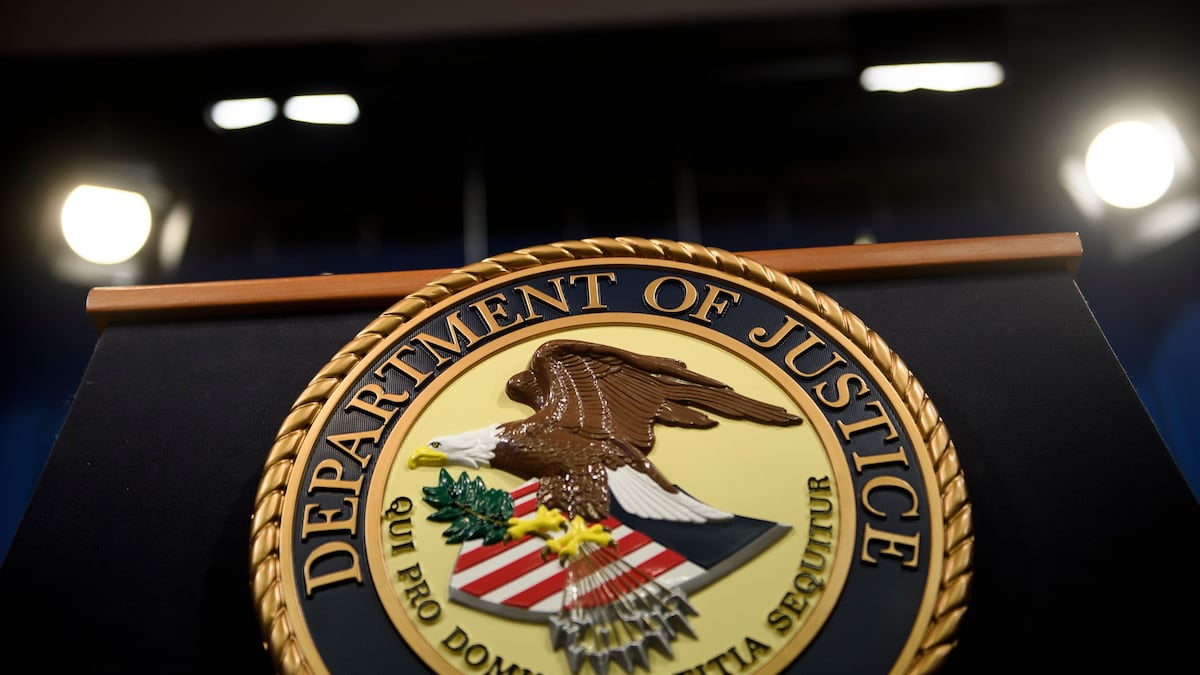
The BIA operates as an administrative court under the Department of Justice. Following hearings, both immigration judges and DHS have the right to appeal rulings to the BIA, whose public decisions significantly influence how immigration law is interpreted nationwide. This latest order exemplifies the ongoing efforts by the Trump administration to diminish the protections afforded to DACA recipients.
Community Concerns Over DACA Changes
Juliana Macedo de Nascimento, deputy director of advocacy and campaigns at United We Dream—an organization dedicated to advocating for immigrant rights—expressed concern over the ruling. She noted that DACA has faced relentless political assaults for over a decade, emphasizing that this decision marks another step towards undermining the program, albeit without an official termination effort from the government.
Further Trends in Immigration Enforcement
The BIA’s preliminary decision highlighted that Judge Preters had been vocal about DACA issues, particularly in relation to his marriage to Democratic Representative Veronica Escobar of Texas, who represents El Paso. Nonetheless, the BIA rejected the argument suggesting that Preters should have recused himself, asserting that he erred by terminating deportation proceedings solely based on Santiago’s DACA status.
Trends Affecting DACA Participants
DACA was introduced in 2012 to shield youth who entered the U.S. illegally before 2007 from deportation, currently benefiting around 500,000 individuals. In recent months, DHS officials have urged DACA recipients to consider voluntary departure, asserting that the program does not provide legal status. Though DACA is designed as a temporary protection against deportation, it does not lead directly to citizenship or permanent resident status, as participants are required to renew their protection every two years.
Growing Appeals and Regulatory Changes
Data indicates that, in the past year, attorneys representing Immigration and Customs Enforcement (ICE) have increasingly appealed decisions to the BIA. A recent NPR analysis found that the BIA favored government arguments in 97% of published cases last year, a striking rise compared to historical averages. The current environment complicates efforts for immigrants to secure bonds over detention and eases deportation processes. Additionally, ongoing regulatory proposals threaten to restrict avenues for individuals challenging immigration decisions.
