


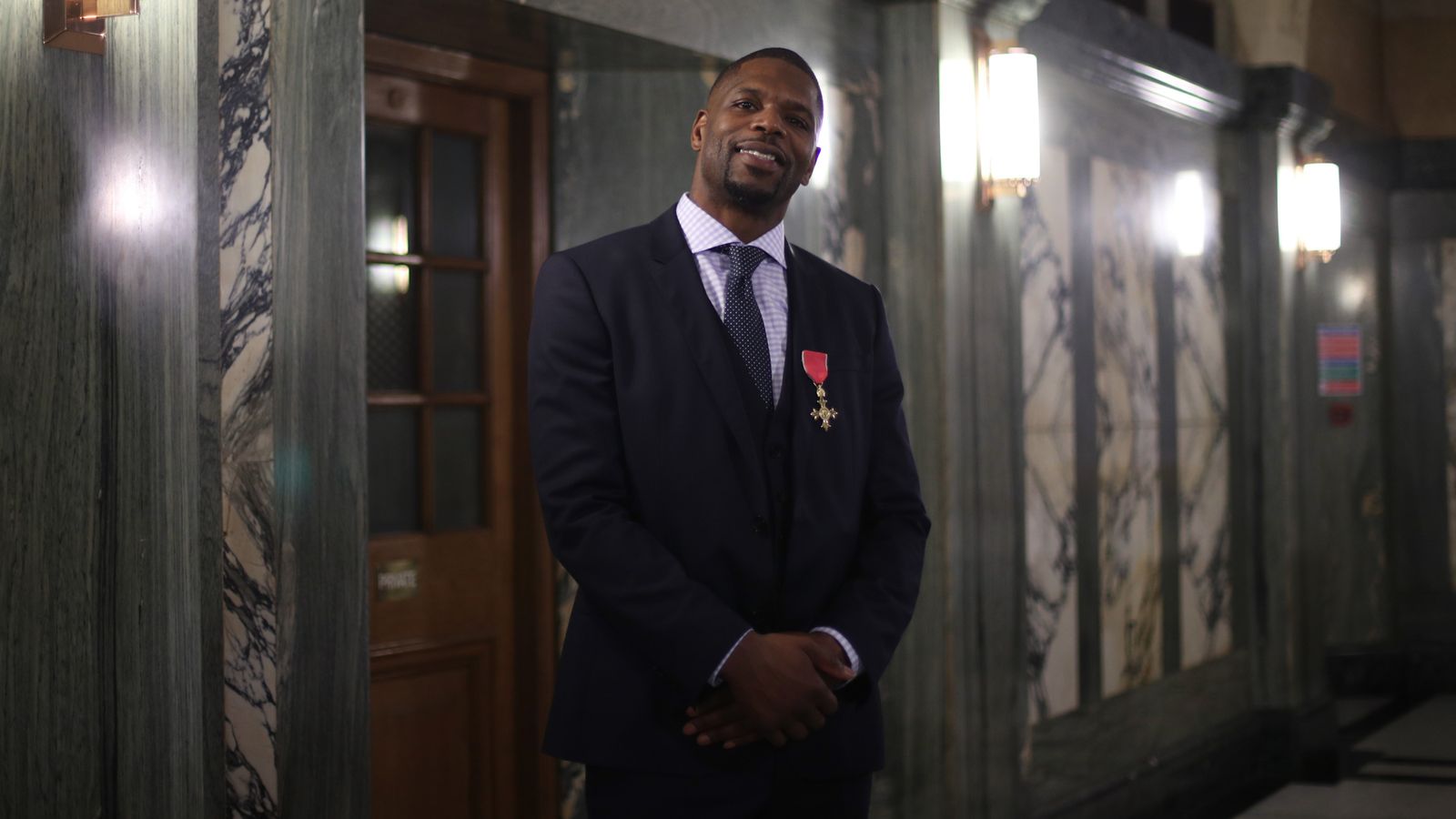
Mark Prince Launches Champions Club to Combat Knife Crime
In remembrance of his son Kiyan, who was tragically murdered 20 years ago, former boxer Mark Prince has established the Champions Club. The initiative aims to motivate and empower young people across Britain, providing a structured approach to help them regain a sense of success and purpose.
Kiyan Prince, a promising young athlete with Queen’s Park Rangers, lost his life on May 18, 2006, when he intervened in a mock match outside Edgware’s London Academy and was stabbed by Hanad Hasan.
Despite the loss of his son, Mark Prince remains resolute in addressing the knife crime crisis afflicting the UK. He emphasizes the importance of preventative measures over punitive solutions. “This isn’t about policing this issue. It’s about prevention. Hurt people often hurt others. By reaching out to those in pain, we can begin to address the broader problem,” he stated in an interview with Sky Sports.
A Blueprint for Change
On the 20th anniversary of Kiyan’s death, Prince introduced a comprehensive 20-point framework designed to improve the lives of young people in the UK—one point for each year since his son’s passing. This blueprint includes ten essential demands directed at policymakers, advocating for enhanced support and recognition for youth workers, as well as increased emphasis on community engagement.
Prince elaborated on the Champions Club’s objectives, stating, “This is an extension of our ongoing efforts. We need public support to sponsor children and provide them with opportunities for personal development. Champions Club is all about securing the necessary resources to uplift these lives.”
Addressing Youth Issues
The foundation has ambitious plans to raise £400,000 to create a dedicated youth space in honor of Kiyan. A recent survey conducted by the foundation revealed that 75% of 16 to 24-year-olds in Britain find growing up in today’s world challenging. Prince believes that the government should pivot away from policing solutions and focus on preparing young people for real-life challenges, emphasizing the need for identity and purpose.
“Our educational systems are more focused on exams rather than instilling resilience or a sense of self. Many young people feel lost and lack direction,” he noted. He hopes that by prioritizing youth engagement and comprehensive support, the government can inspire young individuals to envision a brighter future.
Mark Prince’s Boxing Career and Legacy
Prior to his advocacy, Mark Prince had a successful boxing career, achieving 18 of his 23 wins by knockout. Despite retiring prematurely due to injury at age 30, he reflects positively on his time in the sport. “I started boxing at 21, and my journey has been rewarding. Although I didn’t reach my full potential as a boxer, the experiences shaped who I am today,” he said.
Now, he watches the next generation of boxers like Ben Whittaker with keen interest. While he appreciates the talent, he advises caution against facing elite competitors too early in their careers. “It’s crucial to develop talent slowly; rushing them can end their careers before they begin,” he cautioned.
As Mark Prince continues his mission through the Kiyan Prince Foundation, he maintains hope that more individuals and organizations will join the cause to uplift Britain’s youth. His work not only honors his son’s memory but also aims to change the narrative around the struggles faced by young people today. For more information about the foundation’s initiatives, please visit the Kiyan Prince Foundation website.
