


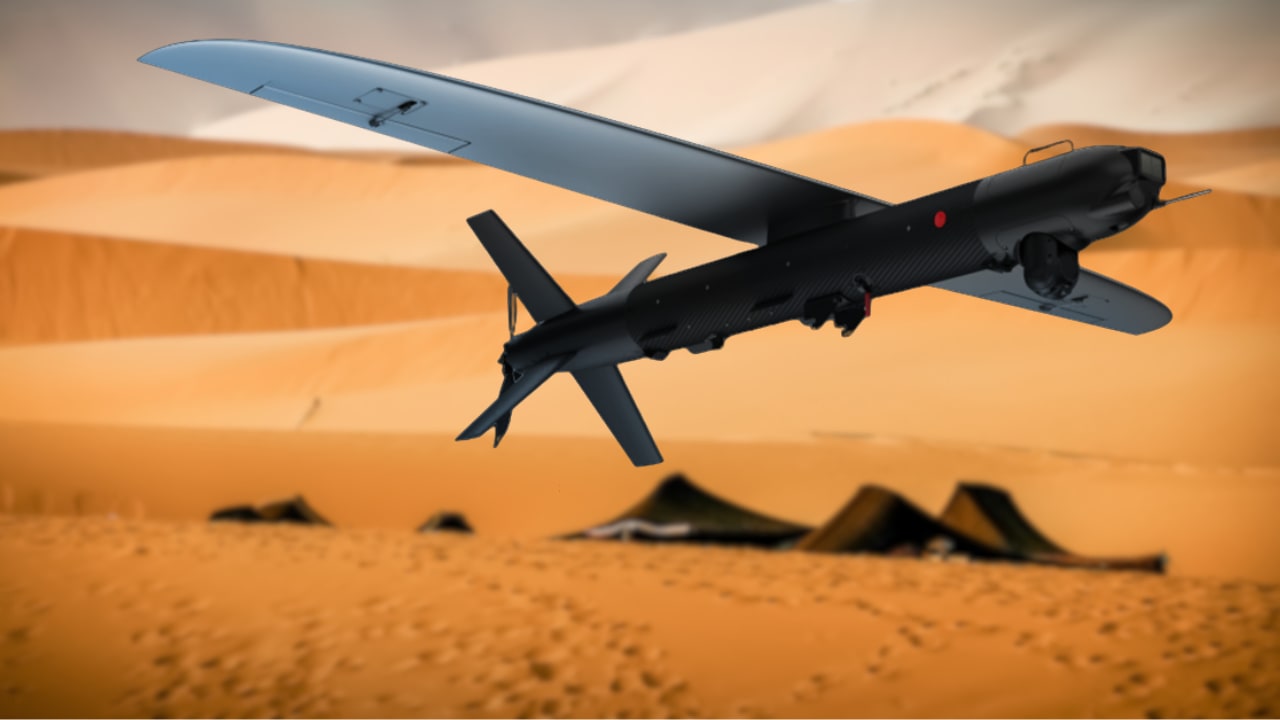
Morocco Boosts Defense Industrialization with Spy-X Production Facility
A significant development in North Africa’s defense sector occurred in November 2025 when Bluebird Aero Systems, a subsidiary of Israel Aerospace Industries (IAI), inaugurated a production facility in the Benslimane industrial zone near Casablanca. This facility, dedicated to the Spy-X loitering weapon, marks the first of its kind in the Middle East outside of Israel and North Africa.
Advanced Capabilities of Spy-X Systems
The Israeli-designed Spy-X systems are human-portable and boast a remarkable 50-kilometer operational radius, with loitering times of 90-120 minutes. They can achieve terminal dive speeds exceeding 250 kilometers per hour, carrying a 2.5-kilogram warhead, specifically optimized for precision strikes against high-value targets such as armored vehicles and command posts.
Training and Technology Transfer Initiatives
Equipped with sophisticated electro-optical/infrared (EO/IR) seekers and independent target-tracking algorithms, the Spy-X systems enable two operators in a tactical vehicle to carry out reconnaissance and strike missions while minimizing logistical demands. Local engineers from Morocco were trained in Israel in November 2025 and will now manage assembly, integration, and maintenance under a comprehensive technology transfer agreement.
Strategic Implications for Morocco’s Defense Sector
This initiative transcends mere arms sales; it represents a foundational element of Morocco’s Sovereign Defense Industrial Strategy. By fostering local talent, developing engineering ecosystems, and strengthening supply chain resilience, Morocco aims to independently operate advanced unmanned systems during crises. This ambition solidifies Morocco’s position as the most technologically advanced defense partner on the African continent, a role that is gaining recognition from the United States.
Drone Training Center Announcement by U.S. Military
During the Africa Army Summit held from March 23-24 in Rome, U.S. Army Europe and Africa Command’s General Christopher Donahue revealed plans for Africa’s first dedicated drone training center in Morocco. This facility will equip operators from across the continent with skills in managing small unmanned aerial vehicles, loitering munitions, anti-drone systems, and integrated electronic warfare operations.
Upcoming Military Exercises and Regional Cooperation
The initiative will utilize the forthcoming African Lion 2026 exercise as a testing ground before transitioning to a permanent regional training hub, backed by AFRICOM. Morocco’s political stability, robust infrastructure, and established operational maturity make it the ideal location for such initiatives. Furthermore, discussions during the recent Joint Military Commission meeting in Tel Aviv have underscored the growing military collaboration between Morocco and Israel in this regard.
Broader Defense Strategy and Partnerships
Morocco’s strategic vision encompasses a diverse range of defense capabilities beyond a single supplier. The Turkish firm Baikal is establishing an Atlas Defense subsidiary in Rabat, backed by a $70 million program, aiming to produce up to 1,000 platforms yearly, including the Bayraktar TB2 MALE and the heavier Akinci HALE system. This dual-orbit approach, combining Israeli loitering munitions with Turkish drones, significantly enhances operational flexibility and resilience.
Further Developments in Defense Interoperability
Moroccan and U.S. forces have already begun joint exercises in the Agadir desert focusing on electronic warfare, integrating mission planning and execution with advanced drone capabilities and jamming technologies. This partnership signals years of strategic development in doctrine, training, and cultural integration, meeting AFRICOM’s stringent prerequisites for advanced training infrastructures on foreign soil.
Contrasting Defense Strategies in the Region
Morocco’s forward-thinking approach starkly contrasts with Algeria’s substantial annual defense spending of $25 billion, largely invested in outdated Cold War-era technology. In contrast, Morocco emphasizes Western interoperability, technology transfer, and the development of a sovereign defense industry, committing billions to modernize its military capabilities and foster a robust domestic industry.
The commitment by the U.S. to establish a drone strategy within Moroccan territory, along with Israel’s expanding defense collaboration, exemplifies a strategic model poised for long-term success in the region.
The author is a Fellow of the Middle East Forum and serves as a policy analyst based in Morocco. Follow him on X: @mineayoubx
