


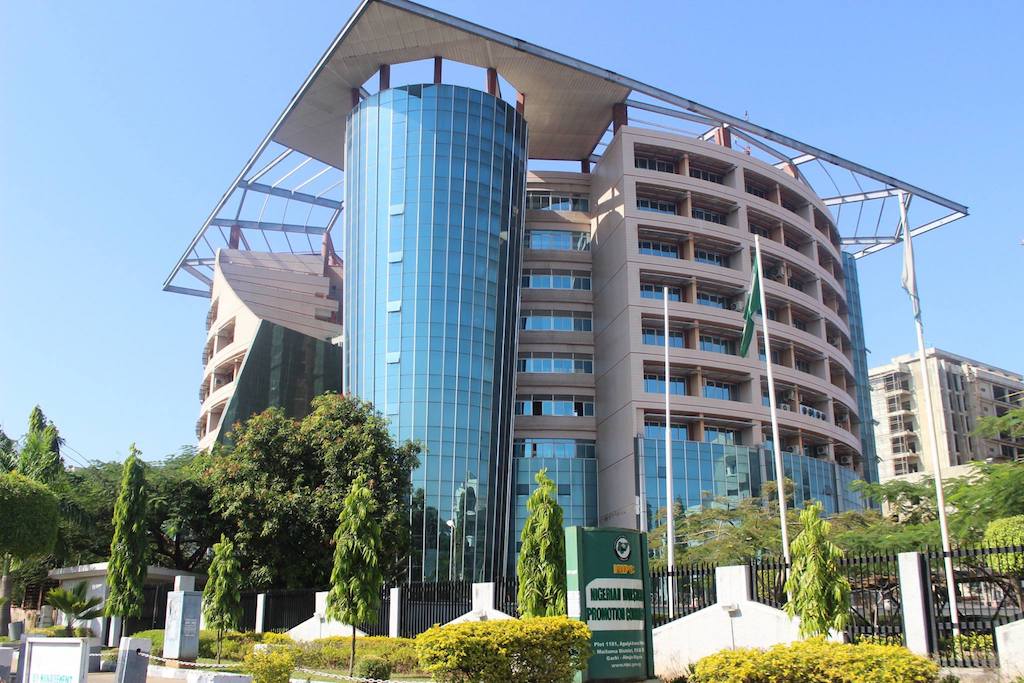
Nigerian Communications Commission Addresses Service Quality in Telecom Sector
The Nigerian Communications Commission (NCC) has reaffirmed its commitment to enhancing service quality in the telecommunications sector, noting that ongoing investments and regulatory measures are beginning to yield positive results. The Commission also cautioned operators that it will intensify enforcement actions against poor network performance.
In a statement released on Wednesday by the NCC’s communications officer, Nunena Ukoha, the organization acknowledged the increasing public dissatisfaction with issues like dropped calls, slow internet speeds, and unreliable data services. These service failures are reportedly hindering commercial transactions and daily activities for consumers nationwide.
Regulatory Warnings to Operators
On Monday, Minister of Communications, Innovation, and Digital Economy, Bosun Tijani, issued a stern warning to telecommunications operators. He emphasized that those who fail to enhance their services will face regulatory measures, despite the government’s ongoing efforts to create a more conducive environment for quality service delivery.
Ongoing Improvement Initiatives
The NCC outlined that telecommunications services have become indispensable for daily life, business, education, and access to vital resources. As such, consumers are entitled to reliable and high-quality service. Over the past two years, improving ‘quality of service’ has been a top priority for the Commission. The NCC is increasing its scrutiny of mobile network operators (MNOs), internet service providers, and tower companies, while also collaborating with public authorities to tackle structural challenges that impede effective service.
The Commission has noted that after years of underinvestment, the telecommunications sector is currently experiencing its most extensive network expansion and modernization in recent history. In 2025 alone, MNOs invested over N2.13 trillion in infrastructure upgrades, while tower companies contributed an additional N373.8 billion for sector improvements.
Infrastructure Expansion and Network Enhancements
As a result of these investments, more than 2,800 communication sites have been added or upgraded across the country, significantly boosting network coverage and capacity. Ongoing initiatives aim to deploy additional 4G and 5G infrastructure, enhance fiber backhaul systems, and upgrade networks in urban areas with high demand. Plans are also in place to expand services to underserved communities and replace outdated equipment.
The NCC has confirmed that these expansion efforts will continue into 2026, with carriers committing to deploy or upgrade over 12,000 telecom sites annually. Nearly 3,000 sites have already been completed, with over 730 new 5G sites introduced across 27 states. Additionally, the Commission has facilitated the reallocation of underutilized radio spectrum among the country’s three major mobile operators to enhance network efficiency and service quality.
Monitoring Quality of Service
The NCC’s latest quality of service assessments reveal a gradual improvement in network coverage and internet speeds across various regions. Notably, 4G penetration has climbed from 45% in January 2024 to 54%, while median download speeds have increased from 16.5 Mbps to 20 Mbps. These improvements are particularly evident in areas that have recently received upgrades and new site deployments.
Nonetheless, the NCC recognizes that many subscribers still face issues such as poor call quality and slow internet speeds. As a response, the regulator is progressing toward creating a wholesale broadband market segment intended to enable smaller internet service providers to broaden affordable internet access throughout the country. This move is expected to complement several government-backed digital infrastructure initiatives.
Addressing Operational Challenges
To improve network performance, the NCC has identified several threats, including fiber cuts, vandalism, theft of communication equipment, power outages, and restricted maintenance access. In 2025 alone, over 27,000 avoidable fiber shearing incidents were recorded, primarily due to road construction and vandalism.
The NCC is collaborating with the Office of the National Security Advisor and other stakeholders to enforce executive orders aimed at protecting critical national information infrastructure and mitigating attacks on communication facilities. This partnership seeks to deter organized groups involved in the theft and resale of telecommunications equipment and to establish governance measures to reduce unnecessary fiber optic disconnections due to construction activities.
Emphasis on Transparency and Compliance
The NCC has implemented new measures to enhance transparency among operators, mandating them to promptly inform consumers of major service outages and restore service within a specified timeframe. Details of significant outages are now publicly accessible through the Commission’s reporting portal.
The 2024 Quality of Service Regulations, which took effect in November 2025, continue to apply to operators and tower companies that fail to show significant improvement. The NCC has confirmed that if any non-performance is detected, sanctions may include consumer compensation and additional investment requirements.
By involving all stakeholders—ranging from local governments to community members—the NCC is striving to create a secure environment conducive to sustainable investment in the telecommunications sector. The Commission remains committed to ensuring that all Nigerians have access to reliable, affordable, and high-quality telecommunication services. Recent statements emphasize that the industry must deliver tangible improvements, while the NCC will strictly enforce compliance for the overall benefit of consumers and the economy.
