


Nigeria Stands Firm on Fuel Subsidy Policy as Economic Reforms Continue
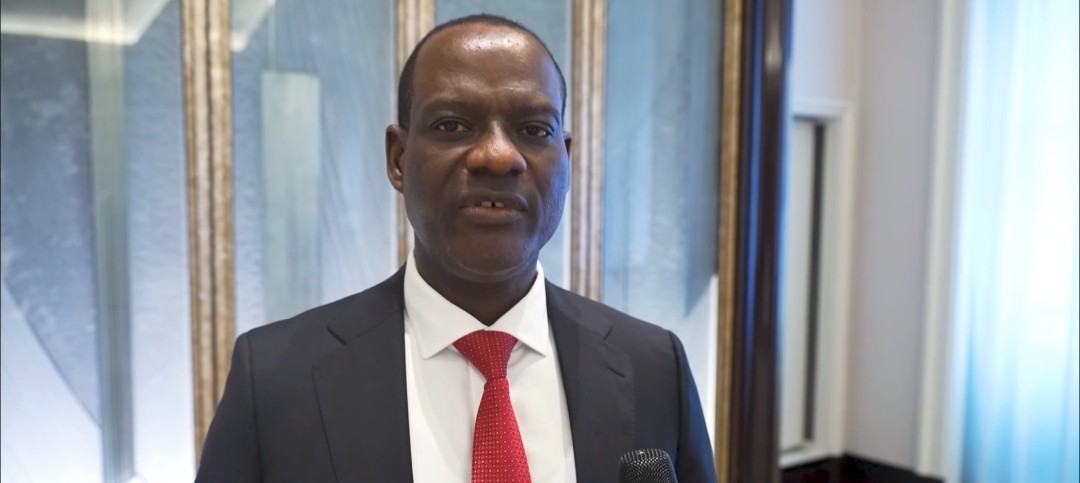
The Minister of Finance and Coordinating Economic Affairs, Taiwo Oyedele, has firmly rejected the reinstatement of fuel subsidies or the implementation of price controls, emphasizing the government’s commitment to market-driven reforms. His comments came following a meeting with global investors in Paris, France.
Earlier reports indicated that President Tinubu attended an investor conference in Paris, where senior government officials engaged with global financial institutions to present Nigeria’s reform agenda and economic outlook. Oyedele described this engagement as an opportunity to review ongoing reforms, assess progress, and outline future steps to strengthen the Nigerian economy.
During the discussions, Oyedele articulated the achievements made thus far and highlighted the forthcoming focus areas to deepen reforms and deliver measurable results.
Government’s Stance on Subsidies and Price Controls
Minister Oyedele reiterated the government’s decision against reinstating subsidies, emphasizing their long-term negative impact on economic stability. He stated, “We will not bring back subsidies because they create distortions in the economy.” Furthermore, he ruled out the introduction of price controls, stressing the importance of allowing market forces to operate while maintaining effective regulations.
“We will ensure regulatory accountability to protect consumers from potential exploitation by suppliers, traders, and manufacturers,” he added, reinforcing the administration’s reliance on market mechanisms.
Investor Engagement and Economic Prospects
At the investor conference, Oyedele highlighted Nigeria’s robust economic performance, noting a GDP growth of approximately 11.2% in dollar terms for 2025. This statistic underscores Nigeria’s ambition to achieve a $1 trillion economy by 2030. He expressed the government’s immediate priority of ensuring that ongoing reforms yield tangible benefits for the public and announced plans to publish quarterly financial data to enhance transparency.
President Tinubu further addressed the investors, stating that his administration’s reform program aims to eliminate structural distortions, stabilize macroeconomic indicators, and establish foundations for inclusive growth. “We are committed to policy stability and diligent implementation to ensure these strategic shifts provide tangible benefits to all Nigerians,” he asserted.
Patience Oniha, Director General of Debt Management, reassured investors of the government’s dedication to responsible borrowing and sustainable debt management. Major global investment firms, including Citibank and Amundi, participated in the conference, with many expressing confidence in Nigeria’s reform trajectory.
Strategic Focus and Global Economic Context
Minister Oyedele outlined the government’s focus on mobilizing revenue and investing in critical sectors to confront structural challenges, particularly those affecting supply chains and inflation. He acknowledged that global developments, especially tensions related to Iran, present both risks and opportunities for Nigeria’s economy.
“Although these tensions are concerning, they create new prospects for diversifying energy sources and exploring new markets,” he remarked, highlighting Nigeria’s potential to optimize outcomes under the current pricing regime.
Oyedele concluded by noting that investor sentiment towards Nigeria’s economic direction remains largely positive, emphasizing that increased revenues arising from favorable market conditions could significantly contribute to achieving stability and growth.
