


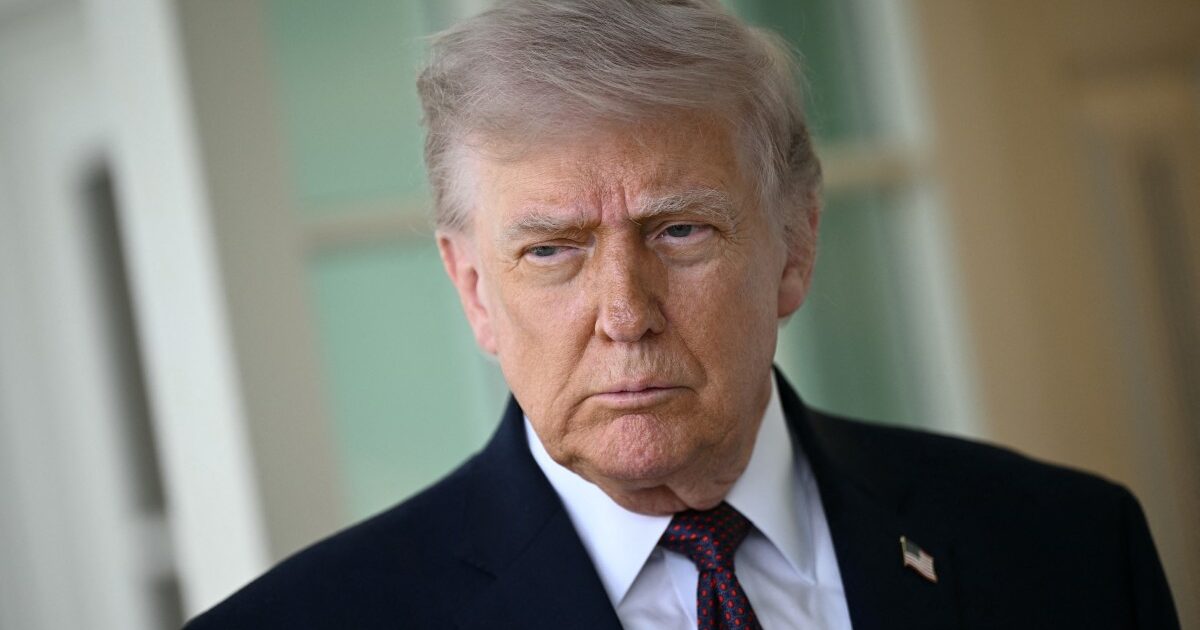
US President Donald Trump has announced a three-day ceasefire between Ukraine and Russia starting this Saturday, expressing hope that this may pave the way for a long-term peace agreement to end the ongoing conflict.
Prior to this announcement, Russia had declared a two-day unilateral ceasefire to coincide with Saturday’s May 9 Victory Day, commemorating World War II. Meanwhile, Ukraine had made its own ceasefire proposal, which it alleges was overlooked by Moscow.
The ceasefire agreement proposed by President Trump includes a mutual exchange of 1,000 prisoners. The President has faced difficulties in addressing the four-year conflict, which he initially pledged to resolve within his first day in office last year.
On his social media platform, Truth, Trump stated, “I am pleased to announce a three-day ceasefire in the war between Russia and Ukraine (May 9th, 10th, and 11th). This request came directly from me, and I am very grateful for the agreement reached by Presidents Vladimir Putin and Volodymyr Zelenskiy.”
He added, “Hopefully, this marks the beginning of the end of what has been a long, deadly, and hard-fought war.”
Continued Hostilities
On the eve of the ceasefire announcement, Russia and Ukraine were actively exchanging fire. Ukraine has yet to show willingness to comply with Moscow’s call for a cessation of hostilities, contending that the Kremlin’s intentions are merely to create a pause for their annual military parade in Red Square.
Kiev accused Russia of disregarding Ukraine’s earlier offer for a short-term ceasefire. President Zelenskiy described the situation as a crucial test of whether the Kremlin genuinely seeks a break from four years of warfare.
Amid escalating tensions, Russia has threatened a significant assault on central Kiev if Ukraine interferes with the Victory Day parade. The Kremlin has also urged foreign diplomats to evacuate the Ukrainian capital prior to the celebrations.
Despite the looming threat, some residents of Kiev expressed skepticism. Vasil Kobzar, a 40-year-old banker, remarked, “Nothing new will happen. I’m worried, but unfortunately it has become the norm.” Ukrainian officials indicated that no extra security measures had been implemented, with one lawmaker commenting, “We’re just pointing the finger at the Russians.”
On the military front, Ukraine’s air force reported that Russia launched 67 drones overnight, the lowest number in a month. While President Zelenskiy noted the declaration of a ceasefire, he emphasized that the intensity of offensive operations had not diminished, and Ukraine would respond similarly.
Strategic Maneuvers
Ukraine has dismissed Russia’s temporary ceasefire as a propaganda tactic designed to safeguard the May 9 victory parade—an event of paramount significance for President Putin. Just hours before the ceasefire commenced, Zelenskiy cautioned Russia’s allies against participating in the parade.
Since Putin initiated the invasion in February 2022, the conflict has resulted in the deaths of hundreds of thousands of soldiers and tens of thousands of civilians from both nations, with the majority being Ukrainians. The remembrance of the Soviet Union’s victory over Nazi Germany has become a cornerstone of Putin’s narrative, utilizing the May 9 parade to bolster the rationale for his invasion.
Remarkably, for the first time in almost two decades, military equipment will not be showcased during the parade, and the number of foreign guests has been significantly reduced. Progress toward ending this conflict, which has become Europe’s deadliest since World War II, remains largely stagnant and has been overshadowed by other geopolitical tensions, particularly in Iran.
