


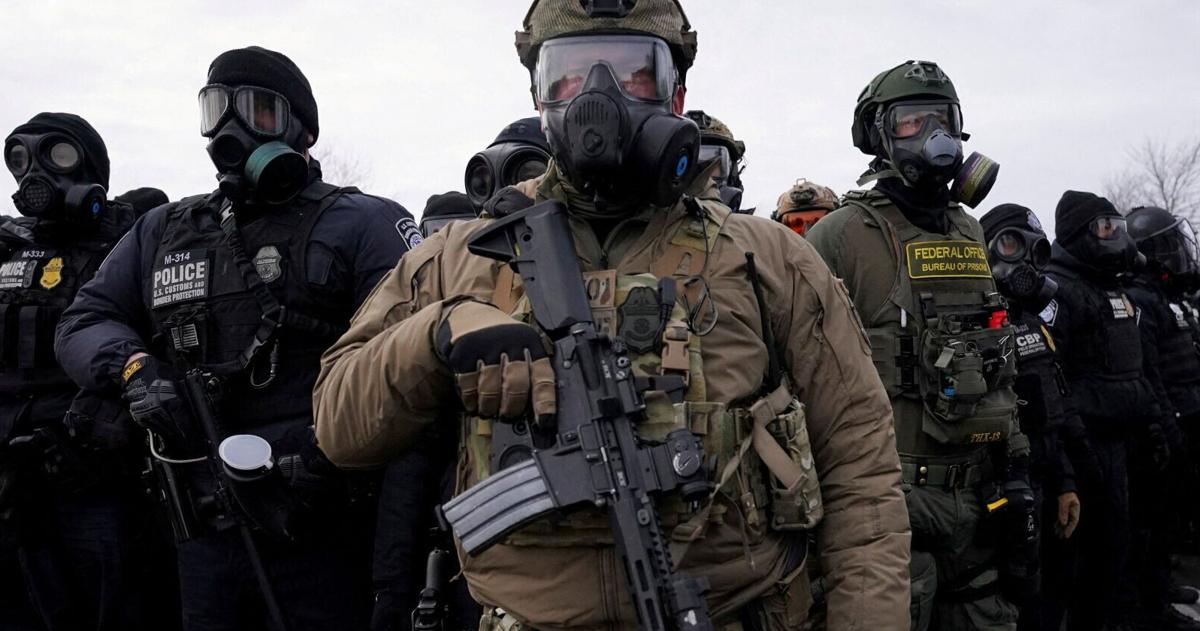
Federal Crackdown Alters Law Enforcement in Minnesota
MINNEAPOLIS — The Trump administration’s intensified effort to deploy immigration officials across Minnesota has resulted in significant delays for federal investigations and prosecutions concerning serious crimes. A Reuters analysis of federal court records reveals that this operation markedly stalled new gun and drug charges and caused several top prosecutors to resign.
The impact of this operation has been profound. Federal agents have departed from drug task forces and gang investigations, with some cases being referred to state authorities instead. While President Donald Trump promoted this initiative as a crucial crime-fighting strategy targeting violent undocumented immigrants, many law enforcement officials argue the operation has disrupted the normal functions of federal agencies responsible for public safety.
Stark Decline in Federal Prosecutions
Between January and late April, federal investigators in Minnesota indicted a mere eight individuals on gun and drug charges—a striking decrease from 77 during the same timeframe the previous year. Overall, there were fewer felony charges, with just 90 filed, nearly half of the number recorded last year. Among those charged were individuals involved in protests against immigration policies, emphasizing the complex overlap between law enforcement and immigration enforcement.
Mary Moriarty, the Hennepin County Attorney, indicated that the diversion of federal prosecutors to handle immigration cases has led to complex criminal matters being passed down to local agencies. She expressed concern that critical issues like sex trafficking and drug trafficking are not receiving the attention they warrant due to these changes, compromising public safety.
Concerns Over Law Enforcement Priorities
As federal focus shifts increasingly to immigration enforcement, traditional crime-fighting efforts have faced serious setbacks. National statistics indicate that while arrests for immigration violations are at their highest in two decades, drug offense charges are at their lowest. This trend poses risks, particularly as violent criminals may evade capture, according to John Marty, a former federal prosecutor.
Despite the pressing safety concerns, the U.S. Justice Department defended the administration’s focus on immigration enforcement, asserting that it has not hindered their capacity to investigate other serious crimes. However, federal records indicate a dramatic dip in criminal prosecutions, with many unresolved cases remaining in limbo. This has drawn scrutiny from various legal analysts and local officials who question the sustainability of such a broad immigration policy in light of pressing public safety concerns.
Federal Resources Strained by Reassignment
The operational consequences of this crackdown have extended to federal prosecutors in Minnesota, resulting in staff shortages and increased workloads. With many prosecutors resigning, some reported being reassigned from drug-related cases to immigration duties, causing significant operational disruption within law enforcement agencies. The Justice Department has since attempted to address these gaps by reallocating lawyers from other states on a temporary basis.
Decline in Resource Allocation for Serious Crimes
The misallocation of federal resources toward immigration has made it increasingly difficult for federal investigators to pursue both new and ongoing criminal cases. Judges have dismissed allegations against defendants due to the prosecutors’ inability to meet critical deadlines, citing a lack of resources attributable to the immigration focus. On the other hand, while serious criminal cases languish, numerous arrests have been made in connection with protests against immigration policies, highlighting the contentious balance between legal enforcement and community response.
