


Report Reveals Alarming Estimates of Family Separations During U.S. Immigration Enforcement
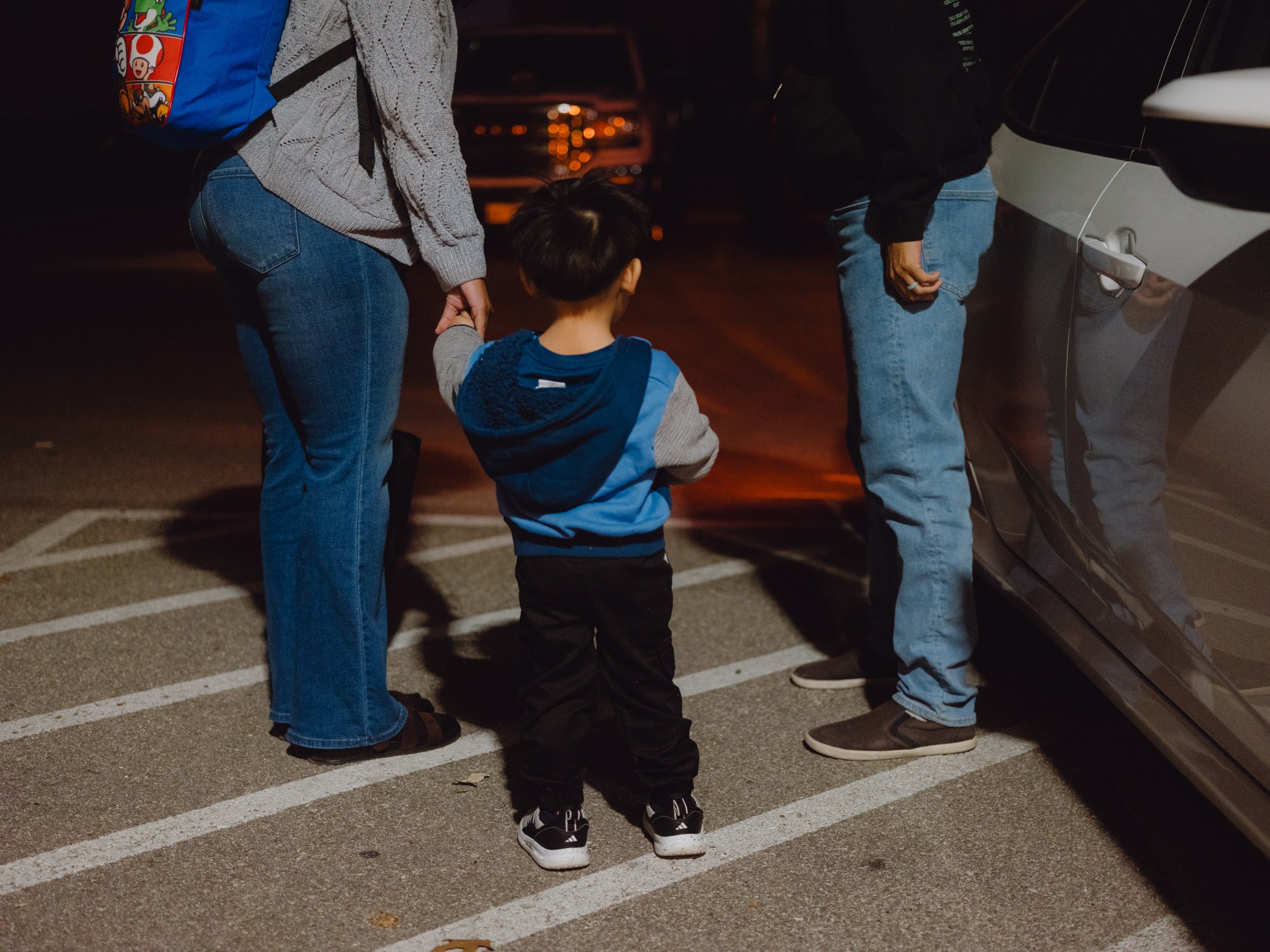
A recent report from Brookings, a prominent think tank based in Washington, D.C., indicates that the number of American children separated from their parents during immigration enforcement activities is significantly higher than earlier estimates suggested.
Estimate Surpasses 100,000 Children Affected
Published on Monday, the analysis suggests that more than 100,000 children in the United States have experienced the detention of their parents since the initiation of President Donald Trump’s mass deportation campaign last year. This figure is supported by reporting from ProPublica, which highlights how parental detentions frequently result in family separations.
Policy Changes Under the Trump Administration
The Trump administration’s family separation policies at the U.S.-Mexico border were repealed in the face of public outrage. Nevertheless, current immigration enforcement practices have led to increasing separations as officials conduct widespread searches across the country.
Lack of Tracking for Family Separations
Brookings points out that around 400,000 individuals have been detained by immigration authorities since Trump took office again. However, determining the specific number of family separations resulting from these detentions remains nearly impossible, as the government does not maintain records on this issue.
Growing Complexity of Family Separations
The report notes that family separations are now occurring in more dispersed, less visible ways that are increasingly difficult to trace. Brookings’ estimates indicate that about 200,000 children have a detained parent, including around 145,000 American-born children. The think tank acknowledges the figure may vary, fluctuating slightly above or below this estimate.
ProPublica’s Findings Offer Conservative Estimates
ProPublica, taking a more conservative stance, utilized government data obtained through a Freedom of Information lawsuit initiated by the University of Washington. Their findings revealed that, during the first seven months of Trump’s second term, at least 11,000 American children experienced parental detention. They also found that Trump’s administration was deporting American mothers at a rate four times higher than that of President Joe Biden’s administration.
Underreporting of Family Separations
Experts caution that these numbers likely represent a significant undercount. Government data relies on detainees voluntarily reporting whether they have children, and many cases remain undocumented due to fears about the implications of disclosing such information. Tara Watson, one of the report’s authors, emphasized the importance of shedding light on the situations of affected families. She remarked on the necessity of understanding how many children know their circumstances, whether they remain in the U.S. with relatives, or whether they leave the country altogether.
Real-Life Impact on Families
ProPublica has documented several families who faced unexpected separations and noted the varied outcomes for their children. One poignant case involves Doris Flores, a mother from Honduras who was taken into custody alongside her fiancé, resulting in their infant daughter being separated from her at a critical time. In her quest for aid, Flores turned to a local pastor for help in caring for her nursing child and 8-year-old daughter.
Department of Homeland Security Responds
In light of the Brookings report, the Department of Homeland Security (DHS), which oversees Immigration and Customs Enforcement (ICE), asserted that the agency “does not separate families.” They stated that detained parents are given the option to be removed alongside their children or to have them placed with a designated caretaker. DHS maintained that these practices are consistent with those of previous administrations.
Changes to ICE’s Family Separation Guidelines
However, recent modifications in the guidelines governing ICE officers have raised concerns. The “Parental Interests Directive” has been rebranded as the “Parental Restraint Directive,” with the previous emphasis on providing a “humane” response to immigrant parents notably removed from the preamble of the new document. This shift reflects the changing approach towards immigration enforcement under the current administration.
