


Youth-Led Enterprises in Sub-Saharan Africa Lag in Digital Maturity
A recent multi-country study reveals that micro, small, and medium enterprises (MSMEs) led by youth in sub-Saharan Africa are struggling to meet expected levels of digital maturity. This raises significant concerns regarding the region’s capability to compete in an increasingly technology-driven global economy.
Findings Presented at University of Lagos Stakeholder Meeting
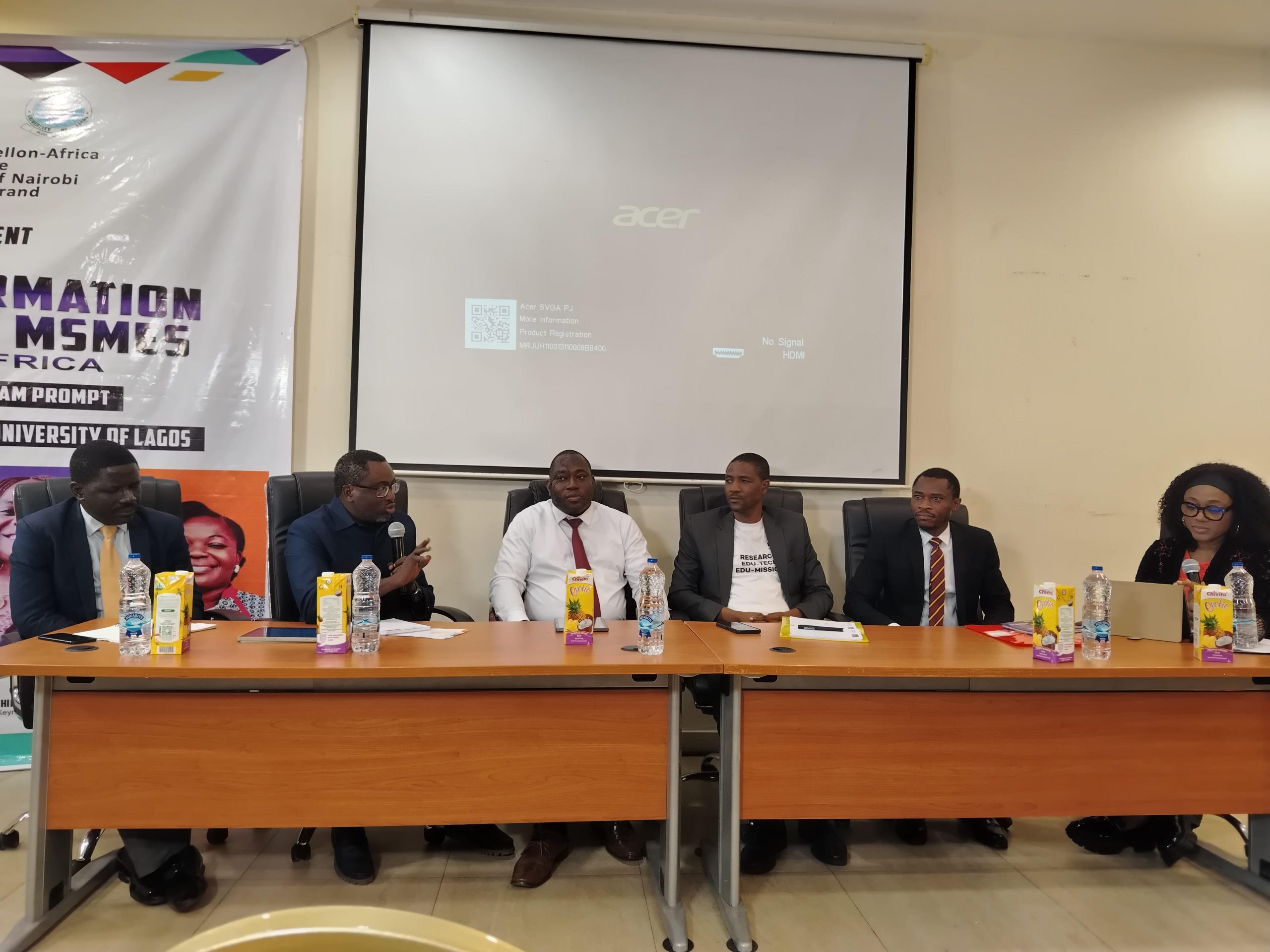
The findings emerged during a stakeholder meeting hosted at the Arthur Mbanefo Digital Research Center at the University of Lagos. This event convened a diverse group, including researchers, policymakers, academics, accountants, students, and government officials, to discuss the future landscape of digital transformation for businesses in Africa.
Collaboration Among Esteemed Academic Institutions
The study, spearheaded by Dr. Imoleayo Foeke Obigbemi from the University of Lagos, involved collaboration with scholars from the University of Nairobi and the University of the Witwatersrand. It specifically examined youth-led MSMEs in Nigeria, Kenya, and South Africa under the auspices of the AFRETEC network of Carnegie Mellon University Africa School.
Dr. Obigbemi Highlights Areas of Concern
During her presentation, Dr. Obigbemi noted that the digital transformation and maturity levels of MSMEs in critical sectors like health, energy, and sustainability remain “relatively lower” than anticipated. She emphasized that the initiative aimed to unite various professional perspectives to tackle this pressing issue.
Keynote Address on the Importance of MSMEs
The event, themed “Digital Transformation and Maturation of MSMEs in Sub-Saharan Africa,” featured a keynote address by Chinonye Love Moses, Professor of Entrepreneurship at Covenant University and the Commissioner for Entrepreneurship and Skills Acquisition in Imo State. She underscored the strategic importance of MSMEs, which make up over 80 percent of businesses across the continent and contribute approximately 50 percent of Africa’s gross domestic product (GDP), despite facing significant barriers such as limited access to finance, markets, and technology.
Strategies for Digital Transformation Identified
Professor Moses outlined four key forms of digital leverage that could dramatically enhance small businesses: operational leverage through accounting systems and customer relationship management software; financial leverage via fintech platforms and subsidies; and accessible digital learning resources to empower entrepreneurs. Additionally, she urged governments to establish innovation hubs and emphasized the need for researchers to close the digital maturity gap.
Panel Discussion Explores Digital Challenges
A panel discussion brought industry and academic experts together to further dissect the challenges related to digital transformation for small and medium-sized enterprises. Ayodotun Ibidunni from James Hope University clarified the distinction between digitization—converting analog processes into digital—and digitalization, which involves applying technology for improved business operations. He cautioned that low digital maturity in Nigeria is intricately connected to broader economic challenges, including poverty.
Misconceptions and Value Creation in the Digital Age
Akinyemi Ajibola from Bells University of Technology cautioned against the misconception that merely having a social media presence equates to digitalization. He emphasized that real digital transformation requires a profound integration of technology into business operations. Similarly, Collins Sunsky Oboh critiqued the overwhelming focus on entertainment in today’s digital content landscape, urging MSMEs to prioritize value creation instead of short-sighted profit pursuits.
Taxation and Mentorship in Entrepreneurial Growth
The panel also addressed taxation concerns. Olusesan Samuel Okunade explained that under Nigeria’s current tax framework, companies with annual turnovers below N100 million are exempt from income tax. He highlighted the importance of enhancing documentation and financial transparency to evade penalties for non-compliance. Oluwasogo Adiran pointed out that mentorship and empathy are essential in nurturing young entrepreneurs, while advocating for accountability from the government in return for compliance with tax obligations.
