


Health Secretary’s Senate Appearance Sparks Anticipation
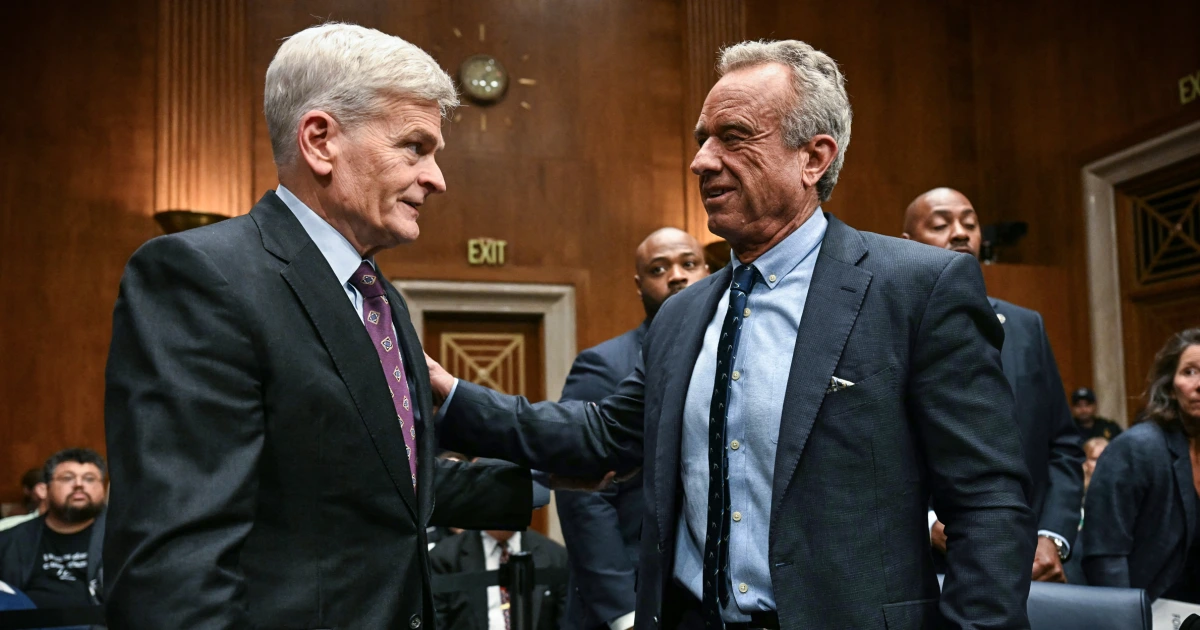
Health Secretary Robert F. Kennedy Jr. arrived at the Capitol on Wednesday, potentially facing off against Louisiana Senator Bill Cassidy, a Republican who was instrumental in his confirmation. This appearance marks Kennedy’s first time before the Senate Health, Education, Labor and Pensions Committee in nearly a year, chaired by Cassidy.
Political Dynamics and Unkept Promises
During his confirmation last year, Senator Cassidy voted in favor of Kennedy, securing various commitments from him, such as upholding federal vaccine recommendations and regularly engaging with Senate committees. However, Kennedy has failed to meet these expectations, prompting Cassidy to express his discontent primarily through social media and press statements rather than direct confrontation. Cassidy has remained a vocal advocate for vaccines, particularly evident during the confirmation hearings for Dr. Casey Means, a supporter of President Kennedy’s policies who has voiced skepticism about vaccines. Despite this, Cassidy has yet to advance Means’ nomination for a vote.
Key Questions Loom Ahead of the Hearing
Wednesday’s hearing presents a critical opportunity for Cassidy and other senators to address their concerns regarding Kennedy’s leadership. Following a heated exchange during a Senate Finance Committee hearing in September, this session could provide essential insights into the senators’ evaluation of Kennedy’s performance. A spokesperson for Cassidy refrained from revealing specific questions planned for Kennedy.
Anticipated Engagement from Retiring Senators
Senator Thom Tillis, a Republican from North Carolina who is not seeking re-election, is also expected to engage Kennedy during the hearing. Tillis has indicated a willingness to voice his opinions more candidly, including criticism directed at members of the Trump administration’s cabinet, having voted to confirm the entire Trump Cabinet in 2025.
Controversial Changes to Vaccination Policies
In January, President Kennedy implemented significant revisions to the childhood vaccination schedule, reducing the number of diseases recommended for vaccination from 18 to 11. This overhaul drew immediate backlash from Cassidy, who stated via a post on X that it would “make America even sicker.” These adjustments eliminated recommendations for infants to be vaccinated against hepatitis A, hepatitis B, RSV, dengue fever, and two forms of bacterial meningitis.
Judicial Challenges and Expert Concerns
In March, a federal judge halted these new guidelines and blocked the appointments of President Kennedy’s selected members to the CDC’s vaccine advisory committee. While the administration has yet to appeal this ruling, Kennedy has introduced new regulations for the commission, aiming to circumvent the court’s decision. Dorit Rees, a vaccine policy expert from the University of California, San Francisco, anticipates that Cassidy will hold Kennedy accountable for these changes, emphasizing the ongoing public health risks, including a resurgence of measles outbreaks.
Increased Scrutiny and Ongoing Criticism
In recent weeks, Kennedy has faced extensive scrutiny in five Congressional hearings, attracting strong criticism from Democrats regarding his vaccine policies and overhauls of federal health agencies. During one hearing, he asserted that the United States has excelled in measles prevention compared to other countries. However, critiques from prominent public health experts, such as Lawrence Gostin from Georgetown University, suggest that Kennedy may continue to obfuscate issues related to public health, despite claiming adherence to ‘world-class science’ and ‘rigorous evidence.’
Potential Repercussions for Future Health Policies
As Kennedy prepares for further questioning, Senators, including Tillis, could pose significant challenges regarding his commitment to vaccine recommendations. In September, Tillis hinted at discrepancies in Kennedy’s previous commitments, questioning the integrity of his statements. With Kennedy’s recent calls for reform of the U.S. Preventive Services Task Force and the promotion of psychedelic research during the Trump administration, it remains to be seen how these discussions will evolve and their implications for U.S. health policy moving forward.
