


Reassessing Restructuring in Nigeria
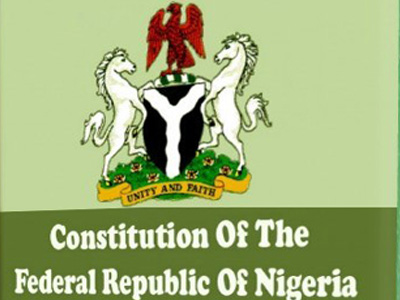
This article serves as a continuation of an earlier discussion published in this newspaper regarding the pressing issue of restructuring in Nigeria. The prevailing consensus is that a significant overhaul of the country’s administrative framework is vital for its progression. The conversations surrounding restructuring, along with calls for a revival of the 1963 Constitution, have inspired this examination. Previously presented arguments highlighted Nigeria’s identity as a republic, distinguishing it from a democracy.
The Dichotomy of Republic and Democracy
Had the United States operated as a true democracy, Democratic candidate Hillary Clinton would have made history as the first female president after winning the popular vote by approximately three million votes in 2016. However, it was Republican candidate Donald Trump who ultimately secured the presidency through the Electoral College. This incident reflects ongoing debates about the differences between republicanism and democracy—terms that politicians often use interchangeably, despite their distinct meanings. The founding fathers of the United States, influenced by philosophical discourses such as Plato’s Republic, were acutely aware of this distinction.
Historical Insights from American Founding Fathers
George Washington, who led the Constitutional Convention and became the first President under the newly established Constitution, emphasized his commitment to preserving a republican model of governance in his inaugural address in April 1789. Similarly, James Madison, recognized as the Father of the U.S. Constitution, noted in The Federalist that democracy often clashes with personal safety and property rights, often resulting in instability and violent ends. John Adams, a signer of the Declaration of Independence, offered a vigorous defense of the new Constitution precisely because it eschewed democracy. He cautioned that democracies could quickly self-destruct, while Alexander Hamilton ardently affirmed America’s commitment to a republican government, asserting that true freedom thrives in a moderate governance structure.
Implications of Republicanism in Governance
Notably, the absence of the term ‘democracy’ from the U.S. Constitution itself speaks volumes. Article IV, Section 4 firmly establishes that the United States guarantees a republican form of government to all states. Republicanism acknowledges the complexities inherent in human society, maintaining that electoral votes should reflect these nuances, while democracy tends to promote an unrealistic notion of absolute equality. To equate the two is misleading; they are fundamentally different governance philosophies.
Historical Lessons from the Roman Empire
In examining historical precedents, one might consider the influence of Edward Gibbon’s *History of the Decline and Fall of the Roman Empire* on the framers of the U.S. Constitution. Gibbon meticulously charted Rome’s rise and fall, attributing the empire’s collapse, in part, to the failure of democratic principles within its administration. As Rome’s wealth burgeoned through conquests, the emperors increasingly centralized power, which diminished public contributions to the commonwealth and ultimately eroded civic morale, culminating in the empire’s decline.
The Pitfalls of Wealth Distribution in Democratic Systems
The parallel drawn between the fall of empires serves as a cautionary tale about the ephemeral nature of a system predicated on “gathering and sharing wealth.” While the beneficiaries of such a system may initially find it gratifying, those burdened by the fiscal demands become disincentivized and disillusioned. This historical narrative likely informed Benjamin Franklin’s adage regarding “two wolves and a lamb voting on what to have for lunch,” emphasizing the risks inherent in democratic systems fueled by unsustainable fiscal policies.
Nigeria’s Path Towards Republican Governance
Hence, it is crucial to acknowledge that the United States predominantly practices a republican form of government. Given that Nigeria has adopted a similar governmental framework, it follows that Nigeria must strive for republicanism as the guiding principle in its political and administrative reorganization. The argument for reverting to the 1963 Constitution becomes stronger, especially in light of these complexities surrounding governance in Nigeria.
Written by Consulting Engineer Nkemdiche from Abuja
