


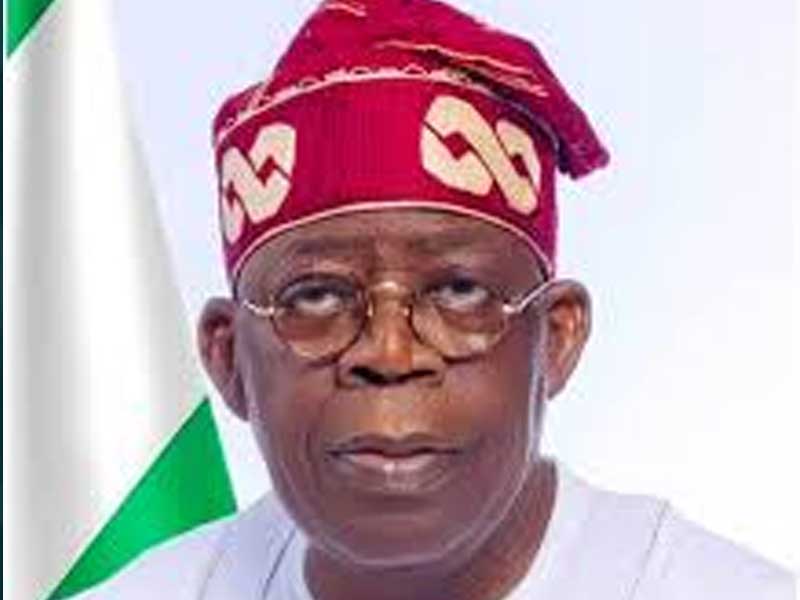
Old Tax Laws Have Contributed to Nigeria’s Poverty, Says President Tinubu
President Bola Tinubu emphasized the critical link between Portugal’s economic prosperity and a robust revenue system during the inauguration of the new 16-story Nigeria Revenue Service (NRS) headquarters in Abuja. He asserted that a fragmented and ineffective revenue framework not only hampers progress but also erodes public trust in government institutions. “No government can command the trust of its people if its taxation is opaque, inefficient, or unjust,” he remarked, underscoring the need for substantial reforms.
Addressing Colonial-Era Tax Inequities
The President pointed to the detrimental impact of colonial-era tax laws, which he believes have perpetuated poverty through their complexity and inconsistency. His administration is set to implement a new tax system aimed at creating a more inclusive and prosperous economic environment. “We are focused on establishing a people-centered and investment-friendly system,” Tinubu stated, affirming that the reforms, effective from January 2026, are designed to enhance Nigeria’s global competitiveness by discarding outdated regulations.
Commitment to Financial Stability and Opportunity
Reiterating his commitment to steer Nigeria toward improved economic conditions, Tinubu highlighted the solemn oath he took on Inauguration Day to build an economy based on discipline, equity, and opportunity. He expressed appreciation for NRS Chairman Dr. Zak Adeji for overseeing the swift completion of the new headquarters, which will accommodate 3,000 staff members and include facilities such as a data processing center, clinic, and auditorium.
Factors Underpinning Tax Reform Success
In his address, Tinubu acknowledged the NRS’s efforts in repositioning itself as a reliable revenue hub, reinforcing its commitment to data-driven policies while being attuned to public needs. He noted that early results from the tax reforms have been promising, citing improvements in fiscal stability and increased investor confidence in Nigeria’s economic trajectory. “These outcomes are not coincidental but the result of deliberate policy and sustained effort,” he remarked.
Building Trust Through Accountability and Efficiency
Tinubu urged the NRS to adhere to high standards of accountability and transparency, asserting that the agency must earn the trust of its citizens while positioning itself as a respected institution on the global stage. “We must ensure fairness and demonstrate that the government is accountable and efficient,” he said, emphasizing a united front to build a legacy of strong governance.
Acknowledging Political Dynamics
President Tinubu took a moment to comment on political rivalries, indicating a willingness to deploy Senate President Godswill Akpabio to counter opposition efforts, illustrating his intent to maintain political leverage. His light-hearted reference to sending Akpabio into opposition ranks suggested a strategic as well as humorous approach to the political landscape.
Support from Key Political Figures
Senate President Akpabio echoed the president’s sentiments, urging Nigerians to remain patient as the administration’s economic reforms begin to yield positive results, citing significant reductions in fuel shortages as evidence of progress. Meanwhile, House Speaker Tajudeen Abbas highlighted the fragmented nature of the previous revenue system and commended the Tinubu administration for implementing reforms that align rules and institutions, ultimately fostering greater public trust.
Vision for a Unified Revenue System
Dr. Adeji, the NRS Executive Chairman, described the new headquarters as a pinnacle of organizational restructuring under Tinubu’s leadership. He noted that the transformative changes within Nigeria’s fiscal landscape are aimed not just at increasing tax burdens but at creating a comprehensive system with enhanced governance. The administration’s pledge to streamline tax laws reflects an understanding of the necessity for modern governance underpinned by fiscal credibility.
