


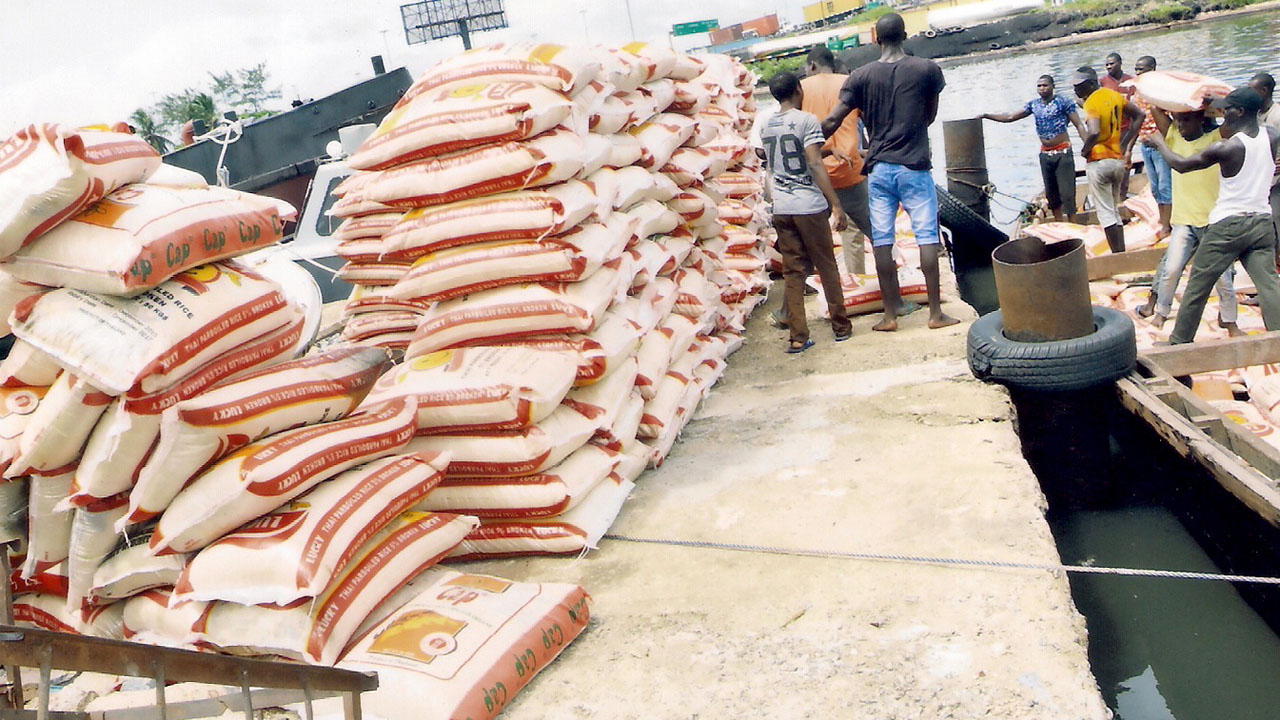
Rice Processors Association of Nigeria Voices Concerns Over Smuggling
The Rice Processors Association of Nigeria (RIPAN), sometimes referred to as the “Rice Cabal,” recently issued a statement voicing their concerns regarding the rampant smuggling of rice into Nigeria. According to their claims, over one million tons of rice have crossed borders illegally in the last three months. These self-proclaimed “patriots” argue that such levels of smuggling threaten their investments, jeopardize job creation, and contribute to a significant loss in foreign exchange.
The Political Dimensions of Rice in Nigeria
Over the past four years, rice has evolved from a staple food to a politically charged commodity. The Buhari administration has focused on drawing Nigeria closer to developmental goals, adopting strict measures against imported rice. The Central Bank of Nigeria (CBN) initially prohibited the sale of foreign exchange for rice imports, later providing billions in loans to local rice farmers. However, many beneficiaries failed to repay these loans, and some even used their newfound wealth to finance personal endeavors. This situation was compounded by exorbitant tariffs on rice imports and aggressive government propaganda claiming that halting rice imports from Thailand led to soaring unemployment in that country.
Human Cost of the Crackdown on Smuggling
In a tragic twist, the Nigerian Customs Service has been implicated in numerous deaths while pursuing rice smugglers. The narrative often painted is of smugglers involved in violent confrontations with customs officials. However, deeper investigation reveals that innocent bystanders frequently become victims of the crossfire. To date, there has been minimal official acknowledgment of these deaths, let alone promises for inquiries. This alarming trend continued in February, when five people were shot dead in Katsina, officially labeled as “rice smugglers.” In Nigeria, being associated with the smuggling of politically favored crops like rice can result in fatal consequences.
The Economic Burden on Ordinary Nigerians
Nigerians are now faced with higher prices for locally produced rice due to policies that shift wealth from the poorer segments of the population to more affluent farmers. This economic strain is exacerbated by regular press conferences held by the Rice Cabal, where they lament the inadequacy of government support for their operations. Consumers are left grappling with a narrative that implies it is their civic duty to support these farmers despite the financial burdens they impose.
The Role of Smugglers in the Market
Amid these challenges, many Nigerians are thankful for the smugglers who are serving as an alternative source of rice supply. The consequences of a government monopoly on rice distribution could be dire, leading to reduced consumer choices and, ultimately, widespread poverty. In situations where government policy interferes with market dynamics, the interests of producers often supersede those of consumers, resulting in economic distortions.
Questioning Government Narratives
As the government and the Rice Cabal continue to criticize Nigerians for their preference for imported rice, consumers must question the underlying motives of these policies. Key inquiries should center around the sufficiency of the support offered to local farmers and the tangible benefits derived from such initiatives. Furthermore, how much information do consumers need to make informed choices in a marketplace so skewed by politicized interventions?
The Consumer’s Perspective
Ultimately, the pressing question remains: who will safeguard the interests of consumers burdened by these government policies? Until a clearer balance is achieved, there will be continued support for smugglers as a necessary alternative for meeting consumer demands for affordable and accessible rice.
