


The Strait of Hormuz in Global Geopolitics
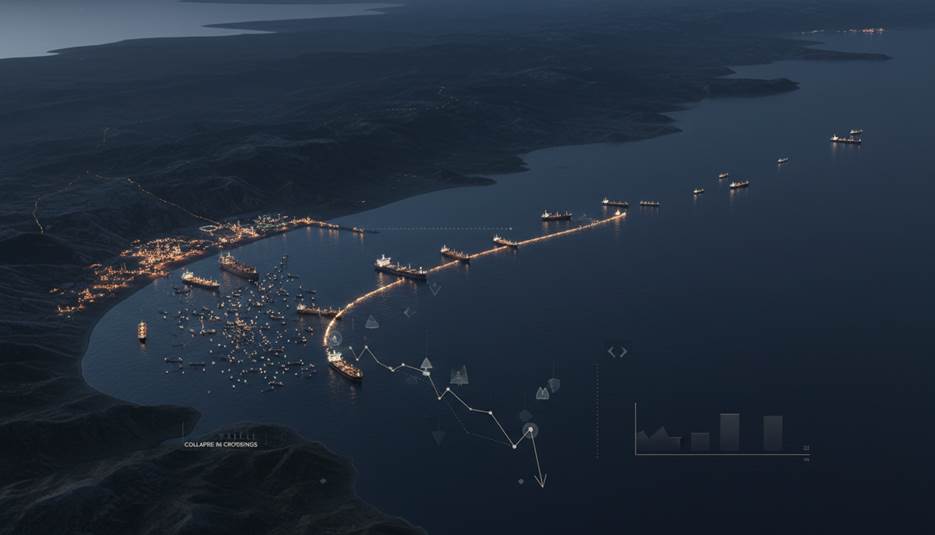
The Strait of Hormuz has recently garnered significant attention as a pivotal geopolitical hotspot. Esteemed for its strategic importance, this maritime passage has become the center of a heated international crisis that is reshaping global politics.
Geological Significance and Economic Impact
Formed by the collision of the Arabian and Eurasian tectonic plates, the Strait of Hormuz is not only a remarkable geological feature but also a vital channel for oil and gas transport. Approximately 20% of the world’s oil supply, along with 30% of its fertilizer resources, traverses this narrow waterway. Such concentration of resources undeniably places the strait at the nexus of power plays among the bordering nations, particularly Iran and Oman, and the global community.
Supply Chain Disruptions Amidst Rising Tensions
The recent escalation between the United States and Iran, particularly Iran’s threats to close the Strait, has triggered widespread supply shortages and price spikes globally. These developments starkly illustrate the fragility of international energy markets reliant on this corridor.
The Naval Standoff: A Clash of Powers
The current standoff can be described as a dangerous game of chicken between the Trump administration and Iran’s Revolutionary Guards. As Iran has enacted a near-total blockade, the United States has countered by imposing its own naval restrictions on maritime traffic within the strait. This situation has raised alarms about potential military confrontations and the ramifications for global trade.
The Underlying Consequences of Conflict
This ongoing drama serves as a reflection of the unintended consequences stemming from the conflicts involving Israel and the United States. The confrontation intensified following the assassination of Iran’s Supreme Leader, Ali Khamenei, which was conducted without a formal declaration of war. Subsequent actions included the targeted elimination of key Iranian leaders and attacks on both civilian and military infrastructures, showcasing the volatility of the region.
Historical Context and Psychological Factors
The crux of the current tensions also points to a psychological landscape that drove Israel and the United States to launch aggressive strategies against Iran. The overarching aim has been articulated as a pursuit of “regime change” to resolve what is referred to as the “Iran problem.” This ambition is rooted in historic grievances dating back to the establishment of the Islamic Republic, which adopted an adversarial stance towards traditional international norms and behaviors, as evidenced by the notorious hostage crisis at the U.S. embassy.
The Flaws in Seeking Final Solutions
The strategies for addressing the perceived Iranian threat, including what has been termed the “final solution,” are fundamentally flawed and have historically proven to be ineffective. Attempts to eliminate perceived threats, whether through military intervention or more extreme measures, consistently lead to unintended outcomes. The lessons of history underscore that efforts to erase opponents tend to breed further conflict rather than resolution. Leaders in America and Israel might benefit from reevaluating their approach, considering the long-standing cultural and historical contexts that shape the attitudes of their adversaries.
