


Nigeria Seeks to Position Itself as a Blue Economy Leader
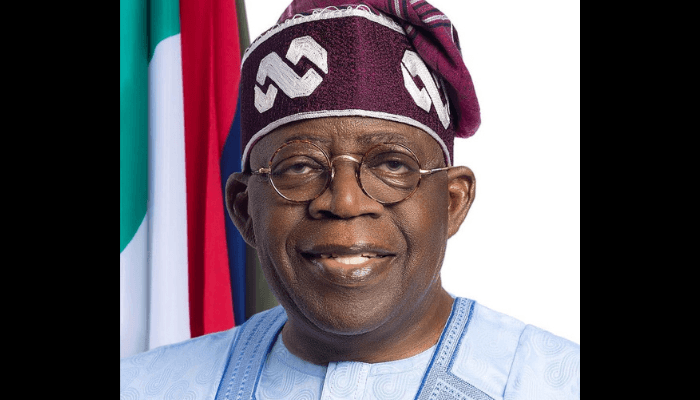
President Bola Tinubu is actively encouraging global investors attending the Africa-France Summit in Kenya to explore the burgeoning opportunities within Nigeria’s blue economy. He emphasized the importance of collaborative efforts to enhance Africa’s economic growth and integration.
Tinubu’s remarks came during the recent summit, co-hosted by French President Emmanuel Macron and Kenyan President William Ruto, where leaders from over 30 African nations gathered to discuss critical economic issues. Both Macron and Ruto, alongside notable figures such as UN Secretary-General António Guterres, underlined the necessity of improving Africa’s access to credit to facilitate developmental projects.
During the summit, Nigerian officials engaged in bilateral discussions, with Tinubu meeting Madagascar’s President Michael Landrianilina. Notably, he also spoke to Patrice Motsepe, President of the Confederation of African Football, regarding Nigeria’s ambition to host the 2026 CAF Awards.
The French government advocated for a restructuring of economic and political relationships based on equality and fairness. African leaders highlighted the urgent need to expand access to credit in order to support large-scale investments and spur economic growth. Tinubu articulated Nigeria’s potential in the blue economy, recognizing it as a pivotal element for Africa’s development, which has historically been overlooked due to fears and uncertainties.
In his commitment to Nigeria’s vision as a regional data hub for the Gulf of Guinea, Tinubu stressed the importance of implementing the Deep Blue Project. He outlined a roadmap that includes interoperable systems, harmonized legislation, and efficient enforcement mechanisms, stating that the nation is determined to shift perceptions by turning maritime governance into a cornerstone of investment attraction.
Pathways for sustainable economic practices were also a focus, with the President advocating for a comprehensive migration management system that enhances security. He asserted the need to address root causes of migration by creating jobs and providing hope within home countries. Tinubu outlined Nigeria’s strategy to reform economic systems, eliminate fuel subsidies, and modernize agriculture to foster rural livelihoods.
Furthermore, the President called on international partners to support Nigeria’s initiatives with tangible investments that create viable alternatives to irregular migration, including programs aimed at mitigating climate change impacts and improving energy access. He reiterated the importance of collective efforts to establish a robust governance structure for migration.
In tandem with these discussions, Tinubu was joined by a delegation of Nigerian ministers and prominent business leaders, including the Chairman of Dangote Group, Aliko Dangote, and Access Holdings Chairman Aigboje Aig-Imokhuede. They participated in a range of sessions at the University of Nairobi and KICC, exploring vital themes like entrepreneurship, digital transformation, and harnessing Africa’s demographic dividend.
