


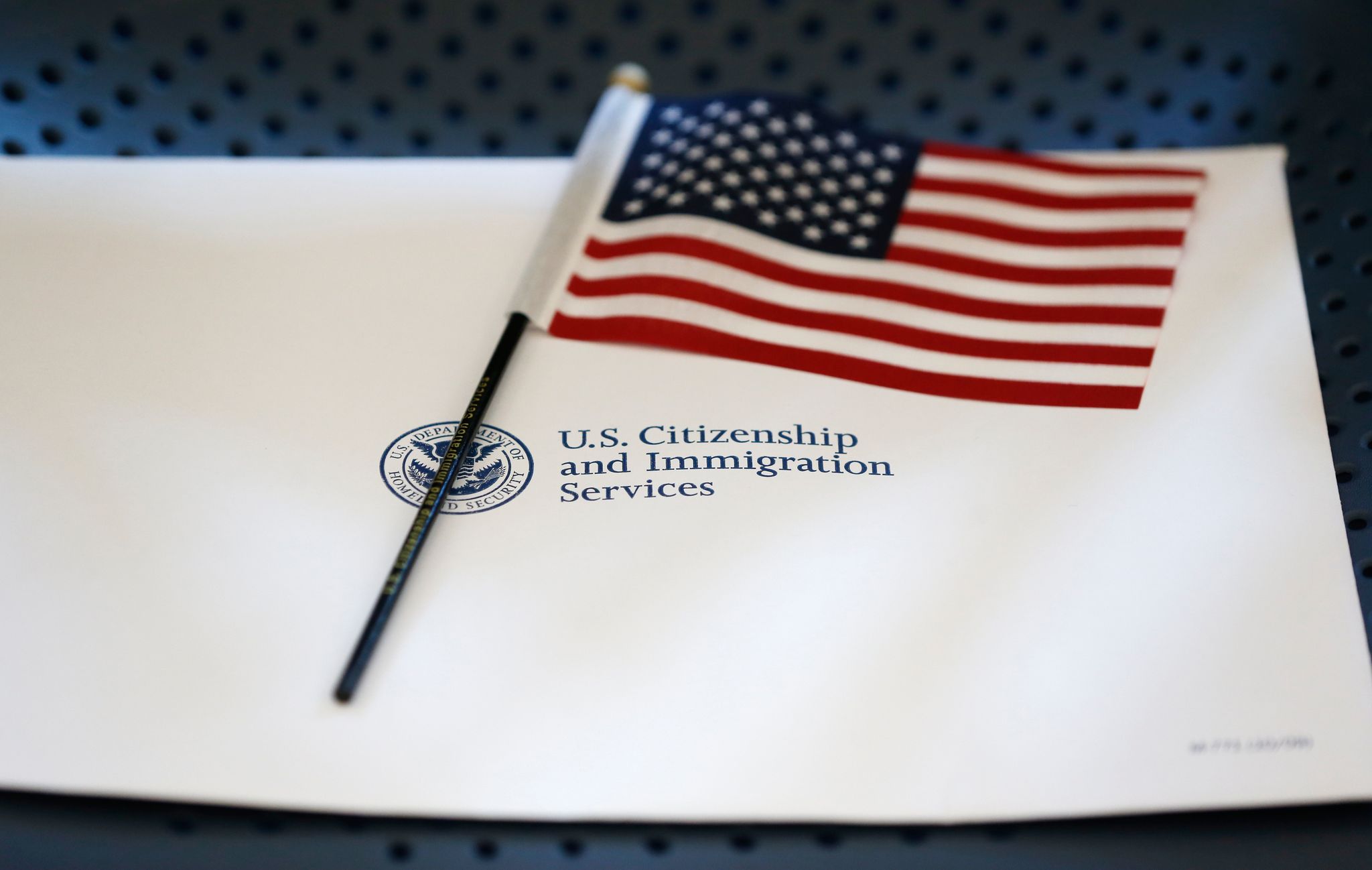
Trump Administration Introduces Unprecedented Green Card Policy Change
In a significant shift, the Trump administration announced on Friday that foreign nationals currently residing in the United States who wish to obtain green cards must return to their home countries to file applications. This sudden policy alteration has raised alarm among immigration advocacy groups, lawyers, and affected individuals, who are grappling with the implications of the new directive.
Longstanding Practices Disrupted
For over fifty years, individuals with legal status in the U.S. have been able to navigate the permanent residency process from within the country. This includes spouses of U.S. citizens, holders of work or student visas, and those seeking refuge or asylum.
Mandatory Home Applications for Green Card Seekers
The U.S. Citizenship and Immigration Services (USCIS) has stated that foreign nationals wishing to become lawful permanent residents must leave the U.S. and apply from abroad, except in cases deemed “extraordinary.” USCIS will evaluate these requests individually, leaving many in uncertainty regarding their options.
Impact on Nonimmigrants
USCIS emphasized that the system is designed for individuals who visit the U.S. temporarily—such as students and workers—to return home at the end of their stay. The agency asserted that these visits should not serve as a pathway toward permanent residency.
Elimination of Pathways to Citizenship
This new policy is part of a broader trend by the administration to impose stricter regulations on legal immigration. Reports indicate that approximately 600,000 people in the U.S. apply for green cards annually, and the administration’s strategy appears aimed at limiting these numbers as part of its immigration reform agenda.
Uncertainty Surrounding Implementation
USCIS has not disclosed when the new policy will take effect, nor clarified whether applicants will be required to remain outside the U.S. throughout the application process. Additionally, it remains unclear how this change will affect those already in the application pipeline.
Unintended Consequences for Immigrant Families
The agency indicated that individuals contributing to “economic benefit” or working in “national interest” sectors may be exempted from the new requirement. However, experts warn that this could lead to prolonged family separations and hinder the ability of many immigrants to return to the U.S. Immigration attorneys strongly criticize this approach as fundamentally flawed, particularly given current geopolitical instability in various home countries.
Legal Community’s Reactions and Concerns
Although USCIS argues that the changes will restore the law’s original intent, legal advocates contend that they undermine decades of established practices allowing immigrants to adjust their status in the U.S. The ramifications of the new policy are extensive, potentially affecting vast numbers—ranging from spouses of American citizens to professional visa holders. Immigration lawyers are now diligently examining the policy documentation to comprehend its far-reaching impacts.
