


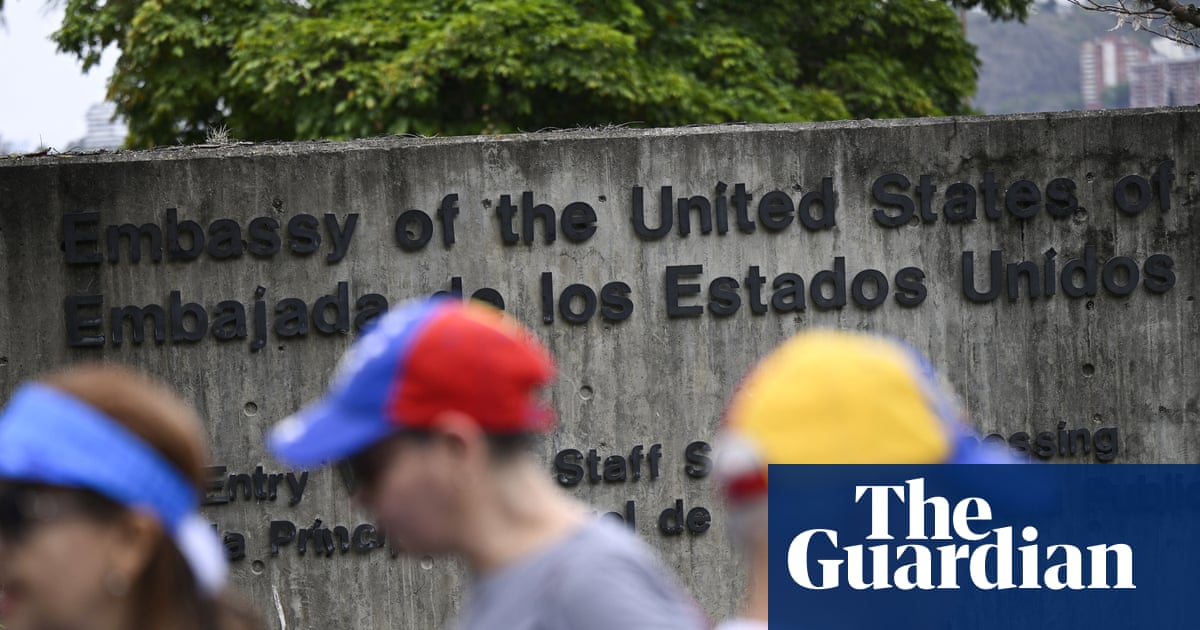
New Guidelines for U.S. Visa Applicants Introduced by State Department
According to new guidance from the State Department, applicants seeking temporary visas to the United States must reassure consular officials that they have not faced harm and possess no fears about returning to their home country. A “yes” answer to either question, or even a refusal to respond, significantly increases the likelihood of application rejection.
Details of the State Department’s Directive
The Guardian has acquired a State Department cable instructing personnel at all U.S. embassies and consulates worldwide to revise their procedures prior to applicant interviews. This measure aims to ensure that individuals do not fear potential abuse if they return to their nations of origin.
New Questions for Visa Applicants
The latest directive introduces two critical questions: “Have you experienced harm or abuse in your country of nationality or final habitual residence?” and “Do you fear harm or abuse if you return to your country of nationality?”
Addressing Concerns Over Misrepresentation
The State Department asserts that these new procedures seek to curb what it perceives as misrepresentation by applicants during the visa application process. The directive specifies that the increasing number of individuals applying for asylum suggests a significant number may be distorting their intentions to consular officials during visa processing or upon arrival at U.S. ports of entry. It emphasizes that current guidelines fail to collect sufficient information to identify individuals facing genuine threats of harm upon return.
Implications of the New Policy
This policy change follows a federal appeals court ruling that deemed President Donald Trump’s measures to restrict asylum seekers at the southern border illegal. This ruling effectively reopens the U.S. to immigrants fleeing persecution. In fiscal year 2024, the State Department issued nearly 11 million nonimmigrant visas, with data for 2025 still in processing. This category includes a diverse range of applicants, from tourists and students to skilled H-1B workers and seasonal laborers.
Screening Mechanism Excludes Victims of Persecution
U.S. law and the 1951 Refugee Convention affirm the right to seek asylum regardless of how one enters the country or what one discloses to visa officers. However, the new policy threatens to establish a screening mechanism that could exclude vulnerable populations, such as victims of domestic violence, journalists under threat, and members of persecuted religious minorities, even if their travel purposes are legitimate.
Legal Risks Associated with the New Guidelines
Applicants who choose to answer “no” despite a legitimate fear of harm risk committing perjury by providing materially false statements to federal officials, an offense that could lead to a permanent ban from the United States. The directive references Executive Order 14161, signed by President Trump in January 2025, which mandated enhanced immigration screening to deter individuals perceived as national security risks.
Review and Expansion of Visa Screening Measures
A government-mandated review led to a June 2025 proclamation from the White House that halted the entry of citizens from 12 countries and imposed partial restrictions on additional nations. Furthermore, a directive issued last March required consulates to broaden their screening of student visa applicants, including social media assessments, targeting those allegedly participating in “terrorist activities.” Notably, this was interpreted by many as an indication of potential bias against support for Palestine.
The cable also alludes to classified operational guidance housed within internal State Department systems, suggesting that the full extent of the new policy remains undisclosed to the public. As of now, the State Department has not responded to inquiries regarding this directive.
