


US Supreme Court Evaluates Temporary Protected Status for Immigrants
The US Supreme Court is currently hearing arguments regarding the Trump administration’s decisions about the future of Temporary Protected Status (TPS) for immigrants from countries including Haiti and Syria. With particular focus on the estimated 200,000 Salvadorans living in the United States, this case could have far-reaching implications for many. Salvadorans have held TPS for 25 years, allowing them to remain legally and work in the US as long as conditions back home are deemed unsafe by the Secretary of Homeland Security. Under the previous administration, TPS was terminated for all twelve countries benefiting from this program, prompting legal challenges and raising concerns about the rights of non-white immigrants.
Impact of TPS on Salvadorans in the US
Jose Urias, a businessman and father of two American children, remains optimistic despite the uncertainties surrounding TPS. With roots in Boston, Urias has lived and worked in the US under TPS since 2001, following two devastating earthquakes in El Salvador. Many Salvadorans, including Urias, fear the loss of their legal status could lead to job loss, family separation, and deportation to a country where they may no longer feel at home.
Urias, who crossed the border in 1994, has established a successful construction company that employs multiple workers. He emphasizes how much of his life has been built in the US, expressing concern over the sudden threat to their stability: “It’s like living the American dream and then all of a sudden, your time is up and someone wants to take away everything you’ve built.” His family dynamics are complex; while he and his wife are TPS beneficiaries, their two children have American citizenship, making them safe from the potential repercussions of a TPS termination.
Understanding Temporary Protected Status
Established by Congress in 1990, TPS was designed to protect individuals from deportation during crises in their home countries, including natural disasters and civil unrest. During the Trump administration, TPS was rescinded for approximately 1 million people, affecting groups from various countries, including Venezuela, Honduras, and Nicaragua. The administration’s hardline stance on immigration has reverberated through the lives of those protected under TPS.
El Salvador’s President Nayib Bukele’s collaboration with the Trump administration on security matters has led to ongoing discussions surrounding TPS. In 2019, Bukele asked for an extension of TPS; however, litigation prevented any immediate decision. Advocacy groups like the National TPS Alliance continue to challenge the termination of TPS in federal courts, recognizing the precariousness of the current situation.
Experiences of Salvadoran Families
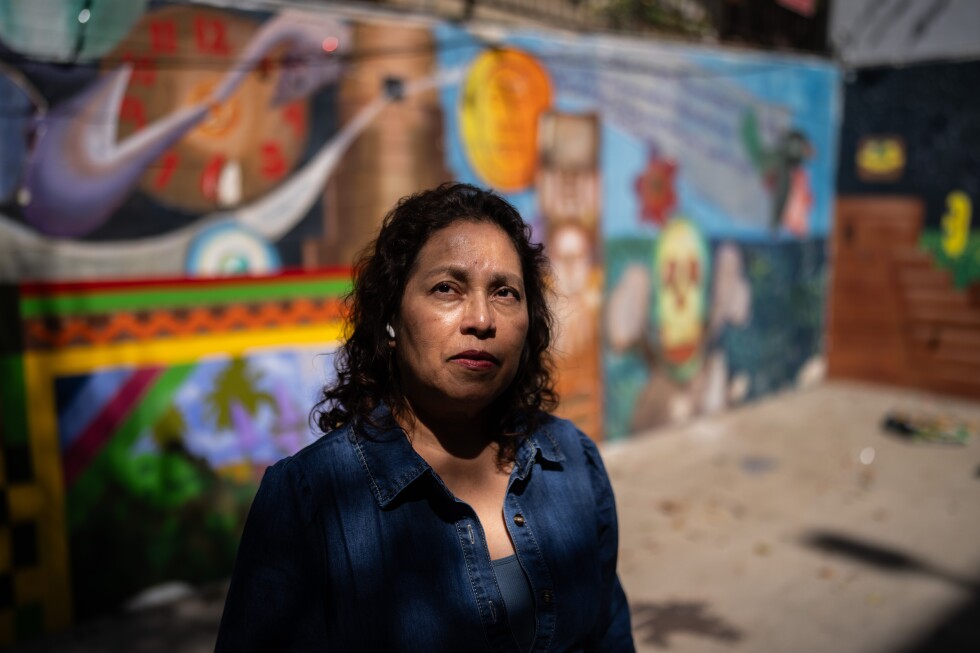
Lorena Zepeda, who crossed the border in 1991, exemplifies the struggles faced by many Salvadorans. Despite her tireless work in the US—including roles as a cook, elder caregiver, and an organizer for immigrant rights—Zepeda is the only member of her family lacking permanent legal status. Having sent remittances to her family back in El Salvador for over 30 years, she lives in constant fear of deportation, especially with her TPS status hanging in the balance.
As she navigates the complexities of her immigration status, Zepeda’s personal sacrifices as a mother are palpable. Her children, both US citizens pursuing their respective futures, express reluctance to relocate to a country they barely know. Zepeda reflects on her uncertain future, stating, “I’m very sad. Unfortunately, I know I’m not protected, but I believe in God.”
The ongoing debate surrounding TPS not only affects those directly involved but underscores larger issues within the US immigration system, revealing the intersection of policy, personal lives, and the ever-present hope for stability amid uncertainty.
Associated Press writer Marcos Aleman contributed from San Salvador, El Salvador.
