


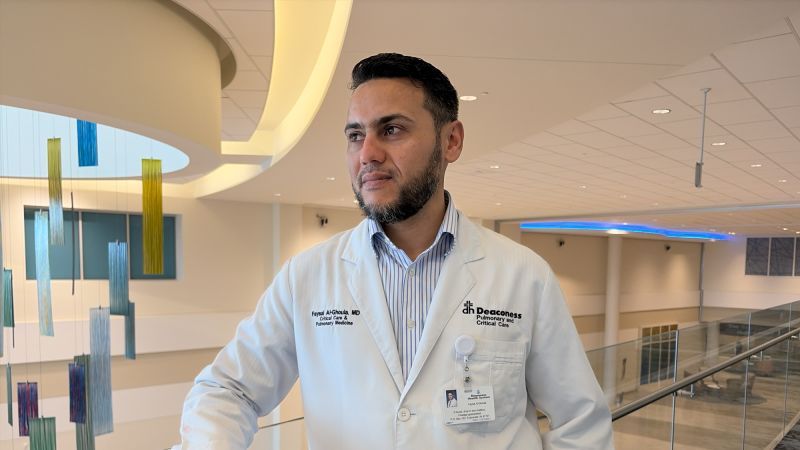
Doctor Faces Visa Renewal Challenges Amid Immigration Policy Changes
Dr. Faisal Alghula, a Libyan physician in southwestern Indiana, is struggling to renew his green card, a necessary step to continue providing care for approximately 1,000 patients. His plight highlights the broader issues that emerged when the Trump administration halted the review of visa applications from individuals in countries considered high-risk.
Impending Visa Expiration Raises Concerns
Alghula’s visa is set to expire in September if his renewal application is not approved. The uncertainty surrounding his situation adds to the pressure he faces as a dedicated healthcare provider in underserved regions.
Recent Exemptions Could Offer Hope for Medical Professionals
In a recent development, the government silently granted visa exemptions to doctors with pending applications. This shift may enable Alghula’s case to proceed, responding to calls from medical associations and immigration legal experts who have long emphasized the critical need for healthcare professionals in many areas. The National Library of Medicine has noted a significant reliance on foreign-trained doctors in rural communities.
Addressing the Physician Shortage
The growing physician shortage is particularly concerning for Alghula, an intensivist and pulmonologist servicing rural populations in Indiana, Illinois, and Kentucky. He noted the lengthy waiting periods for specialist consultations, stating, “It will be about four or five months before the pulmonologist comes.”
Uncertainties Persist for Visa Applicants
Despite the recent exemptions, immigration attorneys and applicants remain skeptical. While these changes allow for the reconsideration of cases, they do not guarantee visa renewal. The timely processing by U.S. Citizenship and Immigration Services for applications like Alghula’s remains in question, especially as many applicants await federal updates following the announcement.
Broader Impacts of Immigration Policy
Alghula expressed concerns about the potential risks of applying for document renewals, particularly given reports of migrants being detained during appointments. His anxiety has only intensified following a canceled interview for his application, leaving him uncertain about next steps.
Wider Implications for a Diverse Group of Immigrants
The suspension of visa processing has far-reaching effects, impacting thousands of individuals, including researchers and entrepreneurs from 39 countries such as Iran, Afghanistan, and Venezuela. Many of these individuals are unable to work legally, secure health insurance, or obtain driver’s licenses, further complicating their lives and careers in the United States.
Recent Policy Changes Raise Questions
The Trump administration’s decision last year to halt the review of applications from high-risk countries, and the subsequent suspension of applications from over 75 nations this year, has drawn sharp criticism. Officials cited concerns over public assistance as a justification for these drastic measures, amid wider immigration enforcement crackdowns.
Calls for Attention to Immigrant Issues
Immigration attorney Greg Siskind articulated growing frustrations, suggesting that ongoing bans and suspensions are designed to make life increasingly difficult for those legally residing in the U.S. Meanwhile, healthcare advocacy groups are voicing significant alarm over the number of doctors seeking assistance, as the healthcare system grapples with a critical shortage of personnel.
Legal Battles Intensify
Many affected immigrants have resorted to filing federal lawsuits to seek resolutions. Case in point, Dr. Zahra Shokri Warniab, an Iranian physician, filed a lawsuit after her green card application was indefinitely suspended, resulting in a federal judge ordering immigration officials to review her case. However, her application was ultimately denied, raising concerns about the motivations behind decisions made by immigration officials.
Current Struggles for Researchers and Professionals
The suspension is also affecting professionals in science and technology fields. Kaveh Javansir-Javid, who came from Iran to pursue a doctorate, is currently navigating financial difficulties as he awaits employment authorization. His situation reflects the precariousness many face while their futures hang in the balance due to immigration complexities.
