


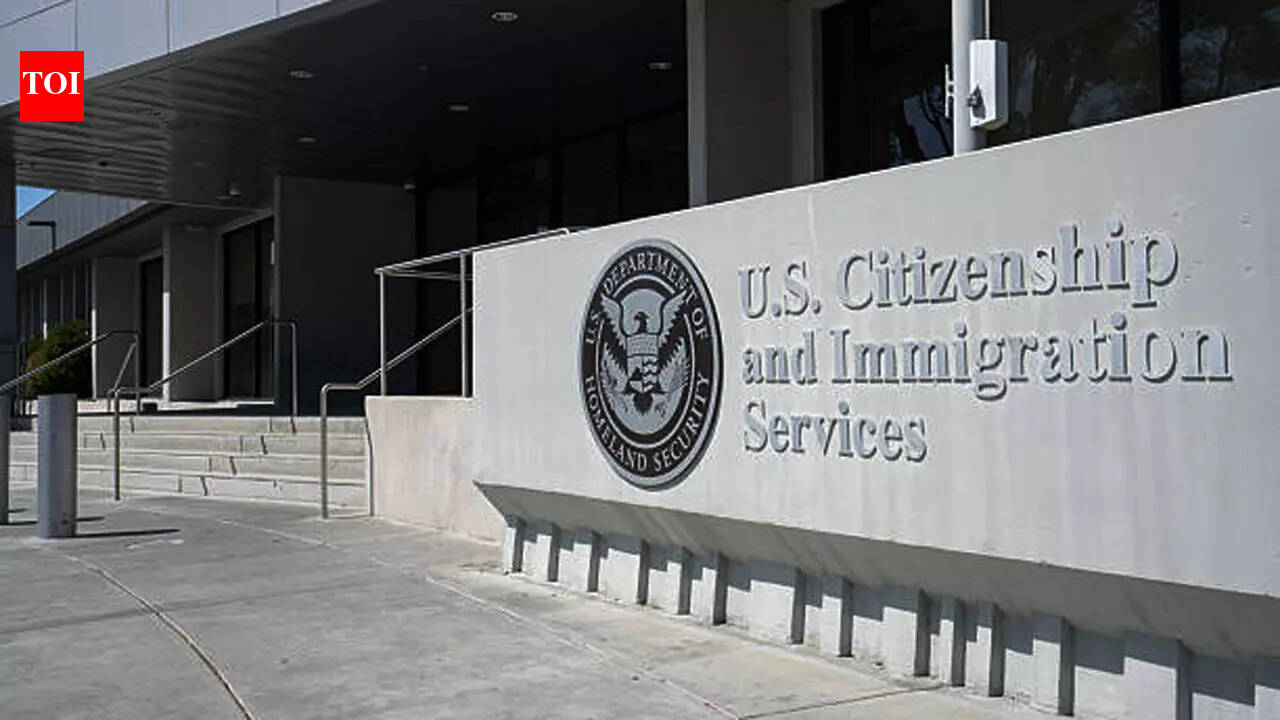
The Department of Homeland Security (DHS) has recently outlined new signature requirements for U.S. Citizenship and Immigration Services (USCIS) applications. Under these updated rules, immigration agents can deny applications if they identify an invalid signature, potentially forfeiting the application fee as well. Previously, USCIS would reject applications that were unsigned, but the new guideline allows for denials even if the issue is discovered years later during the application process. This regulation affects all “Applications for Benefits” submitted to USCIS on or after July 10, 2026.
DHS announced these changes to refine how benefit applications are processed and enhance compliance with signature requirements. An Interim Final Rule (IFR) was published in the Federal Register on May 11, 2026, stating that if USCIS initially accepts an application that later turns out to lack a valid signature, the agency holds the discretion to deny or reject that application. This rule is set to take effect on July 10, 2026.
Definition of a Valid Signature by USCIS
USCIS clarifies that acceptable valid signatures include:
- Handwritten signatures
- A handwritten “X” or thumbprint
- An approved electronic signature submitted through USCIS’s official online system
Interestingly, scanned or photocopied versions of an original handwritten signature remain permissible.
Prohibited Signature Practices According to USCIS
Conversely, USCIS explicitly prohibits several practices regarding signatures:
- A name typed in lieu of a signature
- A stamped signature
- A signature copied and pasted from an image
- A signature generated by software
- A signature signed by a third party without proper authorization
- Any instance where an attorney, author, or interpreter signs on behalf of the applicant
Scope of the New USCIS Signature Regulations
The newly introduced signature requirements significantly impact almost all applicants seeking immigration benefits, not limited to any specific visa category. An invalid signature could affect several groups, including but not limited to:
- Employment-based visa candidates
- Family-based green card seekers
- H-1B visa applicants
- L-1 visa applicants
- F-1 student visa applicants
- OPT and STEM OPT candidates
- Adjustment of Status applicants (Form I-485)
- Work authorization applicants (EAD)
- Asylum applicants
- Naturalization and citizenship applicants
- TPR and DACA-related applicants
- Employers submitting immigration applications
This rule is relevant to specific forms, such as Form I-918 (U Visa Application), where delays may arise if signature issues are discovered long after submission. It also includes Forms I-129 and I-140, used for various work visas and employment-based green cards, respectively.
Possibility of Correcting Signature Errors
In most cases, applicants will not be able to rectify invalid signatures after submission. USCIS has stated that there is no automatic option to “cure” invalid signatures, as these applications would not have been filed correctly to begin with. This strict approach aims to streamline the immigration process and uphold regulatory standards.
