


Child Delinquency Case Highlights System Failures in Colorado
Tony S., a 12-year-old boy diagnosed with autism spectrum disorder, has been in custody for over six months despite a Colorado judge’s order for his release. Burdened by cognitive impairment and behavioral challenges, Tony is terrified of appearing in court handcuffed. Like many children his age, he yearns to listen to country music and engage in board games.
Using a pseudonym for anonymity, Tony is a part of a class action lawsuit launched in March by the ACLU National Prison Project, the ACLU of Colorado, Colorado Children’s Rights and Disabilities Act, and the law firm Ropes & Gray. The lawsuit cites hundreds of children, including those with disabilities and in foster care, who remain detained despite judicial orders to place them in foster homes or provide them with therapeutic services. Many of these children linger in detention for extended periods due to Colorado’s inability to secure suitable placements.
The failure to release children to more appropriate, community-based settings infringes upon their constitutional and statutory rights. Specifically, the confinement of disabled children violates the Americans with Disabilities Act. Furthermore, the Fourteenth Amendment offers protection against detention while a case is under judicial review, emphasizing the rights of vulnerable children.
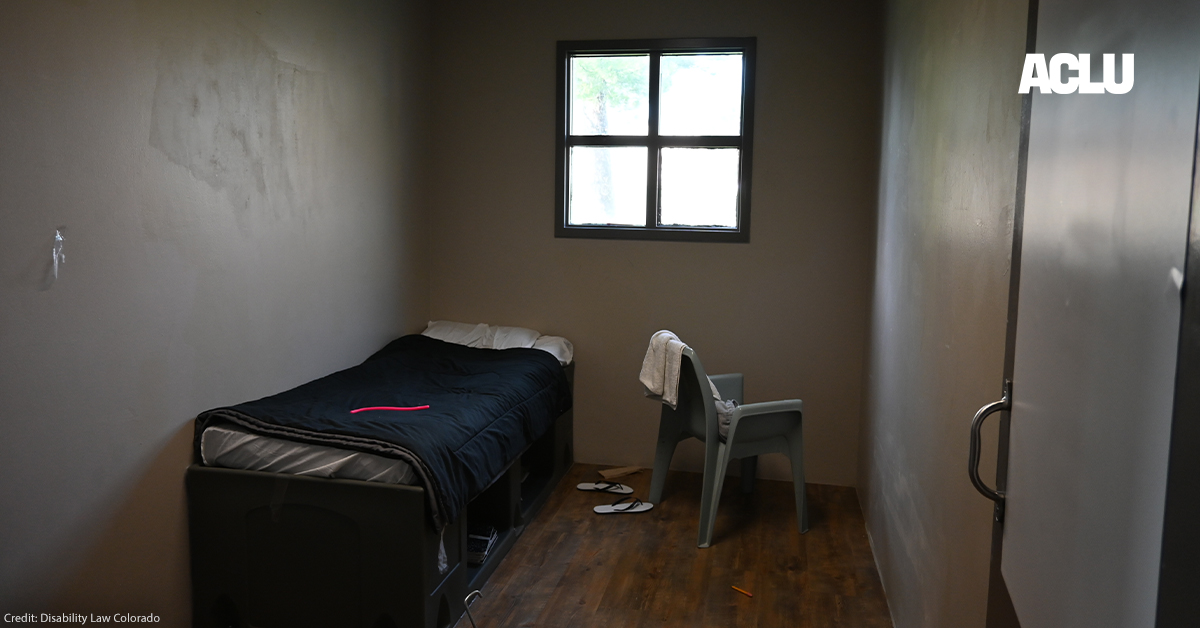
Conditions at Colorado’s Department of Youth Services (DYS) resemble those of adult prisons. The facility is secured with locked doors and barbed wire, featuring cell-like bedrooms furnished with basic amenities. Overhead lights remain on throughout the night, allowing staff to monitor the children through cell doors. Youth are handcuffed during court appearances and subjected to strip searches and aggressive restraint methods.
Accounts from children in the facility reveal prolonged feelings of despair and isolation. During a video call, another 12-year-old described a spring break filled with disappointment and tedium, lamenting the lack of activities beyond school. He resorted to teaching himself to shuffle cards and expressed a desire for companionship, hoping someone could visit him to share in simple pastimes.
Time spent in detention carries significant long-term repercussions. Research indicates that extended periods in restrictive environments adversely affect children’s physical, neurological, psychological, and social development. Detention disrupts education and relationships while limiting future opportunities, ultimately increasing the likelihood of ongoing involvement in the juvenile justice system. Colorado officials are well aware of these ramifications, having previously acknowledged the harmful effects of detention and the need for more timely transitions to community-oriented settings.
Unfortunately, Colorado is not alone in this troubling trend. Across the nation, states often choose detention as a convenient solution, neglecting the establishment of community-based programs and necessary support systems. A recent bipartisan Congressional report led by U.S. Senator Jon Ossoff and Representative Jen Quiggans brings attention to this widespread issue. Just last month, a bill was proposed in Tennessee allowing the detention of foster children merely due to a shortage of available placements.
Children belong in nurturing environments—schools, parks, sports practices, homes with families, summer camps, and creative classes—not in institutional settings. This case sends a powerful message to state governments about their responsibilities toward vulnerable youth. Colorado must urgently invest in creating a continuum of support services and appropriate placement options that prioritize the welfare of children over reliance on detention.
