


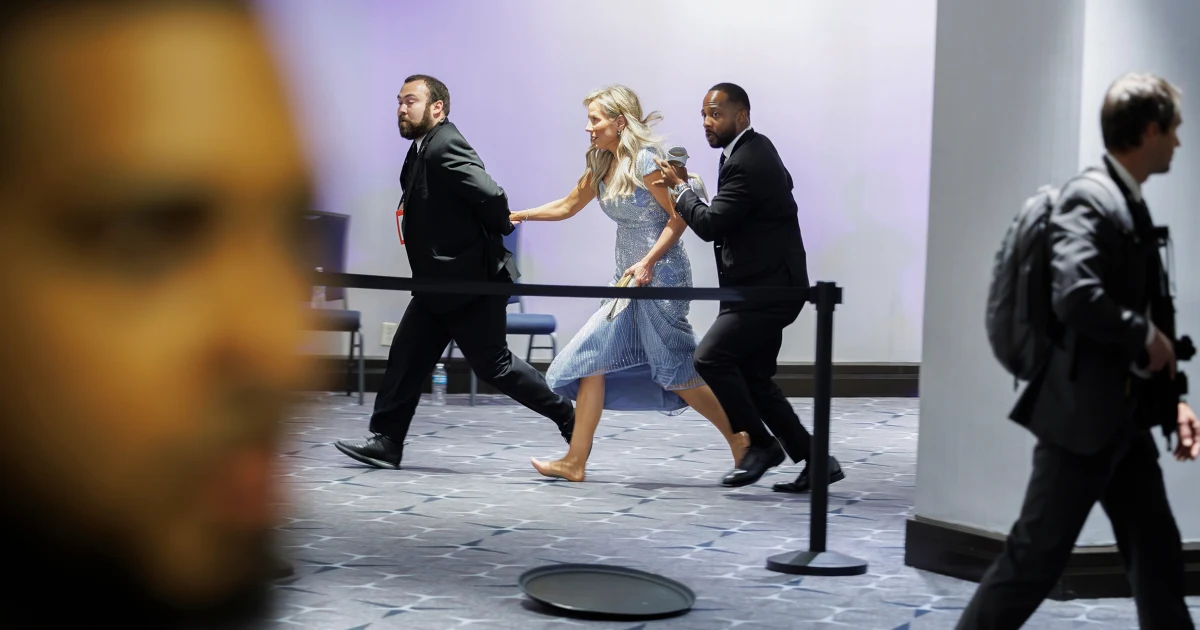
Surge of Misinformation Follows Shooting Incident
A significant wave of misinformation, conspiracy theories, and false claims emerged following the shooting at the White House Correspondents’ Association dinner, much of it centered on unfounded theories suggesting the incident was staged. These narratives proliferated on social media with disconcerting speed.
Rapid Speculation Amidst Verified Information
Speculation began to circulate on social media mere minutes after reports of the shooting were released, gaining traction throughout Sunday. This occurred despite journalists and authorities, many of whom had attended the event, swiftly providing verified information regarding the suspect.
Evidence About the Suspect Unveiled
Authorities confirmed that Cole Thomas Allen, a 31-year-old from Torrance, California, attempted to access the event armed and was subsequently apprehended by law enforcement. A government official revealed that Allen had sent messages expressing anti-Trump sentiments to family members prior to the incident.
Speed of Conspiracy Theory Spread Noted
Former President Donald Trump remarked on the rapid spread of conspiracy theories in an interview, noting, “Normally it takes a little longer.” This reaction, occurring within just a few hours, underscores how widespread conspiracy thinking has become, particularly in light of eroding trust in institutions, compounded by intense partisan dynamics.
Pervasive Conspiracy Culture Examined
Michael Barkun, professor emeritus of political science at Syracuse University, commented on the current societal climate saturated with conspiracy theories, suggesting that it is no surprise such narratives proliferated. Online platforms like Reddit and Instagram showcased numerous posts insinuating that the shooting was staged, with a dominant sentiment in the comments suggesting skepticism toward official narratives.
Criticism Across the Political Spectrum
While many high-profile Democratic figures distanced themselves from conspiracy theories, criticism also arose from both conservative and liberal commentators. White House Press Secretary Davis Engle strongly condemned assertions that Trump orchestrated the assassination attempt as misguided.
Historical Context of Conspiracy Theories
Despite instances in history where staged attacks, often termed “false flags,” have been claimed, they remain exceedingly rare. Recent years have seen such theories gain traction across various political factions. Mark Fenster, a professor specializing in conspiracy theories, noted that today’s environment allows such ideas to spread more rapidly and broadly, highlighting a growing political divide that threatens cooperative governance.
False Narratives and Misinformation Amplified Online
In addition to theories surrounding a staged incident, various misleading claims have surfaced online. Viral fake images and AI-generated videos falsely depicting events have only muddied the waters further. Some online users connected unrelated prior statements from Trump supporters to conspiracy claims, accusing them of orchestrating the incident for political benefit.
Reactions and Warnings from Experts
As various factions began to interpret the incident through their own lenses, experts like Fenster and Barkun cautioned over the implications for American society. They warned that deep-rooted suspicion and conspiratorial thinking are eroding trust in political institutions, making it increasingly difficult to navigate governance effectively.
