


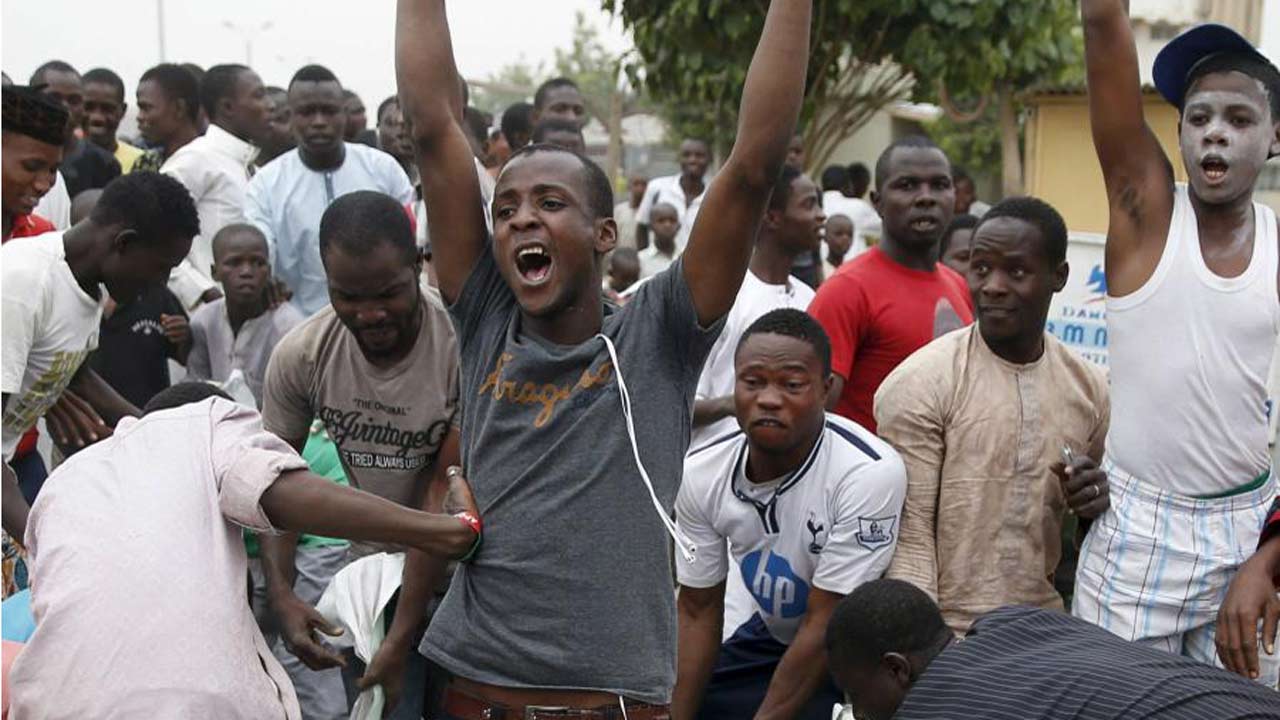
Youth Discontent Signals a Growing Need for Political Awareness
There is undeniable unrest among the youth in our country, a sentiment that cannot be ignored. While political leaders may choose to overlook the potential fallout from this discontent, the reality is that young people are a formidable catalyst for change—both constructive and destructive. When their frustration reaches a tipping point, it can erupt with tremendous force.
The Impact of Protests on Political Engagement
The #EndSARS protests in October 2020 exemplified the power of youth mobilization against police brutality, following tragic incidents in Delta State. What began as a peaceful demonstration escalated as government forces responded with violence, leading to tragic consequences. Despite the suppression of voices, the protests successfully compelled the government to acknowledge the overreach of the Special Anti-Robbery Squad (SARS), resulting in its eventual disbandment. This new dynamic has left young people resolved to voice their concerns, knowing that neglect from their leaders will have dire consequences.
Recent Events Highlight Growing Youth Awareness
Recent protests surrounding the mysterious death of popular artist Morbad further illustrate that the youth are acutely aware of their societal circumstances. If the government had engaged proactively in these discussions, the situation could have diffused more peacefully. This fear of youth activism must be recognized as a crucial impetus for political education among leaders, as it may otherwise lead to unstable consequences.
Enrollment vs. Capacity in Education
With nearly 45 percent of the population comprising young people, the responsibility to nurture tomorrow’s leaders leans heavily on the older generation. Currently, Nigeria boasts 259 universities alongside numerous polytechnics and colleges. However, the stark reality is that many of these institutions are overstrained and inadequately equipped to meet the demand for education. A report from Daily Trust highlighted that from 2010 to 2015, over 1.1 million applicants sought admission but only a fraction secured spots. This systemic issue remains unresolved, warranting urgent attention.
The Quality of Higher Education in Question
Despite the numerous higher education institutions, a troubling narrative looms beneath the surface. The current educational system fails to effectively prepare young people for their roles as future change agents. As the late Mbadiwe criticized, the state of education often falls short of fostering genuine competence. The pressing concern is not merely the number of graduates but the actual preparedness and employability of these individuals.
The Unemployment Crisis Deepens
Statistics paint an alarming picture. As of 2020, youth unemployment soared to 33.3%, affecting nearly a third of the population. Recent claims by the Office for National Statistics suggesting a dramatic drop to 4.1% lack substantial evidence and highlight the disconnect from reality. This misrepresentation only serves to obscure the severity of the employment crisis facing the nation.
Addressing the Underlying Issues of Youth Unemployment
The exploitation of youth desperation for nonexistent job opportunities represents a significant moral failure within the system. While past leaders, including former President Obasanjo, have warned of impending calamities linked to youth unemployment, the warning bells seem increasingly ignored. The ongoing recruitment of vulnerable young individuals into criminal activities underscores the urgent need for genuine engagement and reform. If the nation’s leaders fail to establish a constructive relationship with the youth, the consequences will reverberate through both the present and future of governance.
Combating Economic Challenges and Resource Misallocation
Some of the blame for the current dilemma can be attributed to economic conditions and the misallocation of resources. Financial resources often flow according to political agendas rather than public need. As Vice President Kasim Shetima recently remarked, the inherited economic mess demands urgent attention. The failure to align educational output with job creation perpetuates a cycle of unemployment and dissatisfaction, threatening the nation’s stability. If left unaddressed, these issues may very well continue to erode the foundation of societal progress.
