


Senate Confirmation Hearing for DHS Nominee Sparks Controversy
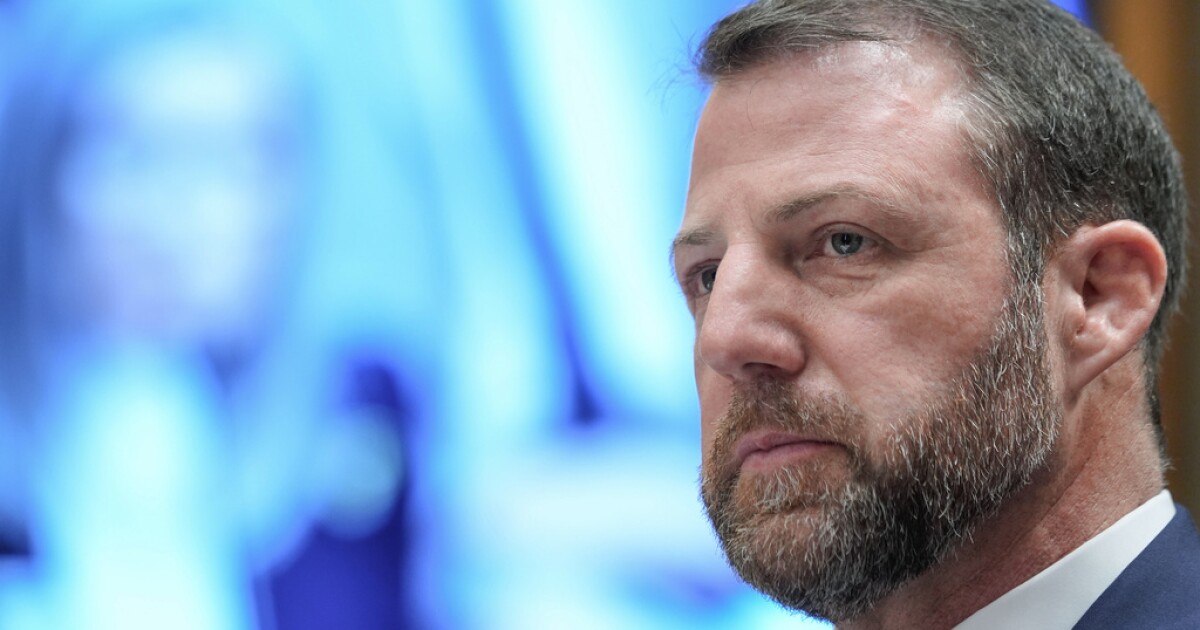
The Senate confirmation hearing for President Donald Trump’s nominee to lead the Department of Homeland Security (DHS) began with significant tension. Senator Rand Paul, Chairman of the Homeland Security Committee, directly engaged with Senator Markwayne Mullin, addressing reports in which Mullin allegedly referred to Paul as a “snake” following a violent incident in which Paul was assaulted by a neighbor in 2020.
During the hearing, Paul challenged Mullin, demanding clarity on his stance regarding the assault. “Tell me to my face why you think I deserved to be assaulted from behind and have six broken ribs and a damaged lung,” he stated, emphasizing the serious nature of the incident. In response, Mullin attempted to mitigate the situation, claiming, “I didn’t say I support it. I said I understand.”
This exchange highlighted the broader concerns surrounding Mullin’s nomination, which now seems precarious. Following the session, Paul announced his decision to oppose Mullin’s confirmation, raising questions about the future of the nomination.
President Trump nominated Mullin to succeed Kristi Noem as Secretary of Homeland Security, a position that has recently faced scrutiny due to Noem’s handling of tragic incidents involving Minnesota immigration enforcement officers, which resulted in the deaths of Renee Good and Alex Preti.
Both Noem and Mullin faced backlash for their comments concerning Preti after the shooting incident in January. Shortly after the event, Mullin characterized Preti as a “deranged individual” during a Fox News interview, remarks he later admitted were inappropriate and promised he would refrain from making similar statements if confirmed as DHS Secretary.
When pressed on whether he would extend an apology to Preti’s family, Mullin responded cautiously, stating, “I haven’t seen the investigation. We will go through the investigation. If I am proven wrong, then absolutely I will do that.”
The leadership change at DHS comes at a time of upheaval, as Congress struggles to finalize a spending bill, leading to a department shutdown. This impasse has left thousands of DHS employees, including those at the Transportation Security Administration, without pay.
Democratic lawmakers continue to advocate for substantial policy adjustments regarding immigration enforcement before they agree to fund DHS. Among their proposals are requirements for Immigration and Customs Enforcement (ICE) agents to operate without masks and to avoid enforcement actions near sensitive areas such as hospitals and schools, requests that face strong opposition from Republican counterparts.
Another key demand from Democrats is for immigration agents to utilize judicial warrants instead of administrative ones when executing arrests on private property. Mullin responded to this, stating, “We do not enter homes or businesses without a judicial warrant unless we are pursuing a business, occupant, or individual who has taken refuge in a residence.”
In addition to immigration enforcement, Mullin also faced inquiries regarding the future of the Federal Emergency Management Agency (FEMA). The President has indicated a desire to significantly roll back the federal government’s role in disaster response, a viewpoint reinforced by Noem. Mullin expressed his willingness to support a restructuring of FEMA but clarified that he does not advocate for its abolition, a stance that may conflict with the President’s approach.
A vote in the Homeland Security Committee is anticipated as early as Thursday. Despite potential obstacles in Mullin’s confirmation process, there remains a possibility for his nomination to progress directly to the Senate floor, facilitated by Majority Leader John Thune, who can bypass the committee if necessary.
