


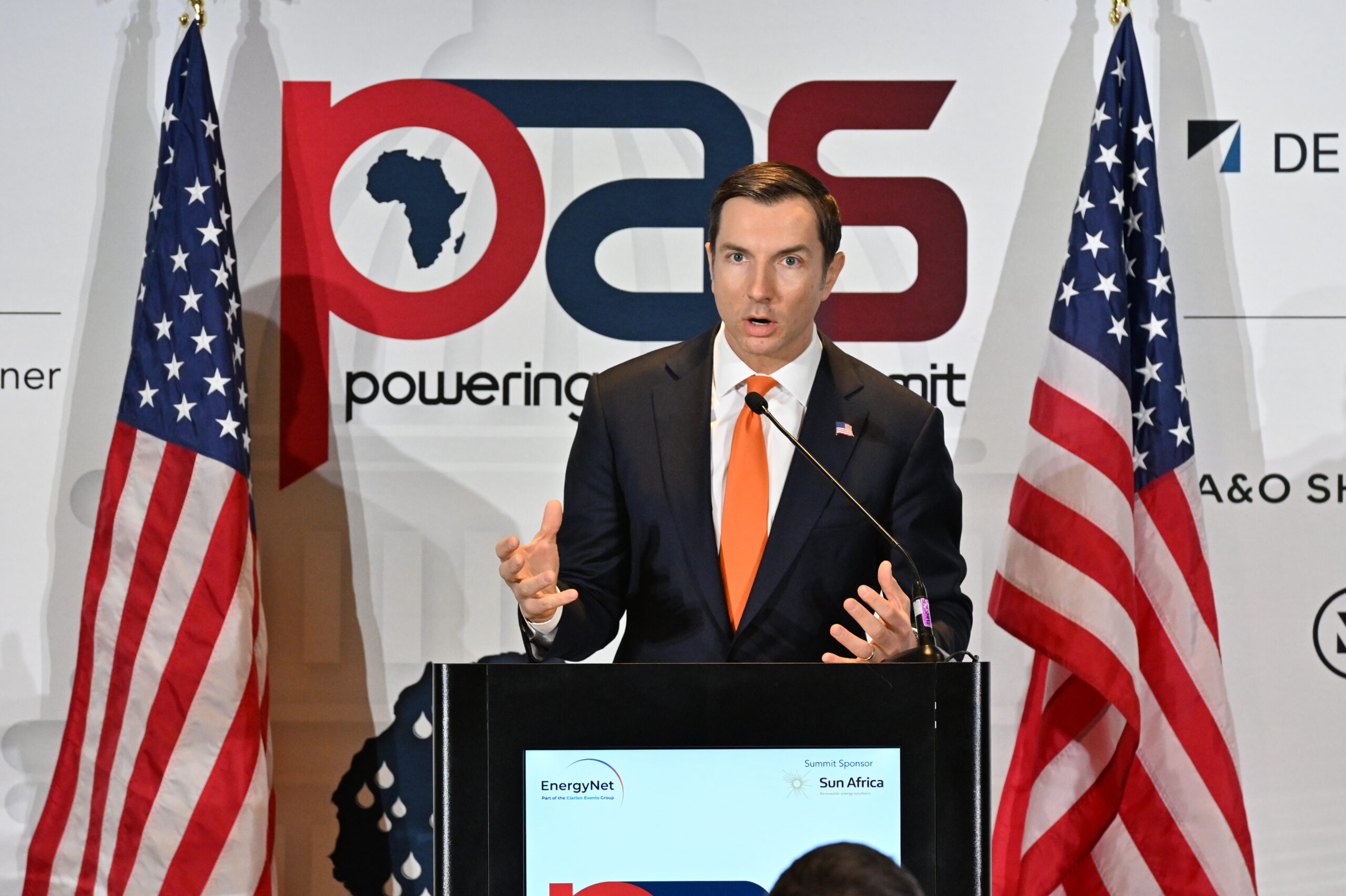
Powering Africa Summit Marks Shift to Implementation
The Powering Africa Summit commenced with a strong emphasis on transitioning from dialogue to action, as key stakeholders, including summit sponsor Sun Africa and government officials, urged the need for bankable projects, scalable infrastructure, and an enhanced U.S.-Africa investment relationship.
Energy at the Core of Economic Development
Adam Cortese, CEO of Sun Africa, underscored the critical role of energy in fostering industrial growth and strengthening transatlantic partnerships. He noted, “Energy is not just a commodity; it serves as the essential link driving economic growth, security, and prosperity on both sides of the Atlantic.” Cortese highlighted the importance of U.S.-African cooperation in implementing projects, emphasizing that these initiatives are more than mere power plants—they are vital conduits of progress that energize remote communities, fuel factories, and enhance transportation networks.
New Initiatives Target Mineral Development
Cortese announced promising initiatives in Liberia aimed at linking energy production directly to critical mineral development. This venture is projected to deliver up to 500 megawatts of utility-scale solar power, backed by 200 megawatt hours of battery storage and essential infrastructure for the mining sector. He stated that this initiative would “secure the supply chain that has benefitted U.S. industry,” highlighting its significance in the broader context of economic sustainability.
Driving Commercial Viability in Future Projects
Emphasizing the need for commercial viability, Cortese remarked that upcoming projects should not be merely temporary policy initiatives but should be grounded in mutual benefits that persist across political administrations. He called for the development of bankable projects, transparent frameworks, and scalable models to achieve these goals.
Access to Energy as a Catalyst for Economic Transformation
Ruth Ssentamu, Uganda’s Minister of Energy and Mineral Development, highlighted the centrality of energy access to economic transformation. She stated, “Ending energy poverty is essential because access to energy forms the foundation of both humanity and the economic landscape.” Ssentamu urged stakeholders to move beyond planning to execution, stressing that simply providing energy is insufficient; it must also encourage genuine socio-economic development.
The Democratic Republic of the Congo’s Strategic Role
Acacia Mbongo, Minister of Hydrocarbons for the Democratic Republic of the Congo, positioned his country as pivotal in the global energy transition. He commented on the strategic cooperation opportunities presented by the transition, noting that the Democratic Republic of the Congo grapples with three critical challenges: oil, natural gas, and essential minerals. Mbongo outlined a strategic focus on gas development, infrastructure, and mineral value chains, inviting U.S. investors to engage in significant opportunities in these areas.
U.S. Financial Engagement in Africa Expands
John Jovanovich, president and chairman of the Export-Import Bank of the United States (EXIM), confirmed that the U.S. is amplifying its financial commitments across Africa, now operating in almost all 49 sub-Saharan countries and doubling its lending to the continent. He emphasized that energy and supply chain considerations are central to the U.S. strategy, which he noted impacts not just nations and businesses but affects every household.
The overarching theme during the summit’s opening remarks was clear: the U.S.-Africa energy partnership is progressing into a more commercial, project-oriented phase, prioritizing delivery over discussion.
