


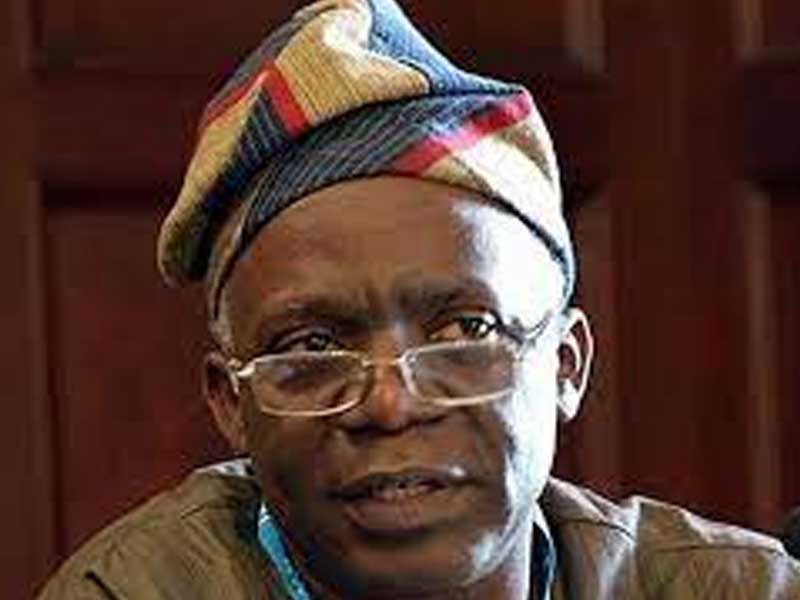
Nigerian Advocate Appeals to African Human Rights Commission Over Violence in South Africa
Femi Falana, a prominent Nigerian senior advocate, has officially petitioned the African Human Rights Commission, highlighting urgent safety concerns for Nigerians and other African nationals residing in South Africa. In his communication, Falana characterizes the situation as one of growing peril, reflecting a troubling pattern of xenophobic violence in the region.
Submitting his petition under the African Charter on Human and Peoples’ Rights, Falana urged the Commission to take prompt action and escalate the matter to the African Court of Human and Peoples’ Rights for a binding resolution. He cites a consistent trend of violence including killings, physical assaults, arbitrary arrests, and forced displacements that pose serious risks to foreign nationals.
Falana’s petition details a “persistent, widespread, and well-documented” occurrence of violence against Nigerians and other African nationals in South Africa. He argues that these attacks are not isolated incidents but rather indicative of a systemic failure to safeguard foreign residents.
Recent events underscore the severity of these issues. The Nigerian Consulate General in Johannesburg reported two deaths of Nigerian nationals, Amaramilo Emmanuel and Ekpenyong Andrew, resulting from encounters with South African National Defense Force personnel in April 2026. Reports indicate that Mr. Andrew was found deceased in a morgue post-arrest, while Mr. Emmanuel reportedly succumbed to injuries inflicted by security officers, leaving the Nigerian community in shock.
Moreover, there has been a resurgence of violent mob attacks against African immigrants. Disturbing footage from May 2026 depicted groups of South Africans assaulting and threatening black foreigners, demanding their deportation. These aggressive acts, characterized by severe physical violence and degrading treatment, have been reported across multiple regions, including Gauteng, Durban, and Cape Town.
In light of these incidents, diplomatic missions such as the Nigerian High Commission have issued security advisories regarding anticipated protests and violent demonstrations targeting foreign nationals. Other African governments, including Ghana, have echoed these concerns, labeling the situation as highly alarming and calling for immediate intervention.
The report noted that over 130 Nigerian nationals have requested evacuation due to these escalating security threats. This rising hostility toward foreigners is compounded by socio-economic tensions and an inadequate response from regional authorities. Vulnerable groups, particularly women and children, bear the brunt of this violence, facing heightened risks of exploitation and displacement.
Since 2019, at least 127 Nigerians have been killed in South Africa, prompting protests advocating for the nationalization of South African companies operating in Nigeria. Efforts by the South African government to apologize for previous xenophobic attacks reflect the tension surrounding this issue, yet meaningful action has often been lacking. Instead of directing security forces to address ongoing violence, President Cyril Ramaphosa has publicly called for migrants to adhere to South African laws and customs.
Despite ongoing xenophobic attacks, the South African state’s continued failure to implement effective protective measures fosters an environment of impunity, emboldening future aggressors. This alarming trend not only violates numerous articles of the African Charter but also risks undermining the foundational values of dignity and equality within the African human rights framework.
Falana’s comprehensive petition appeals for serious consideration and indicates a pressing need for accountability and reform. It emphasizes that the systematic violence and the inadequate state response require urgent action to protect the rights and safety of foreigners residing in South Africa.
