


Increased Funding for ICE Amidst Rising Complaints
Reports of inadequate detention conditions are growing across the United States, raising serious concerns as substantial funding flows into Immigration and Customs Enforcement (ICE). Allegations of poor treatment range from substandard food to inadequate medical care, affecting detainees from Texas to New Jersey.
Last week, Congress allocated billions to ICE, concluding a failed attempt by Democrats to reform the agency. The recently enacted Safe America Act will provide ICE with over $38 billion to cover personnel costs, facility upkeep, transportation, and other essential services through the remainder of President Donald Trump’s term.
This funding follows a historic allocation of $75 billion last year, over half of which was designated for detention operations. According to the latest figures, more than 60,000 individuals were held in ICE custody as of early April.
Rising Alarm Over Detention Conditions
As unprecedented funding boosts ICE’s operations, an increase in complaints about detainee treatment has emerged. Advocates, detainees, and oversight groups have reported issues including spoiled food, unsanitary conditions, and limited access to healthcare.
Detainment serves as a crucial element of the administration’s deportation strategy, with federal officials asserting that it ensures noncitizens appear in court and facilitates the deportation process when necessary. However, immigration advocates argue that the harsh realities of detention may compel some individuals to accept deportation to escape extended confinement.
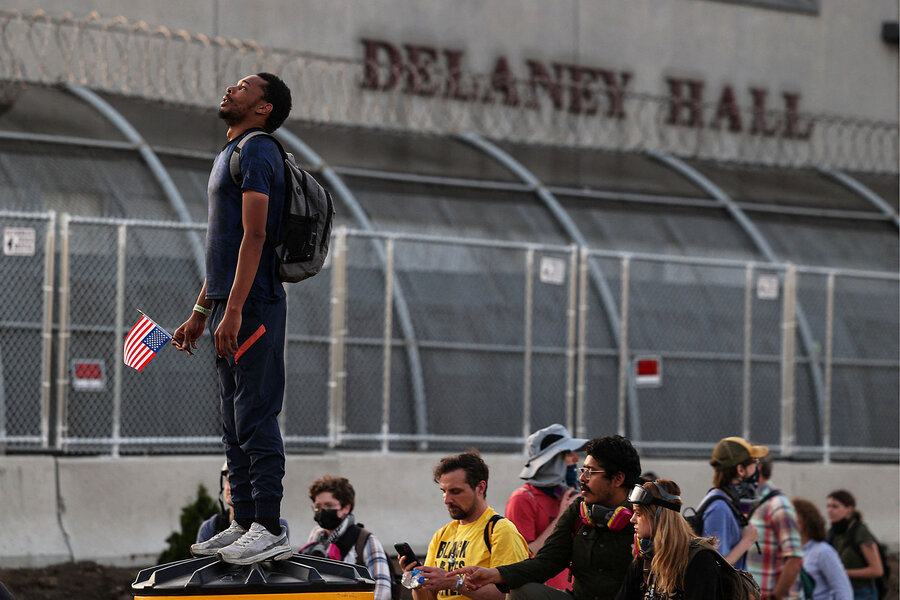
The Delaney Hall facility in New Jersey has become a focal point, drawing attention from federal investigators and detainee testimonials about ongoing mistreatment. This facility was reopened last year as a detention center under the Trump administration.
Protests and Calls for Reform at Delaney Hall
Recent weeks have seen over 80 arrests as protests erupted outside Delaney Hall, where demonstrators sought to support detainees. Complaints lodged by detainees, publicized by the American Friends Service Committee, include allegations of expired food, inadequate medical attention, and harsh treatment from security personnel.
New Jersey Governor Mikie Sherrill, after conducting a limited inspection, stated that detainees should have their voices heard and that residents deserve answers. The state Health Commissioner has initiated legal action against GEO Group, the for-profit company managing the facility, accusing them of restricting access for health inspections.
While the Trump administration has denied the existence of poor conditions at ICE facilities, Secretary of Homeland Security Mark Wayne Mullin defended the agency’s practices, suggesting that detainees unhappy with the food are free to return home. Congressman Jeff Van Drew, who visited Delaney Hall, praised its cleanliness and stated that the meals were nutritious.
Findings from Investigations at Other ICE Facilities
Concerns over detention conditions extend beyond Delaney Hall. A June report from the Department of Homeland Security’s Office of Inspector General highlighted issues at other ICE facilities, including the Wynn Correctional Center in Louisiana, where inspectors pointed out sanitation failures and inadequate access to legal materials.
An analysis by the Government Accountability Office (GAO) revealed problems at Camp East Montana, an ICE facility in Texas, noting significant planning flaws that resulted in wasted resources, unsanitary conditions, and insufficient medical care. Following an incident that led to a detainee’s death in January, the facility failed to submit necessary reports to ICE, resulting in lost evidence.
Incidents involving the use of force by detention officers increased by 37% in Trump’s first year, as detailed in a Washington Post investigation. While the Department of Homeland Security maintains that in-custody death rates remain low, at less than 0.01%, reported fatalities among detainees have surged this year.
The Fate of Oversight Mechanisms for ICE Detainees
The establishment of a dedicated oversight agency within the Department of Homeland Security in 2019 aimed to investigate violations in immigrant detention. However, the Trump administration dismantled this office, arguing that it interfered with immigration enforcement. Advocates for immigrant rights have expressed concern over the implications of diminished oversight.
Michel Blanet, who served as ombudsman during the Biden administration, criticized the administration’s actions, arguing that they undermine the safety and rights of detainees. “If we restrict individuals’ freedom, we have a moral obligation to ensure their safety,” he asserted, highlighting the critical need for effective oversight in the immigration detention system.
