


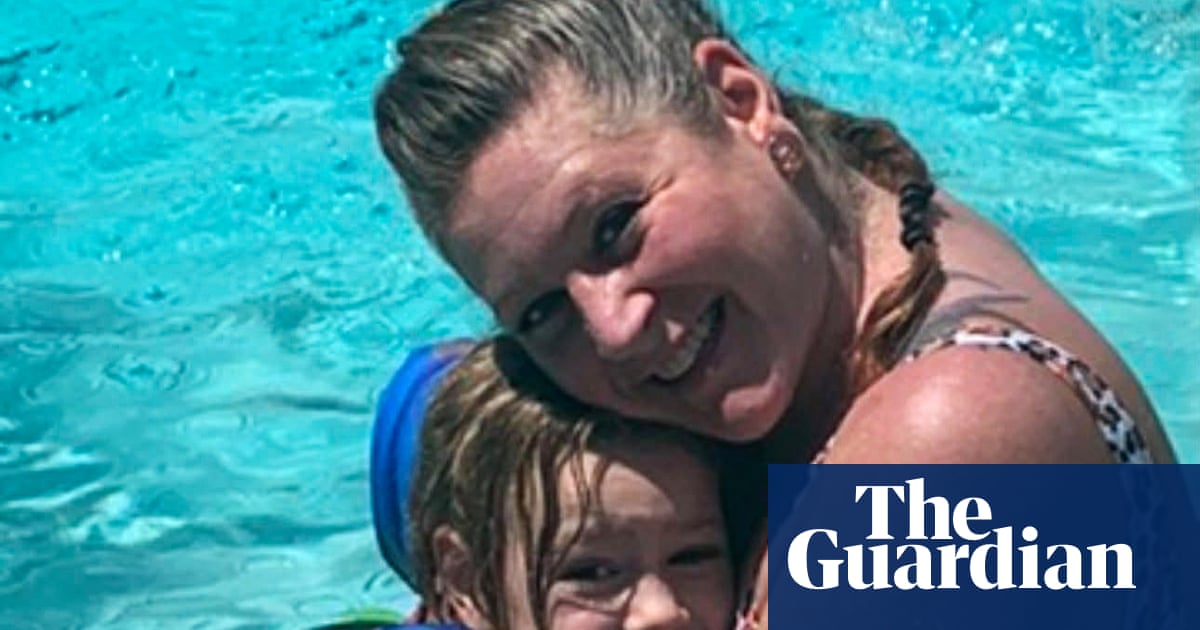
Canadian Family Detained by U.S. Immigration Authorities Describes Trauma
A Canadian woman with autism and her seven-year-old daughter have been held by U.S. Immigration and Customs Enforcement (ICE) for nearly a week. Recently transferred to a controversial detention center, they have been advised to “voluntarily deport” to Canada, according to statements made by her husband. He reports that both mother and daughter are “traumatized” by their experience.
Background of the Family’s Immigration Journey
Tania Warner and her daughter, Ira Luca, originally hail from British Columbia. They moved to the United States five years ago after Tania married American citizen Edward Warner. Currently residing in Kingsville, Texas, the family’s ordeal began on March 14 while returning home from a baby shower in Raymondville. They were stopped at the Sarita Border Patrol checkpoint, leading to their lengthy detention.
Communication Challenges Amid Detention
Edward Warner has reported that his communications with Tania have been limited to brief phone calls lasting just a few minutes. During these conversations, Tania has expressed feelings of trauma and fear, reportedly needing to whisper to avoid detection by officials. Edward has described the Border Patrol agents as unprofessional and has indicated that Ira developed a rash during their time in custody.
Legal and Immigration Concerns
Edward insists that Tania’s detention is unjustified, asserting that all her immigration documents are valid until 2030. Tania’s cousin, Amber Sinclair, corroborated this, emphasizing that Tania possesses a valid social security card and work visa. The family now faces the urgent task of raising funds for legal assistance to fight this detention.
Political Response and Community Support
Democratic Representative Vicente Gonzalez, representing Texas’ 34th Congressional District, has publicly stated that his office is taking action to facilitate the family’s release. He emphasized Tania’s status as an integral member of the Kingsville community and highlighted the need to reunite families separated by the current immigration enforcement policies.
Conditions in Detention Facilities Under Scrutiny
Initially held at the Rio Grande Valley Central Processing Center in McAllen, Texas, Tania and Ira have now been moved to the Dilley Immigration Detention Center in southern Texas. Although this facility has faced scrutiny for its inhumane conditions, including recent reports of disease outbreaks and inadequate medical care, Edward noted that their new environment at least provides basic comforts, such as mattresses for sleeping, a marked improvement from their previous circumstances.
Government Involvement and Legal Complexities
Global Affairs Canada has acknowledged awareness of multiple cases involving Canadians in U.S. immigration-related detentions. While they remain committed to supporting Canadian nationals abroad, officials have stated that individuals cannot be exempt from local legal processes. Inquiries into the specifics of Tania and Ira’s detention have not yet received a response from ICE officials.
Expert Insight on the Detention System
Immigration lawyer Heather Neufeld, based in Ottawa, urged the Canadian government to expedite actions for the family’s release, emphasizing that it may involve agreeing to repatriate them to Canada. She highlighted the troubling trend of prolonged detentions, sometimes lasting up to two years, while emphasizing the difficulty of securing release, which often requires navigating the federal court system.
